2026 Top Prefab Container House Trends and Innovations?
The rise of the Prefab Container House has transformed housing solutions worldwide. According to Market Research Future, the global prefab housing market is projected to exceed USD 200 billion by 2026. This growth signals an increasing demand for sustainable and affordable housing options. Prefab Container Houses are not only eco-friendly but also customizable, making them appealing to various lifestyles.
Innovations in design and technology are driving trends in this sector. From energy-efficient designs to modular construction techniques, these houses offer practical solutions. However, challenges remain, such as zoning laws and public perception. Many still view container homes as temporary structures rather than permanent residences. Addressing these misconceptions is essential for broader acceptance. The future of Prefab Container Houses looks promising but requires ongoing discussion and adaptation.
As we explore the trends for 2026, it’s crucial to consider both the advancements and the hurdles facing this industry. The success of Prefab Container Houses hinges not only on innovation but also on changing perspectives. After all, the goal is to create homes that are not just functional but also embraced by communities.
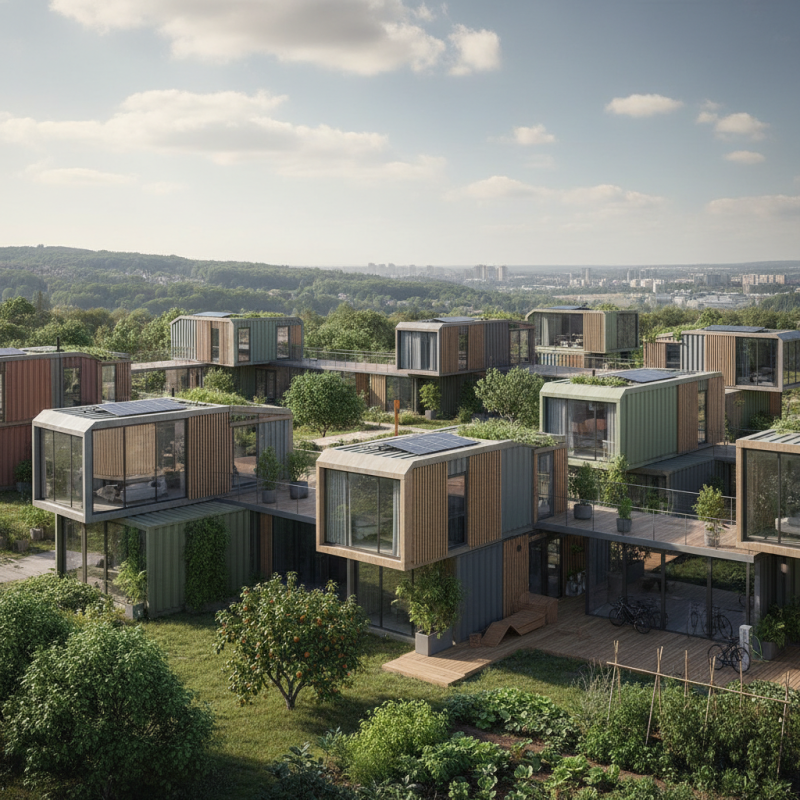
Emerging Designs in Prefab Container Homes for 2026
Emerging designs in prefab container homes for 2026 emphasize sustainability and innovative aesthetics. The global prefab housing market is projected to grow by 6.7% annually, as more people seek affordable housing solutions. Container homes provide a response to this demand while promoting eco-friendly living. They utilize recycled materials, minimizing the carbon footprint.
New trends in interior design showcase multifunctional spaces. Designers are focusing on maximizing usability within limited square footage. Open floor plans and collapsible furniture are becoming increasingly popular. This approach encourages a flexible lifestyle, adapting to the needs of modern homeowners.
However, challenges remain. Some prefab homes lack insulation, leading to temperature regulation issues. This can affect comfort and energy efficiency. Consumers must address these aspects during the design phase. As the trend evolves, construction practices must continue to improve, ensuring that innovation meets practicality.
Sustainable Materials and Eco-Friendly Innovations in Construction
The push for sustainable materials in construction is reshaping the prefab container house market. According to a recent industry report, eco-friendly construction practices can reduce carbon emissions by up to 40%. This statistic highlights the urgent need for green alternatives. Using recycled steel and reclaimed wood, builders are finding new ways to minimize environmental impact. These materials boast durability and offer aesthetic appeal.
Innovations like solar panels and energy-efficient insulation are becoming standard in container houses. A study shows homes equipped with solar energy can decrease utility costs by 90%. This shift shows that efficiency is key. However, challenges remain. Many eco-friendly materials are not always cost-effective. So, builders must balance sustainability and budget.
Prefab container homes can address housing shortages while emphasizing sustainability. Construction techniques are evolving to include innovative designs that prioritize energy efficiency. Yet, the adoption rate of these practices varies. Some builders resist change, fearing higher initial costs. Bridging this gap will be essential for the industry’s future.
Technological Advancements Enhancing Container Living Spaces
The rise of prefab container houses continues to shape modern living. Technological advancements are key in enhancing these modular spaces. Smart home systems are becoming increasingly popular. They offer convenience and energy efficiency. Homeowners can control lighting, heating, and security from their smartphones. This shift towards digital integration makes container homes more appealing.
Sustainable materials are also gaining traction. Recycled components are being used in the construction process. This approach minimizes waste and reduces environmental impact. Energy-efficient design is crucial. Many homes now feature solar panels and rainwater collection systems. These innovations help create self-sufficient living spaces.
However, challenges remain. The limited space in container homes can feel restrictive. Designing multi-functional areas is essential but difficult. Balancing aesthetics with practicality is not always easy. Homeowners often need to compromise on design elements. These evolving trends in container living continue to spark discussions about future developments.
Customization Trends for Personalized Container Homes
The rise of prefab container homes has sparked a significant trend in customization. Many homeowners are seeking personalized designs that reflect their individuality. According to a recent industry report, about 72% of new container home buyers prioritize unique layouts and features. This preference is driving innovative design choices in the market.
Customization options range from exterior finishes to interior layouts. Buyers often opt for eco-friendly materials and space-saving furniture. These choices not only enhance aesthetics but also improve functionality. Some prospective owners may overlook the importance of practical storage solutions, which can lead to clutter in small spaces.
The trend is also evolving with technology. Smart home features are becoming increasingly popular in container homes. However, integrating technology can be challenging. About 40% of designers report difficulties in fitting tech into compact spaces. This ongoing innovation journey reflects a balance between personalization and practicality. The quest for a perfect container home continues to inspire creativity and dialogue in the industry.
2026 Top Prefab Container House Trends and Innovations - Customization Trends for Personalized Container Homes
| Trend/Innovation | Description | Customization Options | Sustainability Aspect |
| Green Roofing | Integration of living roofs to enhance insulation and biodiversity. | Variety of plant species, drainage customization. | Reduces heat absorption, improves air quality. |
| Modular Designs | Configurable layouts to suit different needs. | Choice of room sizes, open floor plans. | Less waste in construction, more flexible use of space. |
| Smart Home Technology | Incorporation of IoT devices for home automation. | Personalized tech features, adaptive climate control. | Energy efficiency through smart monitoring. |
| Sustainable Materials | Use of eco-friendly, recycled materials in construction. | Options for bamboo, reclaimed wood, and eco-concrete. | Reduces carbon footprint and promotes recycling. |
| Energy-efficient Designs | Focus on passive solar designs and ventilation. | Custom window placement, shading options. | Minimizes reliance on heating and cooling systems. |
Smart Home Integrations in Prefab Container House Designs
As prefab container houses gain popularity, smart home integrations become essential. Energy management systems are now part of these homes. Homeowners can monitor energy usage in real-time. This feature promotes sustainability and reduces costs. Smart thermostats adjust based on occupancy, enhancing comfort. However, not all systems mesh seamlessly, leading to frustrations.
Security features are also evolving within these designs. Smart locks and cameras provide peace of mind. Yet, reliance on technology can create vulnerabilities. System failures or malfunctions might leave homes exposed. Homeowners need to invest time in understanding these systems.
Moreover, voice-activated assistants are becoming standard. They control lighting, climate, and entertainment. It sounds convenient but can be overwhelming. Not everyone finds it easy to adapt. Privacy concerns linger as many devices constantly listen. Balancing technology and personal space remains a challenge.
