2026 Top Tungsten Carbide Rod Manufacturers?
Choosing the right Tungsten Carbide Rod manufacturer in 2026 requires more than comparing prices or polished websites. Buyers need evidence of consistent material quality, reliable production, and practical industry experience. A trustworthy supplier should explain carbide grades, cobalt content, grain size, hardness, transverse rupture strength, and recommended applications clearly.
This guide examines leading manufacturers through measurable criteria. These include raw material control, powder preparation, sintering accuracy, rod straightness, surface finish, and quality inspection. Certifications can support credibility, but they should not replace direct verification. Production samples, inspection reports, batch records, and responsive technical support often reveal more about a supplier’s reliability.
Applications vary widely. A solid rod for precision milling may require different performance from one used in mining tools or wear-resistant components. Small details matter, including a polished surface, consistent diameter, and clean cutting edge. They affect tool life and machining stability. No ranking can suit every buyer. That limitation matters. Manufacturer claims may also change over time, so independent confirmation remains necessary.
The manufacturers discussed here are assessed from a professional and practical perspective, not from advertising language alone. Their capabilities, product range, engineering support, delivery performance, and quality systems all deserve attention. Some companies may appear strong but provide limited public data. Others may have less visibility yet demonstrate dependable factory performance. Readers should compare technical documents, request samples, and match each supplier with their specific operating conditions. A careful decision begins with evidence, not assumptions.
What Are Tungsten Carbide Rods and How Are They Used?
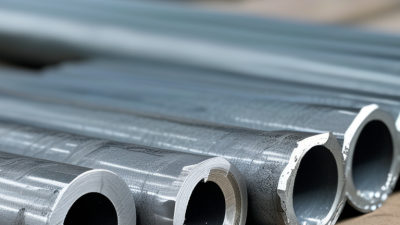
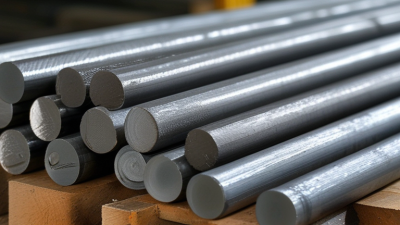
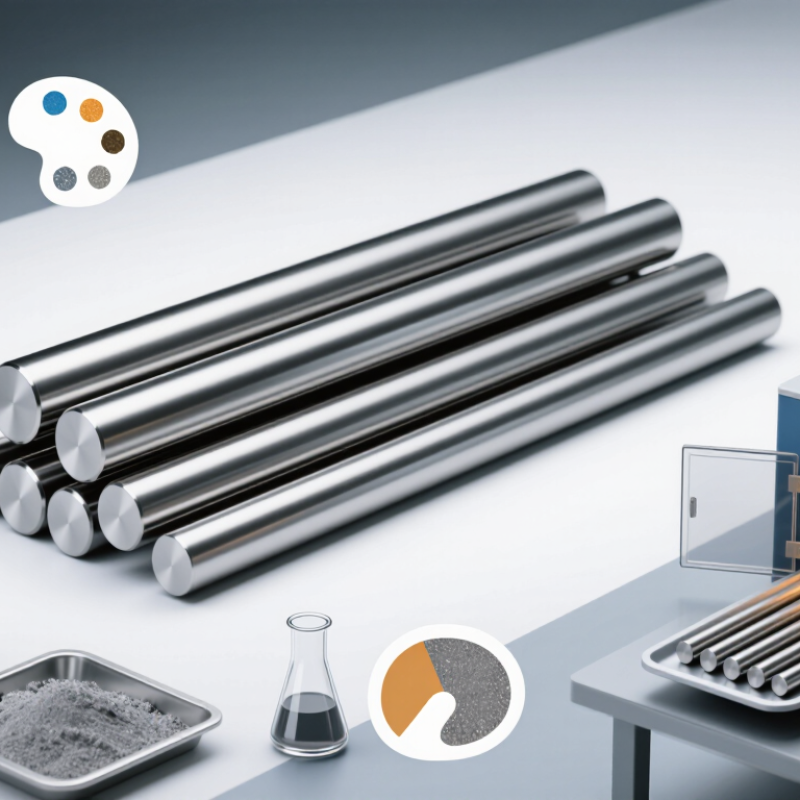
Tungsten carbide rods are hard, wear-resistant blanks made from tungsten carbide powder and a metallic binder. Their dense structure resists abrasion, heat, and repeated impact. Manufacturers press, sinter, and grind these rods to controlled diameters. Small differences matter.
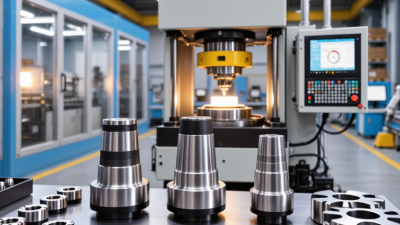
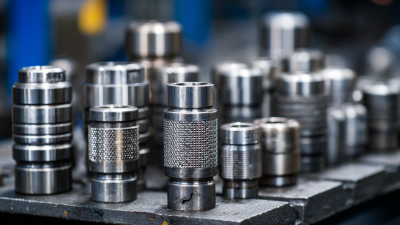
In practical tooling, solid rods become drills, end mills, reamers, and other cutting tools. A rod may look perfectly straight, yet hidden pores can cause cracking during grinding. Reliable production therefore requires powder control, uniform sintering, ultrasonic inspection, and careful surface measurement. I have found that a smooth surface alone does not prove dependable quality.
Rod grades must match the job.
Fine-grain material can support sharp cutting edges and stable machining. Coarser grades may tolerate heavier shocks, but they can sacrifice edge precision. Coolant channels also improve heat removal in deep drilling applications. Length, diameter tolerance, cobalt content, and hardness deserve close review. There is no universal best rod. That assumption often creates unnecessary failures. A capable manufacturer should provide traceable inspection data, clear grade information, and practical guidance for grinding and tool design. Real performance depends on the complete process, not hardness alone.
Which Properties Define High-Quality Tungsten Carbide Rods?
When comparing top tungsten carbide rod manufacturers in 2026, buyers should examine material properties before production claims. High-quality rods begin with consistent tungsten carbide grain size and a carefully controlled binder content. Fine grains usually improve hardness and edge retention. Coarser grains can provide better toughness under impact. The correct balance depends on the cutting application.
Density is a practical inspection point. Unusual density may indicate uneven composition or internal porosity. Hardness matters, but it should not stand alone. A high hardness number can still hide brittleness. Transverse rupture strength shows how well a rod resists bending during drilling or milling. In demanding workshops, I also check straightness, diameter tolerance, and surface finish. Small dimensional errors can create vibration, premature wear, or poor tool balance.
Look for rods with uniform color, clean grinding marks, and no visible cracks. Coercivity and magnetic saturation values can help verify binder consistency. Test certificates should identify the grade, batch, measured properties, and inspection method. Traceability matters.
No grade is perfect.
A polished surface does not guarantee a reliable core. Manufacturers should also explain heat treatment, grinding controls, and quality sampling. I would request sample testing before approving a large order. That extra step may seem slow, yet it often reveals differences between impressive specifications and actual cutting performance.
How to Evaluate Tungsten Carbide Rod Manufacturers in 2026
How to Evaluate Tungsten Carbide Rod Manufacturers in 2026
“Top” should mean measurable performance, not attractive marketing.
The U.S. Geological Survey estimated 2024 global tungsten mine production at about 81,000 metric tons. China accounted for roughly 67,000 tons, showing strong supply concentration (USGS, Mineral Commodity Summaries 2025). Buyers should therefore check ore sourcing, powder traceability, and supply continuity before comparing prices.
Ask each manufacturer for recent certificates of analysis. Review tungsten carbide grain size, cobalt content, density, transverse rupture strength, hardness, and porosity. These figures must match the intended cutting speed and workpiece material. For example, a fine-grain rod may improve edge strength, while a coarser grade can offer better fracture resistance. The International Tungsten Industry Association also highlights recycling as an important secondary supply source. Ask whether production scrap is segregated and documented.
Inspect the manufacturing process in person when possible. Check powder mixing, pressing, sintering records, grinding tolerances, and batch identification. A polished website proves little. Sample testing matters more. Request several lots, not one perfect sample. Compare diameter variation under a micrometer and inspect the surface under magnification. One weakness remains easy to miss: laboratory results may not predict performance in your exact machine. Field trials, tool-life records, and honest discussion of rejected batches provide stronger evidence. No checklist is perfect. That is precisely why independent testing remains valuable.
Who Are the Leading Tungsten Carbide Rod Manufacturers in 2026?
In 2026, leading tungsten carbide rod manufacturers are defined by process control, not attractive advertising. The strongest producers manage powder preparation, pressing, sintering, and precision grinding in one controlled system. They also provide clear grades, dimensional tolerances, and inspection records. This matters because a rod used for drilling may require different carbide properties than one used for milling.
Experienced buyers should examine cobalt content, grain size, hardness, transverse rupture strength, and straightness. Reliable manufacturers explain how these values affect cutting performance. They should also identify whether rods are solid, coolant-fed, or designed for specialized tool production. Factory audits can reveal practical details, such as clean powder rooms, calibrated measuring equipment, and stable sintering temperatures. A glossy catalog cannot replace these observations.
Tips:
Request sample rods before placing a large order. Measure diameter, length, surface finish, and runout independently. Ask for batch traceability and recent inspection data. Do not select a supplier only because its price is lower. In my experience, low prices sometimes hide inconsistent grinding or unstable material quality. Still, even a respected manufacturer can miss a requirement, so drawings and acceptance standards should be reviewed carefully. A second technical opinion is often worthwhile.
What Factors Should Buyers Consider Before Choosing a Manufacturer?
When comparing tungsten carbide rod manufacturers in 2026, buyers should examine process evidence, not polished claims. Start with grade selection. A rod for drilling differs from one used in precision cutting. Ask about tungsten carbide powder, binder content, grain size, and porosity control. These details affect hardness, toughness, wear resistance, and edge stability. Request batch records and independent test reports. A confident answer matters.
During factory evaluations, I look for stable pressing, sintering, grinding, and inspection procedures. Small diameter errors can cause vibration, poor brazing, or premature failure. Check straightness, surface finish, runout, and length tolerance against your actual drawings. Do not judge quality from one attractive sample. Ask for results from several production lots. Consistency is harder to fake. Also review traceability, packaging, storage, and replacement policies. The cheapest quote may create expensive downtime.
Reliable manufacturers share realistic lead times and explain capacity limits. They should answer technical questions without hiding behind generic certificates. Confirm whether testing uses calibrated equipment and documented methods. Communication is a quality factor. Still, buyers can over-specify the rod and waste money. I have seen teams demand extreme hardness when fracture resistance mattered more. That mistake starts with an unclear application brief. Send cutting speed, workpiece material, coolant conditions, and failure history before requesting quotations. A useful trial should measure service life, not just appearance.
2026 Top Tungsten Carbide Rod Manufacturers: Key Buyer Evaluation Factors
This practical scorecard highlights the factors buyers should prioritize when evaluating tungsten carbide rod manufacturers. The weighting is an illustrative procurement framework rather than a ranking of any company or brand.
Quality consistency and grade suitability have the greatest influence on tool life and machining performance. Dimensional tolerance, traceability, delivery reliability, and total cost should also be verified before placing an order.