Top 10 Benefits of Tungsten Carbide Alloy for Buyers
Tungsten Carbide Alloy has gained significant traction in various industries. Its exceptional properties make it a preferred choice for many buyers. This material is known for its incredible hardness and wear resistance. This can significantly enhance the lifespan of tools and components.
Buyers appreciate the unique traits of Tungsten Carbide Alloy. It provides excellent durability compared to traditional materials. The cost-effectiveness is another reason why many choose it. With proper understanding, users can leverage its benefits effectively.
However, not everyone is aware of its full potential. Some may overlook important factors during the selection process. Addressing these gaps can lead to better decisions. The diverse applications of Tungsten Carbide Alloy can meet various industry needs. Understanding its benefits is essential for maximizing value.
Understanding Tungsten Carbide Alloy: Definition and Composition
Tungsten carbide alloy is a highly durable material widely used in industrial applications. It is composed of tungsten and carbon atoms. This combination creates a compound that is incredibly hard, often compared to diamond. Due to its unique composition, tungsten carbide boasts remarkable resistance to wear and deformation.
The alloy's properties make it ideal for tools and machinery that require high performance. It can withstand extreme temperatures and pressures. This durability helps reduce the need for frequent replacements, potentially lowering long-term costs. However, it's essential to consider that while tungsten carbide performs excellently, it can be more brittle than other materials.
Understanding these characteristics is crucial for making informed purchasing decisions. Buyers should balance durability with potential fragility. It's wise to assess specific needs before choosing tungsten carbide for your projects. The composition also opens avenues for innovation, pushing the limits of what materials can achieve in various fields.
Enhanced Durability: Why Tungsten Carbide Alloy Outperforms Other Materials
Tungsten carbide alloy is renowned for its exceptional durability. This material exhibits properties that make it superior to others in numerous applications. It is incredibly hard, rating 9 on the Mohs scale. This hardness means it resists scratches and wear, making it ideal for tools and machinery components.
In various industries, tungsten carbide withstands extreme conditions. Its resistance to high temperatures and corrosion prevents premature failure. This is crucial in construction and manufacturing, where downtime can be costly. Many users have shared experiences of longer-lasting tools when using tungsten carbide versus traditional materials.
While it is vital to appreciate its strengths, the cost can be a consideration for some buyers. The high initial investment might deter budget-conscious consumers. However, understanding that lower maintenance needs lead to long-term savings can shift this perspective. Durable materials like tungsten carbide can eliminate frequent replacements. This reflects how investing in quality can yield better outcomes over time.
Cost-Effectiveness: Long-Term Savings with Tungsten Carbide Alloy Products
Tungsten carbide alloy offers significant cost-effectiveness for buyers. This material is known for its durability and resistance to wear. According to industry reports, using tungsten carbide tools can reduce replacement costs by up to 50%. This longevity translates into long-term savings, making it a smart investment.
When selecting tungsten carbide products, consider the initial costs versus their lifespan. For instance, a tungsten carbide tool may cost more upfront than a standard steel tool. However, its ability to last longer can result in lower overall expenses. Data from a recent study indicates that businesses using tungsten carbide reported a 30% decrease in tool-related downtime. This can lead to increased productivity and reduced labor costs.
Tip: Look for suppliers that provide performance guarantees. Such guarantees can further enhance your confidence in the product's longevity.
While tungsten carbide is an excellent choice, buyers should reflect on their specific needs. Not all applications require the strength of tungsten carbide. Evaluate your workload and the conditions under which the tools will be used. This reflection helps ensure you make a well-informed decision that balances cost and performance effectively.
Top 10 Benefits of Tungsten Carbide Alloy for Buyers
This chart illustrates the cost-effectiveness of Tungsten Carbide Alloy products compared to traditional materials, showcasing the long-term savings potential for buyers throughout various applications.
Versatility in Applications: Industries Benefiting from Tungsten Carbide Alloy
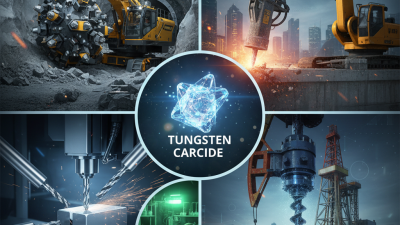
Tungsten carbide alloy is essential in various industries. Its unique properties make it ideal for demanding applications. From aerospace to mining, many sectors benefit significantly. The material’s hardness ensures durability. It withstands extreme conditions, suitable for heavy wear and tear.
In manufacturing, tungsten carbide is used for cutting tools. These tools maintain their sharpness longer than others. This translates into cost savings and increased efficiency. Additionally, in the oil and gas industry, its resistance to corrosion is crucial. It helps to optimize operations and reduce downtime.
**Tips:** When considering tungsten carbide, think about your specific application. Analyze the environment where the material will be used. Proper selection can enhance productivity. Remember, while tungsten carbide is powerful, it may be heavier than alternatives. Balance weight and strength according to your needs. Always seek professional advice before making a decision.
Eco-Friendly Aspects: Sustainability and Tungsten Carbide Alloy Usage
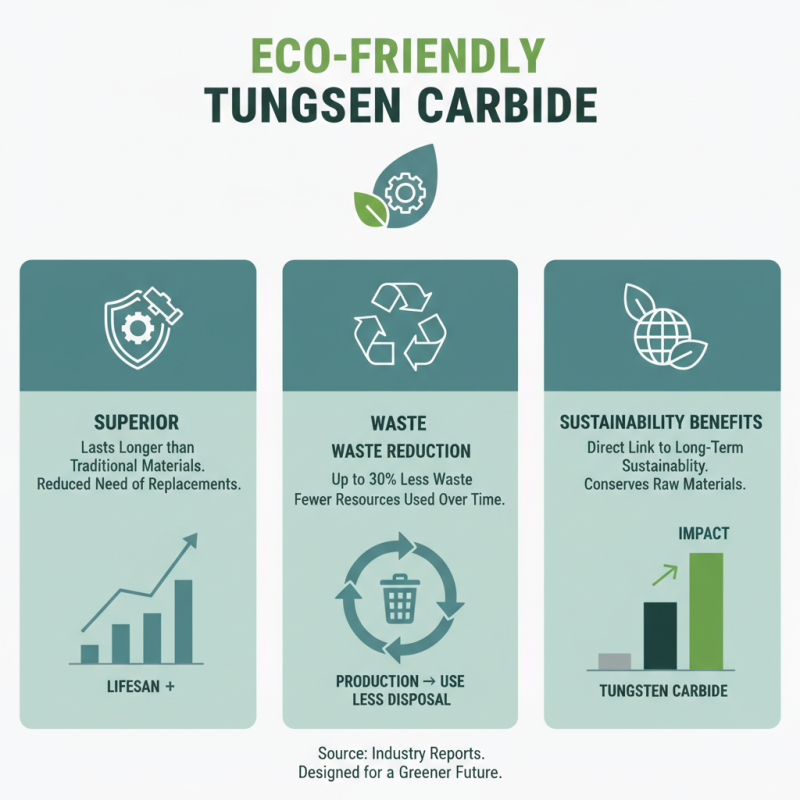
Tungsten carbide alloy is increasingly recognized for its eco-friendly aspects. Its durability means it lasts longer than traditional materials. This leads to less waste and fewer resources used over time. According to industry reports, tungsten carbide can reduce waste by up to 30% in various applications. Durability translates directly into sustainability.
Moreover, tungsten is abundant in nature compared to other metals. This influences not just cost but also environmental impact. Studies show that responsible mining practices are in place for tungsten resources. It often supports local economies, providing jobs with minimal ecological disturbance. The renewable nature of tungsten carbide applications also stands out. Tools made from this alloy can be recycled and repurposed effectively, promoting a circular economy in manufacturing.
However, there are still challenges. The mining process can sometimes harm local ecosystems if not managed properly. The need for stricter regulations in some regions is evident. While tungsten carbide alloy has many benefits, acknowledging these issues is necessary for a truly sustainable future. We must balance industrial growth with environmental stewardship.