Top 10 Benefits of Tungsten Carbide Alloy for Global Buyers?
Tungsten Carbide Alloy has gained prominence in various industries, thanks to its unique properties. Known for extreme hardness and resistance to wear, it is a preferred choice for many applications. Buyers from around the globe seek this alloy for its durability and efficiency, contributing to long-term cost savings.
Its applications range from cutting tools to industrial machinery, highlighting its versatility. Tungsten Carbide Alloy's ability to withstand high temperatures further enhances its appeal in demanding environments. This material not only improves productivity, but it also reduces maintenance costs significantly.
Although its benefits are clear, some challenges remain. Sourcing high-quality Tungsten Carbide Alloy can sometimes be complex. Buyers must ensure they work with reliable suppliers. Understanding the specifics of this material can lead to better purchasing decisions. Exploring the top ten benefits can guide global buyers in making informed choices.
Understanding Tungsten Carbide Alloy: Definition and Composition
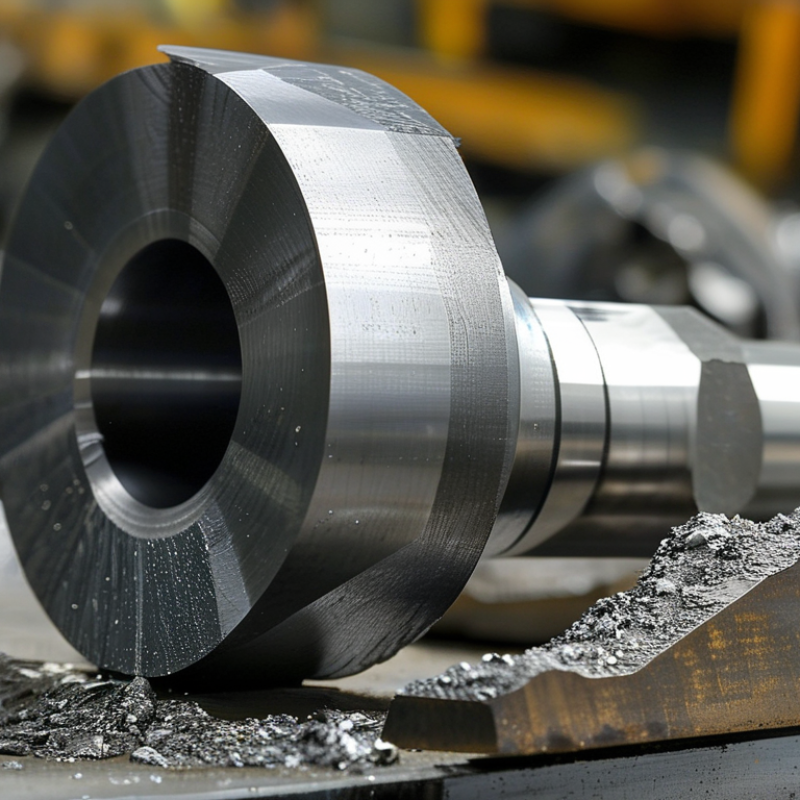
Tungsten carbide alloy is a unique material known for its hardness and durability. It’s formed by combining tungsten and carbon in a specific ratio. This mixture creates a compound that is not only tougher than steel but also resistant to wear and corrosion. The typical composition contains about 70% tungsten and 30% carbon, providing excellent stability and longevity.
When considering tungsten carbide, it’s essential to understand its applications. This alloy is used in cutting tools, mining machinery, and wear-resistant parts. Its hardness allows it to maintain a sharp edge longer than many alternatives. However, users should be mindful of its brittleness. Although it resists wear, it can crack under impact. Always weigh its advantages against potential fragility in critical applications.
Tips: If you're exploring tungsten carbide for your projects, test it in small batches first. This approach helps gauge its performance in your specific environment. Moreover, consider regular maintenance to prolong its life. Proper handling reduces the likelihood of chipping or cracking. Understanding both strengths and weaknesses is crucial for optimal use.
Key Advantages of Tungsten Carbide Alloy in Industrial Applications
Tungsten carbide alloy is known for its remarkable hardness and durability. These attributes make it a favorite in various industrial applications. Its resistance to wear and tear is impressive. This material can withstand harsh environments, making it suitable for tools and machinery. For sectors like mining and construction, tungsten carbide can significantly reduce downtime. Less frequent replacements save both time and resources.
Another key advantage is its ability to maintain performance at high temperatures. This characteristic is crucial in applications that involve heavy duty operations. Its stability ensures that tools perform consistently under stress. Furthermore, tungsten carbide is often used in cutting, drilling, and grinding. These processes benefit from its sharpness and longevity.
Yet, sourcing tungsten carbide responsibly remains a challenge. There are environmental concerns around extraction. Thus, buyers must seek transparent suppliers committed to sustainable practices.
Economic Benefits of Using Tungsten Carbide Alloy for Global Buyers
Tungsten carbide alloy offers significant economic advantages for global buyers. Its durability reduces the need for frequent replacements, leading to lower long-term costs. According to industry data, the lifespan of tungsten carbide parts can be up to five times longer than traditional materials. This longevity directly translates to enhanced productivity.
The initial investment in tungsten carbide can be higher, but this cost is mitigated over time. Maintenance requirements are minimal, which saves on operational expenses. A recent report highlights that companies using tungsten carbide tools experienced a 30% reduction in production downtime. This efficiency can be crucial in a competitive market.
Moreover, tungsten carbide's resistance to wear and tear makes it ideal for demanding applications. Industries like mining and machining particularly benefit from these properties. Even if the upfront costs seem daunting, the overall return on investment often compensates for it. Understanding these factors is essential for buyers looking to make informed decisions.
Durability and Longevity: How Tungsten Carbide Alloy Stands Out
Tungsten carbide alloy is known for its exceptional durability and longevity. This material is often used in industries like mining, construction, and manufacturing. According to industry reports, tungsten carbide is nearly four times harder than steel. This hardness contributes to its resistance to wear and tear, making it ideal for heavy-duty applications.
In addition to its hardness, tungsten carbide has a high melting point. It can withstand extreme temperatures without losing integrity. Research indicates that the lifespan of tungsten carbide tools can outlast traditional materials by up to ten times in certain environments. This durability ultimately leads to reduced maintenance costs and extended service periods. However, the high cost of tungsten carbide can be a barrier for some buyers.
Moreover, while tungsten carbide's benefits are clear, it is essential to consider its limitations. The brittleness of tungsten carbide can lead to chipping or cracking under certain stresses. This characteristic requires careful handling during use. Users should weigh these factors when deciding on their applications. Balancing the cost and potential risks can lead to informed, effective purchasing decisions.
Environmental Considerations and Sustainability of Tungsten Carbide Alloy
Tungsten carbide alloy is widely recognized for its durability and resistance to wear. However, its environmental considerations are essential for modern sustainability practices. The mining and production processes of tungsten can lead to significant ecological impacts. Addressing these impacts requires more than just efficient manufacturing. It involves commitment to responsible sourcing and recycling.
Many manufacturers are exploring sustainable practices, such as using recycled materials. This can reduce the overall carbon footprint significantly. After all, less resource extraction means less environmental degradation. However, the industry still faces challenges in fully adopting these practices. Costs and technological limitations can hinder progress toward greener solutions.
In the end, while tungsten carbide alloy presents numerous benefits, its role in sustainability merits attention. Continuous research and development can promote more environmentally friendly practices. The goal should be a balance between performance and ecological responsibility. As global buyers, it’s crucial to seek partners who prioritize sustainable practices without compromising quality.