2026 Best Silver Tungsten Alloy for Global Buyers Overview?
As global industries continue to evolve, the demand for advanced materials like Silver Tungsten Alloy has surged. According to Dr. Emily Carter, a leading expert in the field, "Silver Tungsten Alloy is essential for applications requiring excellent thermal and electrical conductivity." This innovative material excels in high-temperature environments, making it a top choice for sectors like aerospace and electronics.
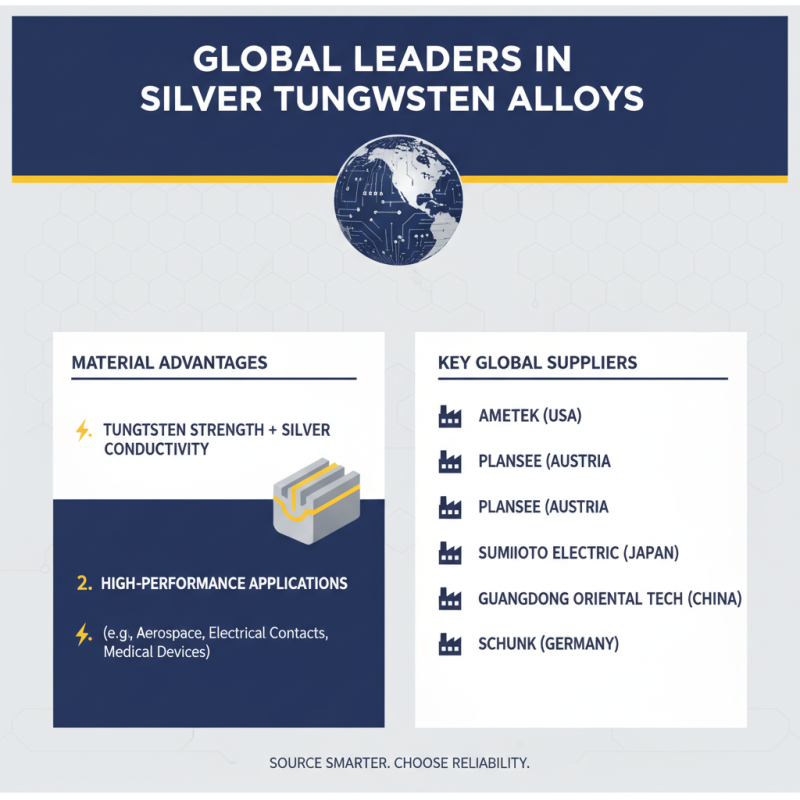
Today, global buyers face challenges in selecting the best Silver Tungsten Alloy tailored to their specific needs. Factors such as composition, manufacturing processes, and supplier reliability must be considered. Trust is key, especially when entering collaborations that involve high-stakes materials.
Dr. Carter emphasizes the importance of evaluating suppliers meticulously. "Not all Silver Tungsten Alloys are created equal," she notes. This highlights a critical point: some products may not meet industry standards or specific performance criteria. Buyers must be diligent and informed to make the right choices in this complex market. Understanding these elements will pave the way for successful procurement strategies.

Overview of Silver Tungsten Alloy Varieties Available in 2026
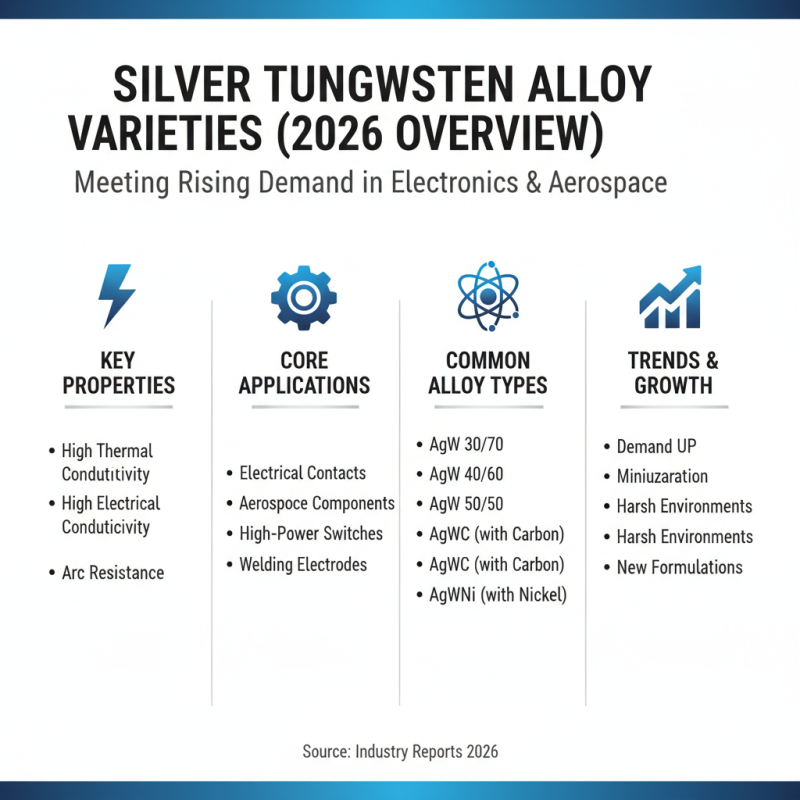
In 2026, the demand for silver tungsten alloy continues to rise. This material is well-known for its excellent thermal and electrical conductivity. Various alloys are available, tailored for specific applications. It is essential for industries such as electronics and aerospace.
Research indicates that silver tungsten alloys consist of 10% to 30% silver. The silver content enhances electrical performance. Reports suggest that these materials offer superior wear resistance. This characteristic is crucial for components in contact with corrosive environments. However, manufacturers sometimes face challenges sourcing high-quality raw materials.
An analysis from industry experts highlights that the global market for silver tungsten alloys is projected to grow at a CAGR of 5.2% from 2023 to 2028. This growth is driven by advancements in manufacturing technologies and an increasing focus on sustainability. However, concerns arise about the recycling processes of these alloys. Ensuring a closed-loop system is a significant challenge. Insights from recent findings indicate that addressing these issues could improve long-term viability. Engaging in research and development will pave the way for innovation in this sector.
Key Applications of Silver Tungsten Alloys in Various Industries
Silver tungsten alloys are gaining traction across diverse industries due to their unique properties. These alloys boast high thermal and electrical conductivity combined with exceptional hardness. As a result, they are utilized in demanding applications that require superior performance. For instance, the electrical contacts in arc-welding equipment heavily rely on silver tungsten for its reliability and durability in high-heat environments.
In the aerospace sector, silver tungsten alloys are crucial for manufacturing components in critical systems. Their ability to withstand extreme conditions makes them suitable for use in turbine engines and electrical connectors. A recent industry report indicates that the demand for silver tungsten alloys in aerospace applications is expected to grow by over 5% annually through 2026. However, sourcing quality materials remains a challenge, with fluctuations in raw material prices impacting production costs.
Moreover, the automotive industry increasingly uses silver tungsten alloys for switches and relays. These components require high performance and longevity, making silver tungsten a popular choice. Yet, there are concerns regarding environmental sustainability and the recycling of these materials. As industries seek greener alternatives, the path forward may not be straightforward, requiring innovation and adherence to environmental standards.
Evaluation Criteria for Choosing the Best Silver Tungsten Alloys
When evaluating the best silver tungsten alloys, several key criteria emerge. First, the alloy's density is crucial. Silver tungsten alloys typically have a density ranging from 16.5 g/cm³ to 19 g/cm³. This high density contributes to their effectiveness in applications such as electrical contacts and aerospace components. However, some users may overlook the impacts of density on machining and handling. A denser alloy can lead to increased wear on tools and greater energy requirements during manufacturing.
Next, thermal and electrical conductivity are vital factors. Silver tungsten alloys are renowned for their excellent conductivity, often measuring around 50% that of pure silver. This makes them ideal for high-performance electrical applications. Yet, users must also consider that while conductivity is important, it may not always indicate optimal performance in every setting. High conductive properties can sometimes lead to overheating if not managed properly.
Lastly, surface finish and mechanical properties matter significantly. The alloy's hardness affects its durability and resistance to deformation. Reports indicate that hardness values can vary, with some alloys reaching up to 80 HRA. However, achieving the ideal balance between hardness and machinability can often be problematic. Users should weigh these characteristics carefully against their specific operational needs, keeping in mind that what works best in one scenario may falter in another.
Global Market Trends and Demand for Silver Tungsten Alloys in 2026
As the global market for silver tungsten alloys evolves, understanding current trends is critical. By 2026, demand for these materials is expected to grow significantly. Industries like electronics, aerospace, and medical devices are major consumers of silver tungsten alloys. Their unique properties, including high thermal and electrical conductivity, make them ideal for various applications.
Tips: Consider collaborating with industry experts to keep up with technological advancements. Regularly assess market needs to ensure your offerings meet current demands.
Price fluctuations can impact the market landscape. Factors such as raw material costs and geopolitical issues may influence supply chains. In addition, emerging economies are showing increased interest in silver tungsten alloys, contributing to a diverse customer base. Staying informed about these trends can help businesses adapt strategies.
Tips: Monitor economic indicators that affect material prices. Engaging in market research can provide valuable insights into changing consumer preferences.
2026 Global Market Trends and Demand for Silver Tungsten Alloys