What is Cemented Carbide Inserts and How are They Used?
Cemented Carbide Inserts play a vital role in modern machining. These tools are made from a composite of carbide and metal bonding agents. They offer exceptional hardness and wear resistance. As industries seek efficiency, these inserts have become essential for precision work.
In various applications, Cemented Carbide Inserts are used in turning, milling, and drilling operations. They excel in cutting tough materials, helping to improve productivity. Their ability to withstand high cutting pressures and temperatures is remarkable. This makes them suitable for both heavy-duty and intricate tasks.
However, choosing the right type of insert can be challenging. Factors like tool geometry and coating must be considered. Not all Cemented Carbide Inserts suit every material or process. Users often face difficulties in optimizing their setups. Understanding these details is crucial for achieving the best results.
What are Cemented Carbide Inserts?
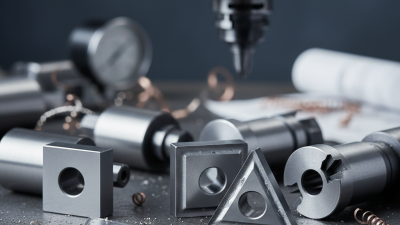
Cemented carbide inserts are cutting tools made from a combination of tungsten carbide and cobalt. This material boasts exceptional hardness and wear resistance, making it ideal for high-performance machining tasks. These inserts are typically used in lathes, mills, and drills. Their robust properties allow for more efficient cutting of metals and other tough materials, leading to shorter production times.
The process of making cemented carbide involves sintering fine carbide particles with a binder, usually cobalt. This creates a durable tool that not only withstands intense pressure but also maintains sharpness over longer periods. Additionally, the inserts can come in various shapes and sizes, tailored for specific applications. However, they can be more expensive compared to other materials, which may limit usage for some.
Despite their advantages, there are drawbacks to consider. The brittleness of cemented carbide can lead to chipping during heavy-duty operations. Users should be cautious regarding how they apply these inserts. Regularly assessing the condition of the tools ensures optimal performance. Implementing these practices can enhance the overall efficiency of machining processes.
Composition and Properties of Cemented Carbide
Cemented carbide inserts are vital in manufacturing. Their unique composition gives them remarkable hardness and wear resistance. Typically, they consist of tungsten carbide and cobalt. Tungsten carbide offers durability, while cobalt acts as a binding agent, enhancing toughness. This combination creates a material that can endure high cutting speeds and tough materials.
Understanding the properties of cemented carbide is crucial. These inserts can withstand high temperatures without losing hardness. They also provide better surface finishes in machining processes. However, they are brittle. Overloading them can lead to chipping or breakage. Proper handling and usage are essential to prevent damage during operations.
Tips: Always inspect inserts before use. Look for signs of wear or damage. Using the correct cutting parameters can prolong their lifespan. Regularly changing inserts at the first sign of wear can improve performance and accuracy. These small steps ensure optimal results in machining tasks and can save costs in the long run.
Applications of Cemented Carbide Inserts in Manufacturing
Cemented carbide inserts are vital in manufacturing processes. These inserts are made from tungsten carbide and cobalt, providing high durability. They are ideal for cutting, shaping, and finishing hard materials. Their hardness enables manufacturers to achieve precise dimensions in their products. This precision is crucial in industries like aerospace and automotive.
In the machining sector, cemented carbide inserts are used in tools for turning, milling, and drilling. When machining metals, these inserts resist wear and maintain their shape better than others. They can also withstand high temperatures, which is essential for efficient operations. However, there can be challenges, such as cracking under extreme stress. Manufacturers need to select the right type for each application.
Additionally, cemented carbide inserts are gaining popularity in additive manufacturing. They help refine the finishing processes of 3D printed parts. Despite their advantages, there is a learning curve in optimizing their use. Some manufacturers struggle with proper handling and setup. Understanding the specific requirements of each application can enhance their effectiveness. The ongoing research in this area reflects the industry's commitment to continuous improvement.
Applications of Cemented Carbide Inserts in Manufacturing
Advantages of Using Cemented Carbide Inserts
Cemented carbide inserts are essential tools in machining. Their unique properties make them advantageous for various applications. One key benefit is their hardness. They can withstand high wear rates. This durability ensures that they last longer than conventional cutting tools. Additionally, they maintain sharp edges, enhancing precision in cuts.
Another advantage is their resistance to heat. During machining, friction generates heat. Cemented carbide inserts perform well under these conditions. They reduce the risk of tool failure. This leads to a more reliable production process. Moreover, these inserts can be used for multiple materials, including steels and alloys. Their versatility makes them an ideal choice in many industries.
However, the manufacturing process is complex. Achieving the right composition takes expertise. It is crucial to address the balance between toughness and hardness. Any miscalculation can lead to suboptimal performance. Users must understand the specific requirements of their applications to select the right insert. This thoughtful consideration can lead to significant productivity gains in machining operations.
Maintenance and Care for Cemented Carbide Inserts
Cemented carbide inserts are essential tools in machining and manufacturing. However, maintaining them is crucial for their performance and longevity. Regular inspection is necessary. Check for wear, chipping, or any significant damage. If you notice abnormalities, it may be time for replacement.
Cleaning these inserts can enhance their lifespan. Use a soft brush to remove debris. Avoid harsh chemicals, as they can damage the material. Some operators overlook the importance of proper storage. Store inserts in a dry, organized manner. This protects them from corrosion and physical damage.
Another common mistake is using inserts for the wrong application. Each insert has a specific purpose. Misuse can lead to premature failure. Educating the workforce about these tools is vital. A well-informed team can maximize the inserts' effectiveness and operational efficiency. Regular training sessions can help prevent costly mistakes.
What is Cemented Carbide Inserts and How are They Used? - Maintenance and Care for Cemented Carbide Inserts
| Feature |
Description |
Maintenance Tips |
| Material Composition |
Cemented carbide is made from tungsten carbide particles and cobalt. |
Store in a dry place to prevent corrosion. |
| Applications |
Used in machining, drilling, and cutting tools. |
Regularly inspect cutting edges for wear. |
| Durability |
Highly resistant to wear and heat. |
Use appropriate coolant to extend life. |
| Common Grades |
Grades vary based on hardness and toughness. |
Choose the right grade for the material being cut. |
| Replacement Indicators |
Visible wear, chipping, or breakage of the insert. |
Replace inserts promptly to maintain quality of work. |