Why You Should Choose Ball Rotary Burrs for Precision Metalworking
In the realm of precision metalworking, the choice of tools directly influences the quality of the final product. One of the most versatile and effective tools in this field is the Ball Rotary Burr. According to a recent report by the Metalworking Industry Association, the global market for rotary burrs is expected to reach a value of $1.2 billion by 2025, driven largely by advancements in manufacturing technologies and a growing demand for precision components across various sectors, including automotive and aerospace.
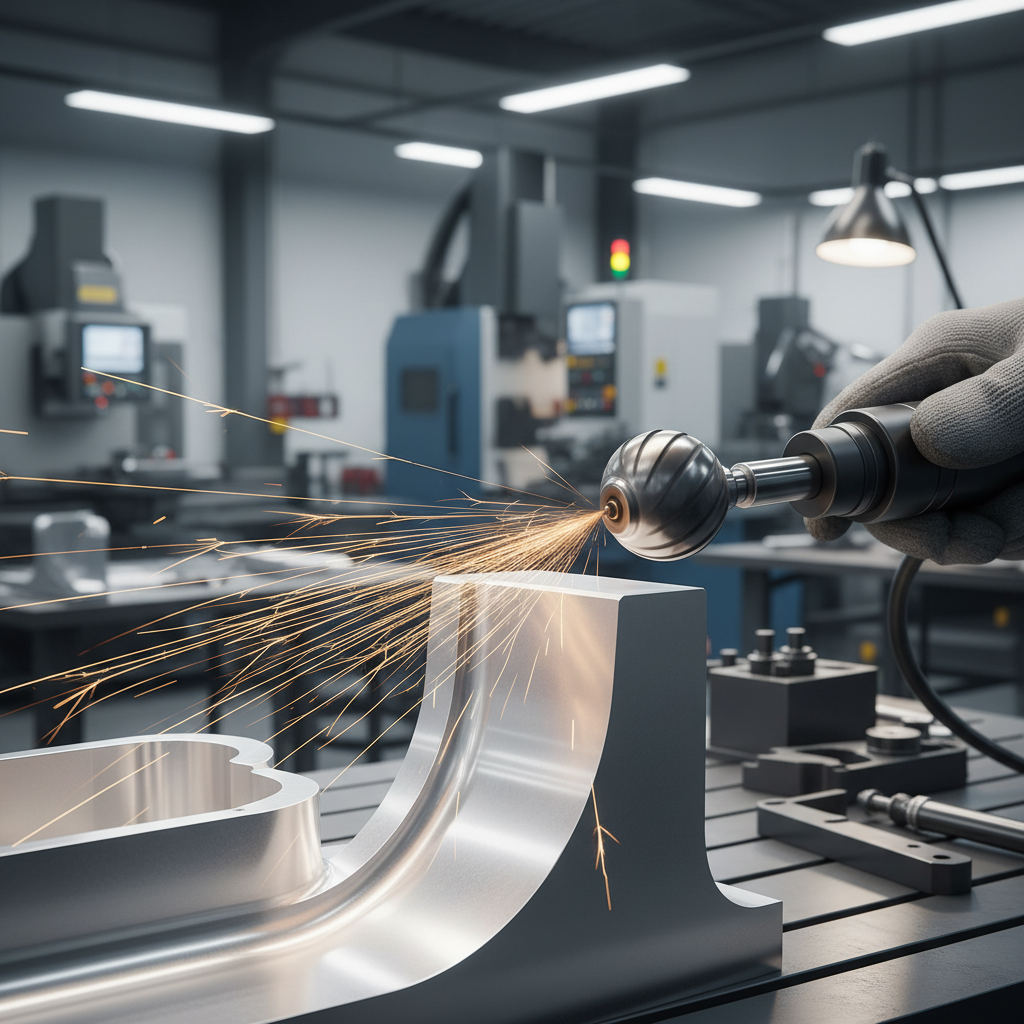
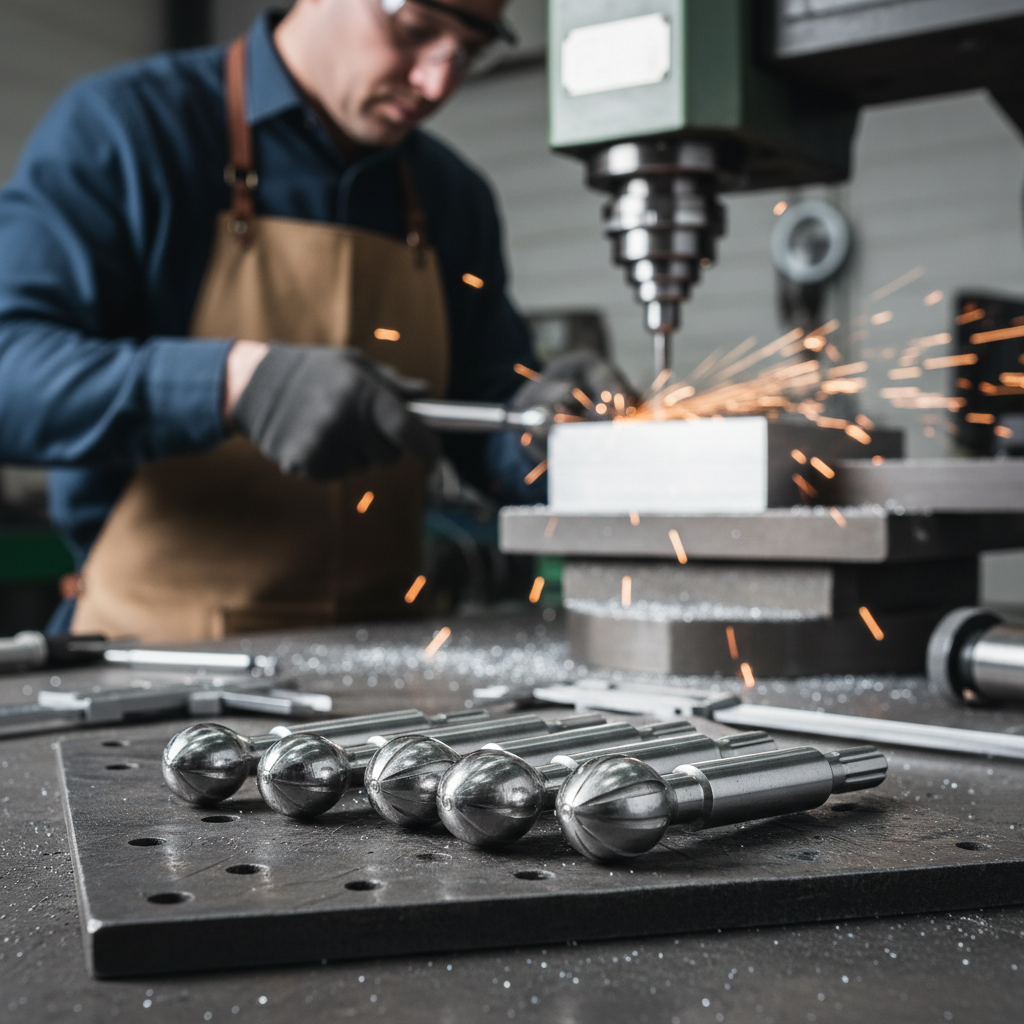
Ball Rotary Burrs stand out due to their unique shape, which allows for intricate detailing and efficient material removal in metalworking applications. A study published in the Journal of Precision Engineering highlights that using Ball Rotary Burrs can enhance productivity by up to 50% compared to traditional hand tools. This significant improvement not only ensures higher operational efficiency but also minimizes the risk of operator fatigue, thus promoting a safer working environment.
As industries continue to evolve and demand higher standards for precision and reliability, investing in quality tools like Ball Rotary Burrs becomes imperative. Their ability to achieve fine finishes, combined with their efficiency in various materials, positions them as essential tools for any serious metalworker aiming for excellence in craftsmanship.
Benefits of Using Ball Rotary Burrs for Precision Metalworking
Ball rotary burrs are essential tools in precision metalworking, providing numerous benefits that enhance both efficiency and output quality. One of the primary advantages is their ability to achieve intricate and detailed work on various materials, including steel, aluminum, and composites. According to a report by Grand View Research, the global metalworking tools market is expected to reach USD 88.57 billion by 2025, underscoring the increasing reliance on high-quality tools like ball rotary burrs for precision tasks.
Moreover, ball rotary burrs facilitate superior control over material removal, which is crucial for achieving fine tolerances in metal fabrication. The American National Standards Institute (ANSI) highlights that precision in metalworking is critical, with tolerances often being as tight as ±0.01 mm in aerospace applications. By utilizing ball rotary burrs, machinists can significantly reduce the risk of over-cutting or under-cutting materials, thereby ensuring that finished products meet stringent specifications. The ergonomic design of these burrs also contributes to reduced operator fatigue, thus enhancing productivity on the shop floor and leading to cost efficiencies over time.
Key Features of 2025's Top Ball Rotary Burrs
When it comes to precision metalworking, the choice of tools can significantly impact the quality of the final product. The top ball rotary burrs of 2025 have been designed with innovative features that enhance both efficiency and accuracy in metal shaping and cutting tasks. One notable feature is their advanced carbide material, which allows for superior durability and longer tool life, reducing the frequency of replacements. This not only saves time but also cuts down on operating costs, making them an excellent choice for professionals in the industry.
Another key feature of the latest ball rotary burrs is their specialized cutting geometries. These designs promote smoother cuts and minimize the risk of material deformation, enabling users to achieve precise contours and finishes. Additionally, many of these burrs come with enhanced coatings that reduce friction and heat buildup, contributing to safer and more effective operation. The ergonomic design of the shanks ensures compatibility with a wide range of rotary tools, adding to their versatility and making them suitable for various applications, from automotive repairs to intricate artistic metalwork.
Comparison of Ball Rotary Burrs with Other Cutting Tools
When it comes to precision metalworking, selecting the right cutting tool can make all the difference in achieving the desired finish and accuracy. Ball rotary burrs stand out among other cutting tools due to their unique design and functionality. Unlike traditional flat-end mills or end mills, which primarily cut along their edges, ball rotary burrs feature a rounded end that provides a smooth, contoured finish on complex surfaces. This makes them ideal for tasks requiring detailed shaping or finishing, allowing for precision work that flat tools may struggle to achieve.
When comparing ball rotary burrs with other burrs, such as flame or cylinder-shaped burrs, it becomes evident that each tool serves a different purpose. While flame burrs are excellent for detailing and light finishing work, they may not offer the same versatility as ball rotary burrs, which excel at both cutting and contouring. Cylinder-shaped burrs, on the other hand, tend to remove material more quickly but can leave a rougher finish. The ability of ball rotary burrs to navigate intricate designs while providing a polished surface makes them a superior choice for artisans and manufacturers aiming for both efficiency and precision in their metalworking projects.
Tips for Selecting the Best Ball Rotary Burr for Your Project
When selecting the best ball rotary burr for your precision metalworking projects, it's essential to consider the specific needs of your application. First, evaluate the material you will be working with; different burrs are designed for various materials, such as steel, aluminum, or softer metals. A burr with the appropriate cutting edge can enhance efficiency, whereas an incompatible choice can lead to premature wear and subpar results.
Furthermore, pay attention to the size and shape of the burr. Ball rotary burrs come in various diameters and lengths, which affect the reach and precision of your cuts. A larger burr may cover more surface area quickly, while a smaller one allows for detailed work in tight spaces. Additionally, check the shank size to ensure compatibility with your rotary tool. Finally, assess the burr’s design and coating; carbide burrs tend to offer superior durability and cutting performance compared to steel ones, making them a better long-term investment for demanding precision tasks.
Why You Should Choose Ball Rotary Burrs for Precision Metalworking
This chart displays the effectiveness of different types of ball rotary burrs for various metalworking applications, showcasing their average material removal rate in mm³/min.
Innovative Applications of Ball Rotary Burrs in Various Industries
Ball rotary burrs have emerged as a vital tool in various industries, particularly in the oil and gas sector, where precision metalworking is paramount.
Innovative applications of these burrs enable intricate shaping and finishing processes that enhance the performance of drilling equipment. As the global oil and gas drill bit market is projected to grow from $4.52 billion in 2025 to $7.05 billion by 2032, with a compound annual growth rate (CAGR) of 6.55%, the demand for efficient and precise tools like ball rotary burrs will continue to rise.
In addition to traditional applications, intelligent drilling technologies, empowered by artificial intelligence, are transforming the landscape of resource extraction. These technologies require components that can withstand high precision and resilience, areas where ball rotary burrs excel. As the industry shifts towards more automated and intelligent systems, the role of these burrs will likely expand, underpinning the innovations necessary for achieving remarkable drilling records, such as the recent breakthroughs in deep drilling technology.
The combination of accurate engineering and advanced material science in the use of ball rotary burrs is crucial for meeting the intricate demands of modern engineering challenges across various sectors.