How to Choose the Best Lathe Insert for Your Machining Needs?
Choosing the right lathe insert is crucial for optimizing machining processes. Industry expert Dr. John Smith emphasizes, "Correctly selecting a lathe insert can significantly enhance productivity." According to the latest report by the Machining Association, approximately 40% of machining failures stem from insert misuse. This statistic underscores the importance of informed decision-making.
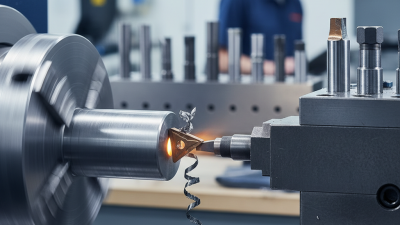
Lathe inserts come in various materials and geometries. High-speed steel, carbide, and ceramic inserts each serve specific purposes in machining. For instance, carbide inserts are known for their durability in high-speed applications. Inconsistent performance can occur when the wrong insert is chosen. The cost implications can escalate quickly with decreased efficiency and increased tool wear.
Navigating the complexities of lathe inserts requires a keen understanding of both the materials and the operations involved. Many machinists overlook insert geometry's role in chip formation and surface finish. A poorly selected insert can lead to increased downtime and subpar results. Continuous education and expert guidance remain essential in making the right choice in this evolving field.

Understanding Lathe Inserts: Types and Applications
Lathe inserts are crucial in machining, affecting performance and productivity. Understanding the types of lathe inserts is key to selecting the right one for your applications. There are mainly two types: coated and uncoated inserts. Coated inserts often provide better wear resistance and can withstand higher temperatures. A report from the International Journal of Advanced Manufacturing Technology states that using coated inserts can increase tool life by up to 60%. This is significant for industries focused on efficiency.
Another important factor is the insert geometry. Shapes like diamond or square can influence cutting efficiency and surface finish. Each geometry has specific performance characteristics. For example, a study by the Metal Removal Magazine highlights that square inserts offer better stability during heavy machining operations. However, they may not perform as well in softer materials compared to specialized geometries.
Choosing the right insert also involves considering the material being machined. For instance, inserts for steel and aluminum differ greatly due to their distinct cutting requirements. The right choice can greatly enhance productivity, but not every option will suit every project. Continuous evaluation of insert performance is essential to ensure optimal results in your machining operations.
Key Factors to Consider When Choosing Lathe Inserts
Choosing the right lathe insert is crucial for effective machining. Understanding your specific needs is the first step. Consider the material you will be working with. Different materials require different insert compositions. Carbide inserts work well with hard metals, while ceramic inserts are better suited for high-speed operations.
Another key factor is the insert geometry. The shape and size can greatly affect performance. Round inserts are good for general purposes, while angular inserts are effective for specific applications. It’s essential to match the insert design to your machining process. Pay attention to cutting angles, as they influence chip distribution and surface finish.
Finally, think about the coating on the insert. Coatings provide additional protection against wear. However, they can also alter cutting characteristics. Testing various combinations of insert types may be necessary. The machining environment adds another layer of complexity. Factors like coolant, speed, and feed rate should also be evaluated. It's a challenge to find the perfect fit, and adjustments may lead to improved efficiency over time.
How to Choose the Best Lathe Insert for Your Machining Needs?
| Insert Material |
Coating Type |
Geometry |
Recommended Applications |
Cutting Edge Type |
| Carbide |
PVD Coating |
Positive |
General Turning |
Sharp |
| Cermet |
TiN Coating |
Negative |
Precision Machining |
Rounded |
| High-Speed Steel |
Uncoated |
Conventional |
Low-Speed Cutting |
Flat |
| Ceramic |
Alumina Coating |
Flat |
High-Speed Steel Turning |
Sharp |
| Cubic Boron Nitride |
CVD Coating |
Specialized |
Hard Material Machining |
Robust |
Material Compatibility: Match Inserts to Workpiece Materials
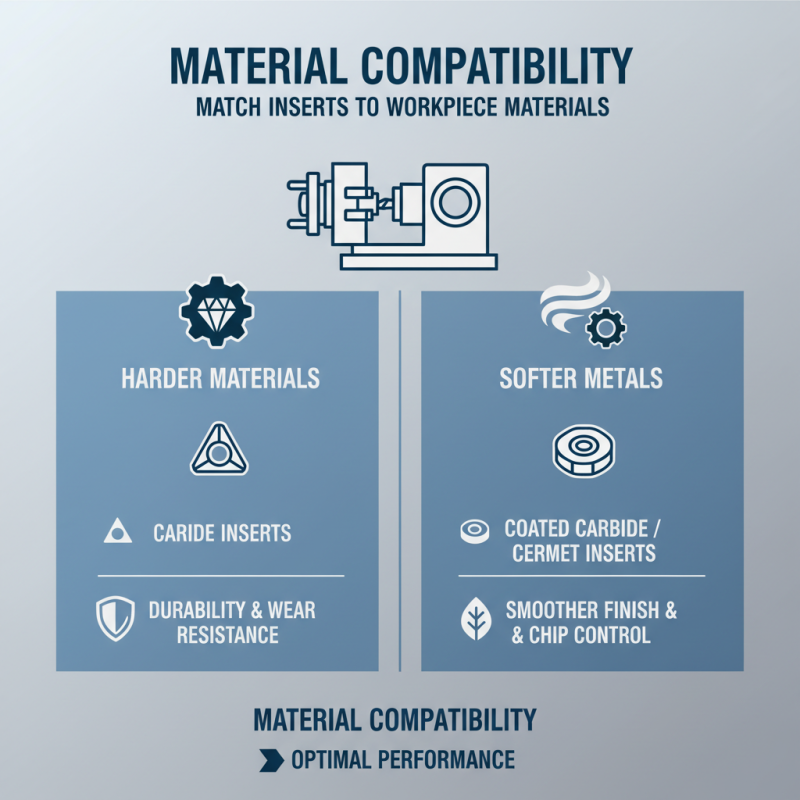
Choosing the right lathe insert is crucial for successful machining. Material compatibility plays a significant role in this selection. Inserts need to match the workpiece material to ensure optimal performance and longevity. For instance, carbide inserts work well with harder materials. They offer durability and resistance to wear. However, softer metals may require different inserts.
When machining aluminum, consider inserts with a specific geometric design. These inserts prevent built-up edges and improve surface finish. On the other hand, machining steel requires a tougher insert, usually with a coated surface. Coatings reduce friction and enhance tool life. Selecting an inappropriate insert leads to issues such as increased vibration or poor tool wear.
Understanding the properties of your workpiece material is vital. It helps in selecting the right insert. Testing different inserts in a controlled environment can reveal useful insights. Pay attention to how each insert performs. Keep a log of these experiences for future reference. Sometimes, what seems right doesn’t deliver the desired results, prompting reevaluation and adjustments. Adaptability is key in this evolving industry.
Insert Geometry: How Shape Affects Performance
Choosing the right insert geometry can significantly impact machining performance. The shape of the insert influences cutting efficiency, tool life, and surface finish. For instance, a round insert can provide exceptional chip flow and reduce cutting forces, while a square insert offers greater stability and strength in heavier cuts. Consider the type of material you are machining. Harder materials may require sharper, more acute geometries for effective cutting.
Tips: Always analyze your workflow. Look at the material you work with most often. This will guide your insert shape selection. Experimentation can lead to improvements. Don't hesitate to try different geometries in specific scenarios. It may feel counterintuitive at first, but adjustments often yield better results.
Geometry also affects the cutting angle. A positive rake angle can increase tool life by reducing wear. On the other hand, a negative rake may offer more control when facing tough materials. Be aware that changing angles may require adjustments in speed and feed rates. Assess the efficiency based on real data. Reflect on how each geometry performs in various conditions. Adjustments can often result in significant performance gains.
Cost vs. Performance: Finding the Right Balance in Inserts
Choosing the right lathe insert is crucial for effective machining. Cost and performance often collide in this decision. On one hand, you have budget constraints. On the other, you want quality outcomes. This balance can be tricky. Sometimes, cheaper inserts wear out faster, leading to higher costs in the long run. It's tempting to go for the lowest price, but this could compromise your work’s precision.
Performance metrics include tool life and cutting speed. High-performance inserts may seem pricey, but they save time and effort. A good insert can withstand tough materials and harsh conditions. Yet, not every task needs top-tier performance. Reflecting on your specific requirements is essential. Sometimes, a mid-range insert serves best. It’s critical to evaluate the material being machined and machining conditions. Factors such as speed and feed rates play significant roles too.
Cost-effectiveness isn't only about the cheapest option. It's about finding the right insert for your machining needs. Balancing performance and cost may require testing and adjustments. Consider this—what works today may not fit tomorrow’s projects. Each job has unique demands that challenge your choices. Awareness of this dynamic is key for operational success.
Cost vs. Performance of Lathe Inserts