Why Choose Tungsten Inserts for Your Manufacturing Needs?
In today's manufacturing landscape, the choice of materials can significantly impact production efficiency and part durability. Experts recognize that Tungsten Inserts offer unique advantages in various applications. Dr. Emily Carter, a leading authority in material engineering, once stated, "The precision and strength of Tungsten Inserts can redefine manufacturing processes." This highlights the growing relevance of tungsten in enhancing product performance.
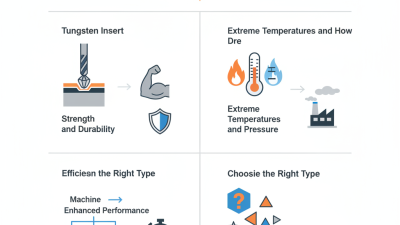
Tungsten Inserts are renowned for their outstanding hardness and resistance to wear. They perform exceptionally well in high-stress environments. Many manufacturers have found that the initial investment in tungsten pays off through longevity and reduced downtime. For instance, in industries like aerospace and automotive, these inserts help streamline operations and improve product reliability.
Despite the clear benefits, some manufacturers hesitate. They question the initial costs or the complexity of integrating Tungsten Inserts into existing processes. This hesitation can lead to missed opportunities. Understanding how tungsten can elevate manufacturing capabilities is essential for companies aiming to stay competitive. Embracing this innovation may require reevaluation and adjustment, but the potential rewards are significant.
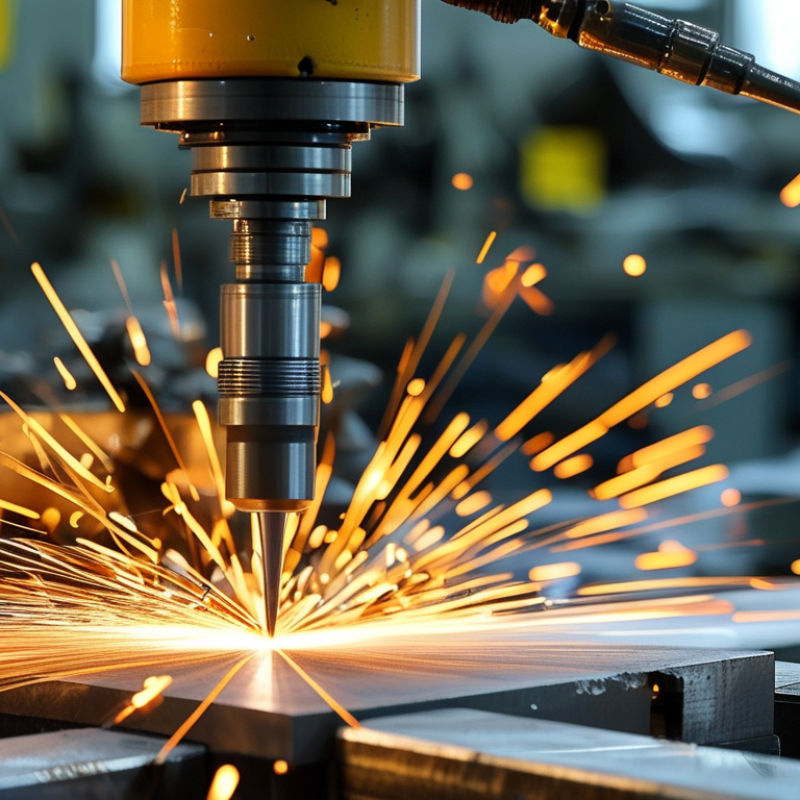
Benefits of Tungsten Inserts in Manufacturing Applications
Tungsten inserts are becoming essential in various manufacturing processes. Their unique properties offer a range of advantages. Tungsten’s high density means it can withstand significant wear and tear, making it ideal for cutting tools and machining applications. This durability leads to less frequent replacements, saving both time and costs in the manufacturing cycle.
The heat resistance of tungsten inserts is another critical benefit. They maintain their structural integrity at elevated temperatures, ensuring consistent performance during high thermal loads. This reliability can enhance product quality, decreasing the chance of defects. However, producing tungsten inserts requires precision and expertise, which may not be available in every facility.
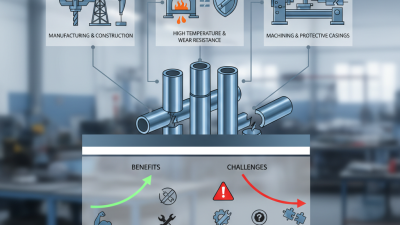
It is important to acknowledge that not every application benefits from tungsten inserts. Factors like the specific material being processed and the intended application should be carefully considered. In some cases, the initial investment costs might deter smaller manufacturers. Weighing the pros and cons is crucial to determine if tungsten inserts will truly add value to the manufacturing process.
Properties of Tungsten and Its Impact on Performance
Tungsten is known for its exceptional properties, making it an ideal choice for various manufacturing applications. With a melting point exceeding 3,422°C, tungsten stands out for its unmatched heat resistance. This attribute is crucial in environments where extreme temperatures are common. For example, tools made with tungsten can maintain their structural integrity under demanding conditions.
Another remarkable feature of tungsten is its density—it is almost twice that of steel. This high density results in greater energy transfer during machining processes. According to industry reports, products developed with tungsten inserts can achieve up to 30% more efficiency. This can lead to significant cost savings in the long run, especially in high-volume production scenarios. Yet, despite these advantages, tungsten can be challenging to work with. The difficulty of machining tungsten requires specialized techniques and tools, which may not be readily available in all manufacturing setups.
Moreover, tungsten’s brittleness presents another consideration. It necessitates careful handling to avoid breakage or chipping during the manufacturing process. Balancing these challenges with the benefits can be tricky. While tungsten offers impressive durability and performance, manufacturers must assess their capabilities and needs. Weighing these factors can help determine if tungsten is the right fit for specific applications.
Properties of Tungsten Inserts and Their Impact on Manufacturing Performance
Comparative Analysis: Tungsten Inserts vs. Other Materials
Tungsten inserts have gained traction in the manufacturing industry due to their superior durability. While compared to standard carbide inserts, tungsten demonstrates higher resistance to wear and tear. According to a report by the International Federation of Robotics, using tungsten inserts can enhance tool life by up to 30%. This longevity translates into reduced downtime and cost savings for manufacturers.
In contrast, standard steel materials often fall short in high-temperature operations. A comprehensive analysis from the Journal of Materials Science revealed that tungsten maintains its hardness at elevated temperatures better than aluminum or steel. This property allows manufacturers to maintain precision under extreme conditions. Yet, there are drawbacks; tungsten is more brittle, which can lead to chipping if not handled properly.
Cost is another vital point of consideration. While initially more expensive, the overall operational costs with tungsten inserts might be lower due to their longevity. Manufacturers need to weigh upfront investment against long-term benefits. The materials selected can significantly influence production efficiency. The trade-offs are evident. Balancing performance and cost remains a challenge in material choice.
Cost Considerations and Long-Term Value of Tungsten Inserts
Tungsten inserts have gained popularity in manufacturing due to their remarkable durability and cost-effectiveness. A recent industry report indicates that tungsten inserts can last up to five times longer than traditional materials. This durability significantly reduces the frequency of replacements, thus lowering long-term costs.
Manufacturers often overlook the initial investment when considering tungsten inserts. While the upfront cost might be higher, the savings from reduced downtime and maintenance should not be underestimated. Companies can save as much as 30% over time by implementing tungsten technology. With lower wear rates, machines run longer and require fewer replacements, enhancing overall productivity.
Additionally, tungsten inserts enhance precision in machining processes. Enhanced precision can lead to fewer errors, reducing material waste. According to a study, using high-quality inserts improves operational efficiency by up to 20%. However, the integration of tungsten inserts may need adjustments in machine settings, which requires careful calibration. This adjustment period can be seen as an obstacle, but the long-term value far outweighs the initial challenges.
Applications of Tungsten Inserts Across Various Industries
Tungsten inserts find extensive applications across various industries due to their superior hardness and wear resistance. In metalworking, for instance, tungsten inserts are used in cutting tools, providing excellent tool life and efficiency. Reports indicate that the global tungsten carbide market is projected to reach $38.64 billion by 2025, emphasizing the growing reliance on tungsten materials in manufacturing processes.
In the aerospace sector, tungsten inserts are crucial for components that endure extreme conditions. Their ability to withstand high temperatures and stresses ensures durability where failure could be catastrophic. A 2021 study found that using tungsten inserts can enhance performance and reliability in aerospace applications by up to 30%, making them an essential choice for engineers and manufacturers.
Despite the advantages, some manufacturers face challenges when integrating tungsten inserts. The initial costs can be high, and machining these inserts requires advanced techniques. This can deter companies, particularly smaller ones, from adopting them fully. The investment may seem daunting, but the long-term benefits often outweigh the costs, positioning tungsten inserts as a valuable asset in various manufacturing contexts.
Why Choose Tungsten Inserts for Your Manufacturing Needs? - Applications of Tungsten Inserts Across Various Industries
| Industry |
Application |
Advantages of Tungsten Inserts |
| Aerospace |
Engine components, drilling tools |
High density, wear resistance |
| Automotive |
Cutting tools, dies |
Durability, improved performance |
| Mining |
Drill bits, rock drilling equipment |
Longer lifespan, cost efficiency |
| Manufacturing |
Molding tools, cutting inserts |
Precision, high-temperature resistance |
| Oil & Gas |
Drilling rigs, downhole tools |
Enhanced strength, resistance to corrosion |