How to Choose the Best Cemented Carbide Tools for Your Needs?
Choosing the right tools for your projects is crucial. Cemented carbide tools are popular for their durability and versatility. They are widely used in various industries, from manufacturing to construction. Selecting the best options, however, can be challenging.
You need to consider several factors. These include tool type, application, and material compatibility. Each aspect influences performance significantly. Not all cemented carbide tools are created equal, and the wrong choice can lead to inefficiency.
Many users overlook specific details when choosing. For instance, the tool's geometry can affect cutting efficiency. Investing time in research is essential. You may need to consult experts or consider peer reviews. This approach ensures that you find reliable, effective cemented carbide tools tailored to your needs.
Understanding Cemented Carbide: Composition and Properties
Cemented carbide tools are known for their durability and hardiness. These tools are made from a mixture of carbide particles bonded together by a metal matrix. This combination leads to unique properties such as high hardness, excellent wear resistance, and the ability to withstand extreme temperatures.
When selecting cemented carbide tools, it's important to understand their composition. The primary component is tungsten carbide. This provides strength and hardness. The metal binder, usually cobalt or nickel, enhances toughness. Each component plays a critical role in performance and longevity.
Tips: Check the carbide grade. Different grades affect wear resistance. Consider your specific application for optimal performance.
In practice, balancing durability with cost is a challenge. While high-grade tools offer superior performance, they come with a higher price tag. Assess your needs carefully. Over-spending on tools that exceed your requirements can lead to waste.
Tips: Read user reviews and technical datasheets. This helps in understanding how a tool performs in real-world applications. Choose wisely based on your tasks.
Types of Cemented Carbide Tools: Selection Based on Applications
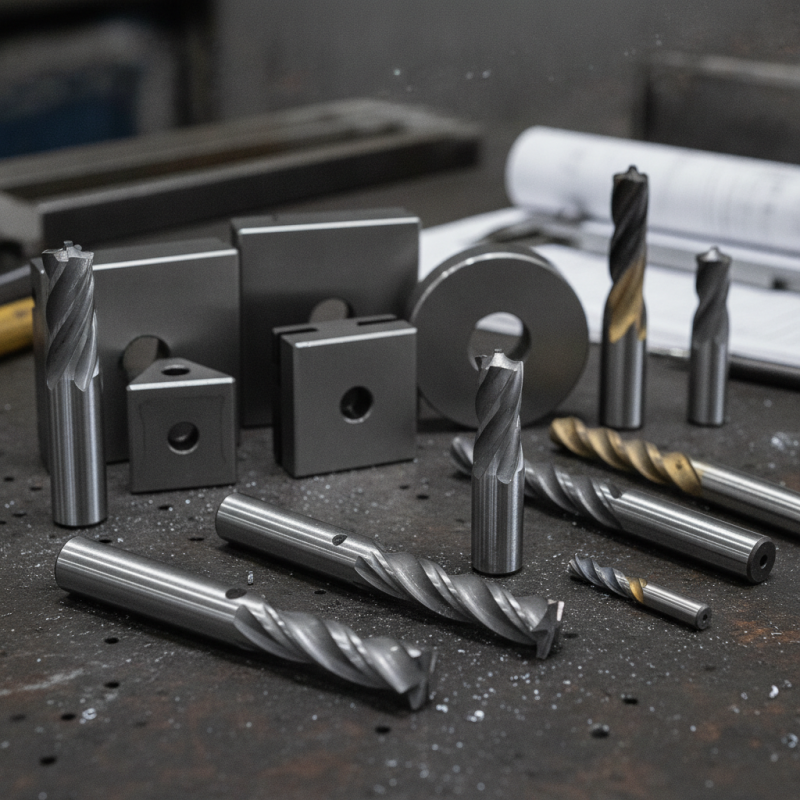
When selecting cemented carbide tools, understanding their types is crucial. Each tool serves specific applications, influencing your choice. For example, cutting tools are designed for metalworking. They excel in machining steel, aluminum, and other materials. Their durability and resistance to wear make them a popular choice. Keep in mind, though, that not all cutting tools perform equally well for every material.
Turning tools and drills are another category worth considering. Turning tools shape materials in a lathe, allowing for precision work. Drills, on the other hand, create holes in various materials. Choosing the wrong tool may lead to poor finishes or excessive tool wear. Think about the project requirements and material characteristics. Understanding these aspects can significantly enhance your productivity and tool life.
Do not overlook the importance of geometry in tool selection. The shape of the cutting edge can impact performance. Different geometries suit different tasks, such as finishing, roughing, or profiling. Experimenting with various tools may be necessary. Analyzing the results can help refine your choices. Embrace the learning process. Sometimes, trial and error is the best way to find what works for you.
Types of Cemented Carbide Tools Based on Applications
Evaluating Tool Geometry: Impact on Performance and Efficiency
Choosing the right tool geometry is crucial in enhancing performance and efficiency. The shape and angle of a cutting tool affect its interaction with materials. For instance, sharp edges reduce cutting resistance, while a robust design can withstand high forces.
Consider your specific application. Are you machining hard metals or softer materials? Each requires a distinct approach. A tool with a larger rake angle, for example, can facilitate smoother cuts. However, it might wear out faster than a more conservative design, leading to reflections on durability versus efficiency.
Not all geometries suit every task. A well-rounded tool might perform adequately across many scenarios, but it won’t excel in specialized tasks. It’s essential to evaluate the trade-offs. Picking the perfect geometry often involves experimenting and adjusting based on results. Don't hesitate to reflect on what worked and what didn't to refine your process further.
How to Choose the Best Cemented Carbide Tools for Your Needs? - Evaluating Tool Geometry: Impact on Performance and Efficiency
| Tool Type |
Geometry Type |
Cutting Edge Angle (Degrees) |
Coating Type |
Performance Rating (1-10) |
| End Mill |
Ball Nose |
30 |
TiAlN |
9 |
| Turning Tool |
Positive Rake |
12 |
TiN |
8 |
| Drilling Tool |
Twist Drill |
118 |
ZrN |
7 |
| Milling Cutter |
Face Mill |
45 |
AlTiN |
9 |
Analyzing Tool Coatings: Enhancing Durability and Wear Resistance
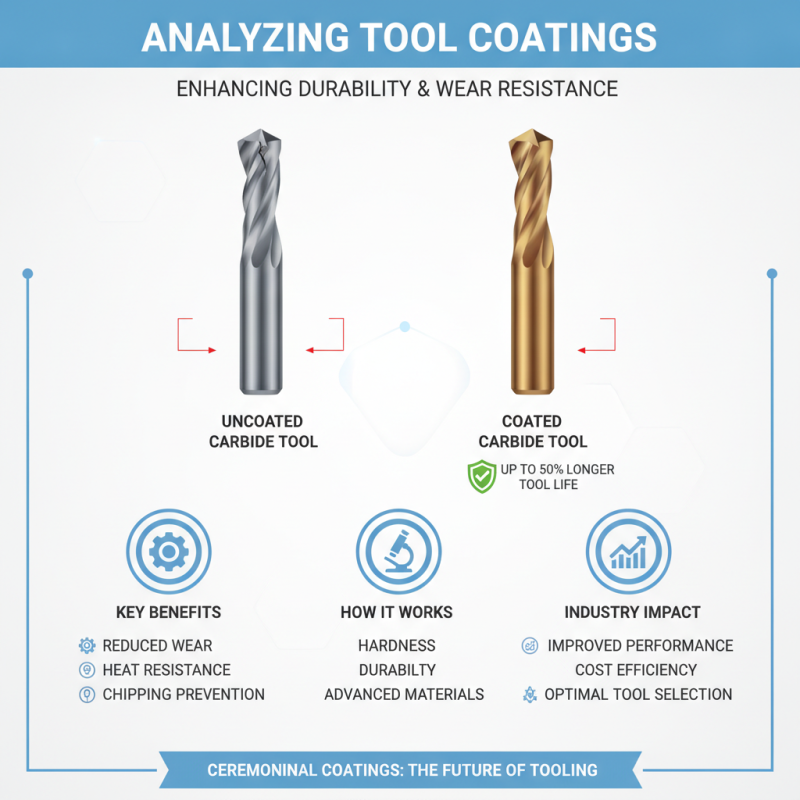
Cemented carbide tools are widely used due to their hardness and durability. Coatings play a crucial role in enhancing their performance. Advanced coatings can significantly improve tool life by reducing wear, enhancing resistance to heat, and preventing chipping. According to industry reports, coated carbide tools can increase tool life by up to 50% compared to uncoated counterparts. This makes understanding coatings essential for choosing the right tools.
Different coating materials provide distinct benefits. For instance, titanium nitride (TiN) is known for its hardness and reduces friction. On the other hand, aluminum oxide (Al2O3) is excellent for high-temperature applications. Research suggests that tools with multi-layer coatings outperform others by combining various properties into one tool. This layered approach offers flexibility for various machining processes.
Tips: Always consider the specific application when selecting a coating. Evaluate factors such as cutting speed, material type, and desired finish. Regularly reviewing tool performance can help identify wear patterns. This feedback loop can inform future tool purchases, ensuring optimal productivity. Remember, the right coating can mean the difference between success and failure in your machining projects.
Cost-Benefit Analysis: Balancing Quality and Budget in Tool Selection
Choosing the right cemented carbide tools involves careful financial consideration. A cost-benefit analysis can help you balance quality and budget effectively. A recent industry report highlights that high-quality tools can boost productivity by up to 30%. However, they often come with a higher price tag.
When selecting tools, consider their lifespan. Quality cemented carbide tools can last five times longer than cheaper alternatives. If a lower-priced tool costs 20% less but wears out quickly, you might end up spending more in the long run. Focus on the total cost of ownership instead of just the purchase price.
Tips:
- Always evaluate the expected lifespan of the tool.
- Look for user reviews or case studies to gauge performance.
- Don't overlook maintenance costs; they're part of your total budget.
Investing a bit more upfront can yield significant returns in the long haul. Yet, remember, not every expensive tool is the best choice for every application. Assess your specific needs thoroughly before making a decision.