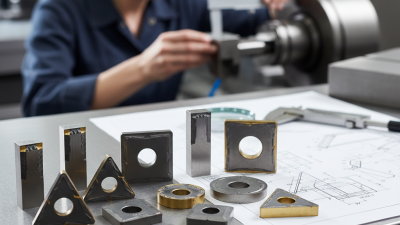
How to Choose the Best Tungsten Carbide Inserts for Your Needs?
When selecting the right Tungsten Carbide Inserts, it's important to understand their unique features and applications. Industry expert Dr. John Smith emphasizes, “Choosing the perfect insert can significantly impact your machining efficiency.” This statement highlights the crucial role these inserts play in manufacturing processes.
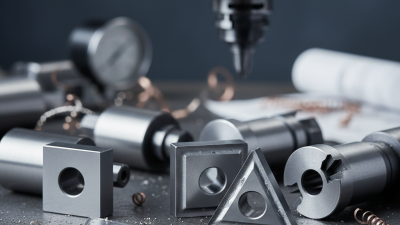
Tungsten Carbide Inserts are essential for machining various materials. They offer durability and precision, which are vital for successful operations. Factors like hardness, wear resistance, and geometry must be considered. Each application may require a specific type of insert. These details can sometimes be overlooked by users, leading to suboptimal choices.
Selecting the best Tungsten Carbide Inserts often involves trial and error. It’s essential to reflect on past experiences and assess performance outcomes. Sometimes, an insert that works well in one scenario may not yield the same results in another. A clear understanding of your needs is key in making informed decisions.
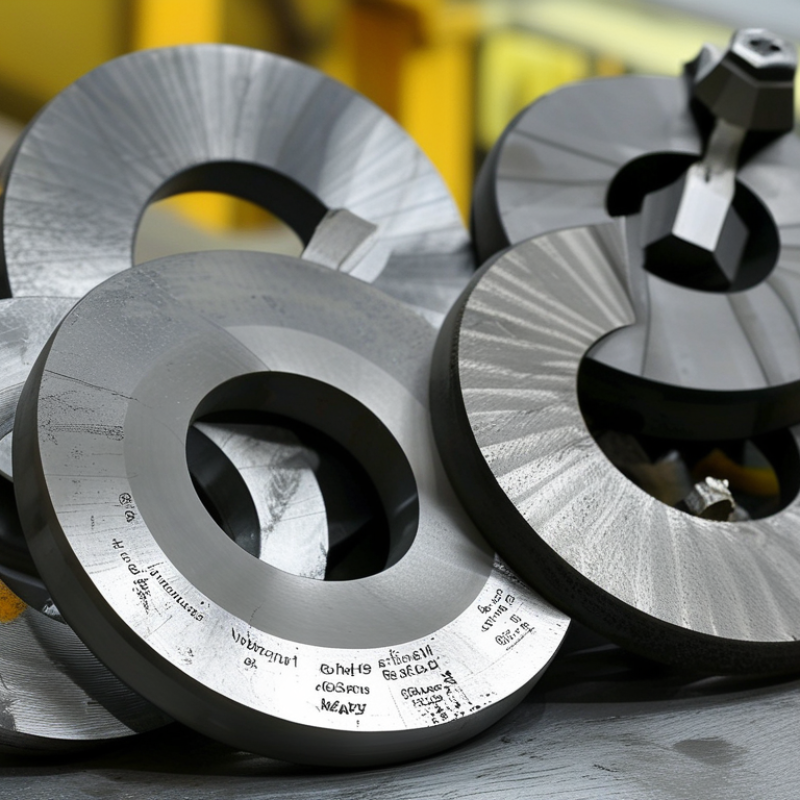
Understanding Tungsten Carbide Inserts and Their Applications
Tungsten carbide inserts are crucial tools in various industrial applications. They are primarily used in machining to enhance performance and durability. According to a recent industry report, tungsten carbide inserts can outperform high-speed steel by a significant margin, offering more than twice the hardness. This characteristic makes them ideal for cutting harder materials.
Selecting the right tungsten carbide insert requires understanding its specific applications. Inserts are designed for different materials, such as steel, aluminum, or composites. A recent study highlighted that using the correct insert can improve cutting efficiency by over 30%. However, not all inserts are the same. Some may wear out faster than expected, particularly when used improperly or under the wrong conditions.
The composition and grade of tungsten carbide play a critical role in performance. Inserts with cobalt as a binder tend to provide better toughness. Yet, they may not be the best choice for all operations. Ideally, users should consider factors like cutting speed and tool life when choosing inserts. Understanding these nuances can lead to better decision-making and ultimately enhance productivity in machining operations.
Key Factors to Consider When Selecting Tungsten Carbide Inserts
When selecting tungsten carbide inserts, several key factors shape the decision. The material composition is crucial. Different grades of tungsten carbide affect how well the inserts perform under stress. Understanding the application will guide you to the right grade. Harder materials generally last longer but can be more brittle.
Another important aspect is the insert geometry. Flank and rake angles significantly influence cutting performance. Choosing the correct geometry can enhance efficiency and precision. It requires some experimentation to find what works best for your specific needs.
Lastly, consider the coating on the inserts. Coatings can improve wear resistance and performance in high-temperature conditions. However, they may also complicate the selection process. Some coatings might not suit certain materials or machining conditions. Adjusting your choices based on real-world feedback is essential for optimizing results.
Evaluating Insert Geometry for Maximum Cutting Performance
When selecting tungsten carbide inserts, understanding insert geometry is crucial. The shape and angles significantly influence cutting performance. For instance, a study from the International Journal of Machine Tools and Manufacture showcases that a positive rake angle can enhance chip formation and reduce cutting forces. This can lead to improved tool life and better surface finish on the workpiece.
Tip: Evaluate the chipbreaker design when selecting inserts; it can affect how chips are managed during cutting. Products with a well-designed chipbreaker minimize recutting, which is essential for smoother machining operations.
Geometry isn't just about angles; it includes edge preparation and coating options. Inserts with sharper edges improve cutting efficiency but may wear faster. A report from Metal Cutting Technologies reveals that a balanced approach to edge design can boost longevity without sacrificing performance. While sharper edges might sound ideal, consider the trade-off in wear resistance.
Tip: Always test inserts on a small scale before full implementation. This helps ensure the selected geometry meets specific machining requirements without compromising productivity.
Comparing Coatings for Enhanced Wear Resistance in Inserts
When selecting tungsten carbide inserts, one crucial factor is the coating. Coatings enhance wear resistance, making the inserts last longer. Different coatings offer varied benefits. Common types include TiN, TiAlN, and CrN. Each has unique properties that cater to specific applications.
TiN (Titanium Nitride) is a popular choice. It provides a hard surface and works well for steel machining. However, it may not perform as effectively in high-temperature environments. On the other hand, TiAlN (Titanium Aluminum Nitride) excels in tough conditions. Its high oxidizing temperature makes it suitable for high-speed machining.
Consider your application when choosing coatings. Evaluate the materials you'll be working with. If you're machining stainless steel, choose TiAlN for better performance. For softer metals, TiN might suffice.
**Tips:** Always test inserts under real conditions before bulk purchase. Monitor wear patterns to understand which coating performs best in your setup. Resist the urge to only focus on one type of coating. The ideal choice often involves a balance of features and application needs. Be prepared to reevaluate your options based on the results.
Comparison of Wear Resistance Coatings in Tungsten Carbide Inserts
Assessing Cost-Effectiveness: Price vs. Performance of Inserts
When choosing tungsten carbide inserts, cost-effectiveness is crucial. The balance between price and performance can significantly impact your project outcomes. Cheaper inserts may seem appealing, but they often wear out quickly. This can lead to higher costs in the long run due to replacements and maintenance.
Tips for assessing performance include checking the insert's grade and geometry. Different grades suit various materials and conditions. Geometry affects tool life and cutting efficiency. An insert designed for specific tasks will perform better, even if it costs more upfront.
Reflect on your production needs. If you prioritize speed, investing in higher-quality inserts might save time and money. Conversely, for less demanding tasks, lower-cost options may suffice. Always analyze your workload and select inserts wisely to enhance both performance and overall effectiveness.
How to Choose the Best Tungsten Carbide Inserts for Your Needs?
| Insert Type |
Material |
Cost ($) |
Performance Rating (1-10) |
Durability (Hours) |
| General Purpose |
Tungsten Carbide |
50 |
8 |
200 |
| High Precision |
Cobalt Mixed |
75 |
9 |
120 |
| Heavy Duty |
Chrome-Tungsten |
100 |
7 |
300 |
| Finishing |
Carbide Alloy |
60 |
8.5 |
150 |