How to Choose the Best Tungsten Carbide Metal for Your Projects
When selecting materials for industrial and craft projects, the choice of Tungsten Carbide Metal has increasingly gained prominence due to its outstanding properties. According to research conducted by leading metallurgical experts, Tungsten Carbide exhibits remarkable hardness and wear resistance, making it one of the toughest materials available, rated at 9 on the Mohs scale of hardness. This superior characteristic ensures longevity and durability in a wide range of applications, from cutting tools to wear-resistant surfaces.
Furthermore, the global market for Tungsten Carbide is on the rise, with projections indicating a compound annual growth rate (CAGR) of around 5.2% over the next several years. This growth can be attributed to its versatile applications in various industries, including mining, aerospace, and manufacturing. As demand for high-performance materials increases, understanding how to select the best Tungsten Carbide Metal for specific projects has never been more crucial. By analyzing factors such as composition, grain size, and treatment processes, industries can effectively harness the potential of Tungsten Carbide, ensuring efficiency and cost-effectiveness in their operations.

Understanding Tungsten Carbide: Properties and Benefits
Tungsten carbide is a compound made from tungsten and carbon, renowned for its outstanding hardness and resistance to abrasion. This metal is composed of a unique crystalline structure, giving it a hardness of 1500 to 2000 Vickers, making it significantly harder than steel. According to a report by the International Journal of Refractory Metals and Hard Materials, tungsten carbide's strength-to-weight ratio is one of the highest among materials used in industrial applications, which makes it an ideal choice for cutting tools, dies, and wear-resistant applications.
The benefits of tungsten carbide extend beyond its hardness. It also exhibits remarkable thermal resistance, allowing it to maintain its strength and structural integrity at high temperatures, making it suitable for industries such as aerospace and oil and gas. A study published in the Journal of Materials Science revealed that tungsten carbide retains its mechanical properties even at temperatures exceeding 600 degrees Celsius. Additionally, tungsten carbide is chemically inert, which means it resists corrosion and wear in harsh environments, decreasing maintenance costs and extending the lifespan of tools and components made from this material. Given these characteristics, understanding tungsten carbide's properties is crucial for engineers and manufacturers seeking reliable and durable materials for their projects.
Types of Tungsten Carbide: Selective Characteristics for Different Uses
Choosing the right type of tungsten carbide for your projects requires an understanding of the different variants available and their specific characteristics.
Tungsten carbide can be broadly categorized into metal matrix composites and cemented tungsten carbide.
Cemented tungsten carbide, known for its high hardness and wear resistance, is ideal for applications such as cutting tools, mining machinery, and drilling.
According to the Global Tungsten Industry Report published in 2022, the demand for cemented tungsten carbide tools is expected to grow by 5% annually, primarily due to increased construction and manufacturing activities.
On the other hand, metal matrix composites combine tungsten carbide particles with a metal binder like cobalt or nickel to enhance toughness.
This variation proves advantageous in scenarios where impact resistance is crucial, such as in heavy machinery and high-stress environments.
The market analysis indicates that composites are gaining traction, projecting a growth rate of 7% in specialized applications due to their superior mechanical properties.
Understanding these selective characteristics will allow professionals to optimize their choice of tungsten carbide, ensuring both performance and longevity in their projects.
Evaluating Durability: When to Use Tungsten Carbide in Projects
When evaluating the durability of materials for your projects, tungsten carbide stands out as an exceptional choice due to its hardness and resistance to wear. According to industry reports, tungsten carbide is nearly four times harder than conventional steel, which makes it ideal for applications that require high durability, such as cutting tools, industrial machinery, and wear-resistant parts. This extreme toughness not only extends the lifespan of tools and components but also reduces the frequency of replacements, ultimately leading to cost savings in industrial settings.
When considering the use of tungsten carbide in your projects, it’s essential to assess the specific requirements. For instance, if the application involves heavy abrasion or high impact, tungsten carbide's ability to withstand such conditions without deforming is invaluable. It is noteworthy that tungsten carbide can maintain its structural integrity even at high temperatures, which makes it suitable for extreme environments.
**Tips:** Always conduct a thorough analysis of the working environment and the stresses that the material will face. Additionally, collaborate with industry professionals to identify specific grades of tungsten carbide that are best suited for your needs. Finally, remember that while tungsten carbide offers unmatched durability, it is important to balance performance with cost, ensuring that you are making a sound investment for your projects.
Factors to Consider: Cost, Quality, and Sourcing Tungsten Carbide
When selecting tungsten carbide for your projects, several critical factors come into play, particularly cost, quality, and sourcing. Cost is often the first consideration; however, it is essential to balance cost with the performance needs of your application. Cheaper options may seem attractive initially but could lead to higher long-term costs due to quicker wear and replacements. Investing in higher quality tungsten carbide could save money over time by reducing the need for frequent maintenance or replacement parts, especially in high-stress applications like cutting tools or industrial machinery.
Quality is closely tied to the material's specifications and manufacturing processes. The composition of tungsten carbide, including the percentage of cobalt used as a binder, greatly affects its hardness, durability, and resistance to wear and tear. Ensuring that you choose a high-quality product will involve checking certifications and testing results from suppliers. This diligence not only impacts the product's longevity but also its effectiveness in demanding environments. Lastly, sourcing is crucial; establishing reliable relationships with suppliers can lead to better quality control and more favorable pricing structures. Consideration of local versus overseas sourcing may also affect lead times and shipping costs, making this a vital strategic decision in your procurement process.
Applications of Tungsten Carbide: Industry-Specific Insights and Tips
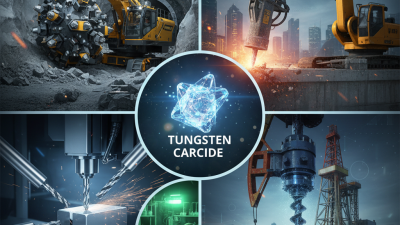
Tungsten carbide is a highly versatile material known for its exceptional hardness and durability, making it an optimal choice across various industries. In manufacturing, tungsten carbide is often used in cutting tools and wear parts due to its ability to withstand high temperatures and resist abrasion. The mining industry also benefits from tungsten carbide, utilizing it in drills and bits that can penetrate tough materials efficiently. Additionally, the jewelry sector frequently employs tungsten carbide in creating durable and scratch-resistant rings that maintain their luster over time.
When selecting tungsten carbide for specific applications, always consider the material's hardness and grain size, as these factors can significantly influence its performance. For applications requiring enhanced toughness, opt for finer grain sizes that provide better mechanical properties. Another crucial tip is to assess the environmental conditions of your application, such as temperature and exposure to chemicals, as they can impact the longevity of tungsten carbide components. Lastly, ensure that the chosen tungsten carbide is correctly alloyed for your specific needs, as this can enhance certain characteristics, like strength and resistance to wear.