How to Choose Between Titanium and Tungsten Carbide?
Choosing between Titanium and Tungsten Carbide can be challenging. Both materials offer unique qualities. Industry expert Dr. Mark Stevens states, “Selecting the right material is crucial for durability.”
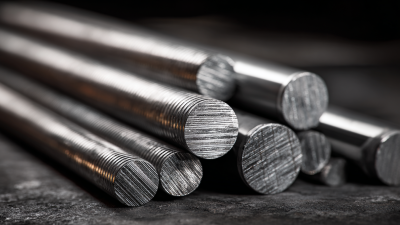
Titanium provides a lightweight option. It is highly resistant to corrosion. Many prefer it for its comfort and low maintenance. Tungsten Carbide, on the other hand, stands out for its hardness. It is nearly scratch-resistant. This makes it popular in jewelry and heavy-duty applications.
When weighing Titanium Tungsten Carbide, consider your lifestyle. For example, athletes may prefer titanium for its lightness. Yet, if you work in tough environments, Tungsten Carbide’s strength could be more beneficial. Reflect on your needs. The decision is not merely about aesthetics. It also involves practicality and long-term use. Choose wisely.
Understanding the Properties of Titanium and Tungsten Carbide
When choosing between titanium and tungsten carbide, it's essential to understand their properties. Titanium is lightweight and strong. It has a natural resistance to corrosion. This makes it ideal for various environments. For instance, titanium is often used in aerospace and medical implants. Its durability is impressive, yet it can scratch over time.
Tungsten carbide, on the other hand, is heavier and denser. It's one of the hardest materials available. This means it can withstand scratches better than titanium. However, tungsten carbide may be more brittle. This fragility can lead to cracking under stress. A mistake here could lead to disappointment if not considered.
Choosing between these two materials depends on lifestyle and needs. If lightness matters, titanium shines brightly. If durability is the priority, tungsten carbide stands out. Both materials have pros and cons, and your choice reflects personal preference. It's worth reflecting on how you intend to use the item.
Comparative Analysis of Durability and Strength
When choosing between titanium and tungsten carbide, durability and strength are key factors. Titanium is known for its lightweight nature. It resists corrosion well. Yet, it can be scratched more easily than tungsten carbide.
Tungsten carbide, on the other hand, is incredibly hard. It ranks high on the Mohs scale of hardness, making it very resistant to scratches. When it comes to everyday wear, tungsten carbide often outperforms titanium.
Consider your lifestyle when making a choice. If you lead an active life, tungsten carbide may be ideal. It can withstand rough use without showing signs of wear.
However, if comfort and lightweight materials are your priorities, titanium might be the better option. Many appreciate titanium's comfort for daily wear, despite its lower scratch resistance.
Tips for choosing: think about your daily activities and hobbies.
Active individuals might prefer tungsten carbide for its toughness. If you often change styles or wear your ring less frequently, titanium could work well. Each metal has its pros and cons.
Reflect on what matters most in your day-to-day life. Your final choice should resonate with your personal style and needs.
Weight Considerations: Titanium vs. Tungsten Carbide
When it comes to choosing between titanium and tungsten carbide, weight plays a vital role. Titanium is renowned for its lightweight properties. On average, titanium weighs about 4.5 grams per cubic centimeter. This makes it an excellent choice for those seeking comfort in daily wear. Many prefer it due to its ease of wearing throughout the day. However, this lightweight characteristic might raise concerns about durability for some users.
On the other hand, tungsten carbide is significantly denser. Its weight is approximately 15 grams per cubic centimeter, making it three times heavier than titanium. This heaviness can lead to a distinct, substantial feel on the finger. However, some may find it uncomfortable for prolonged use. In particular, individuals with smaller fingers might feel restricted. According to a report by the Jewelry Industry Association, about 30% of users prefer lighter materials for wedding bands, emphasizing the importance of comfort in daily wear.
Depending on personal preferences, the ideal choice hinges on balancing comfort and sturdiness. A lighter ring can be more comfortable, but does it sacrifice durability? A heavier option may feel more solid, but could it lead to discomfort? These questions are essential to consider. Ultimately, the right choice depends on individual lifestyle and priorities in jewelry wear.
Weight Comparison: Titanium vs. Tungsten Carbide
Aesthetic Appeal: Finish and Design Options for Each Material
When considering titanium and tungsten carbide, aesthetics play a crucial role.
Titanium offers a lightweight feel and various finishes. Its natural grey hue can be polished to a mirror shine or brushed for a matte look. Many people appreciate its understated elegance. Additionally, titanium can be anodized in vibrant colors, adding a unique twist to the classic design.
On the other hand, tungsten carbide is known for its durability. Its rich, dark finish often exudes a contemporary vibe. The polished surface reflects light beautifully, making it a favorite for those seeking a striking appearance. However, the heaviness of tungsten can be a drawback for some. The design options primarily revolve around thickness and shape, which may feel limiting compared to titanium’s diverse styles.
In the end, both materials offer something unique. Personal taste is essential in this decision. What captures your attention? The warmth of titanium or the boldness of tungsten? Reflecting on these details can guide you to the perfect choice that resonates with your style.
Cost Factors: Price Range of Titanium and Tungsten Carbide Jewelry
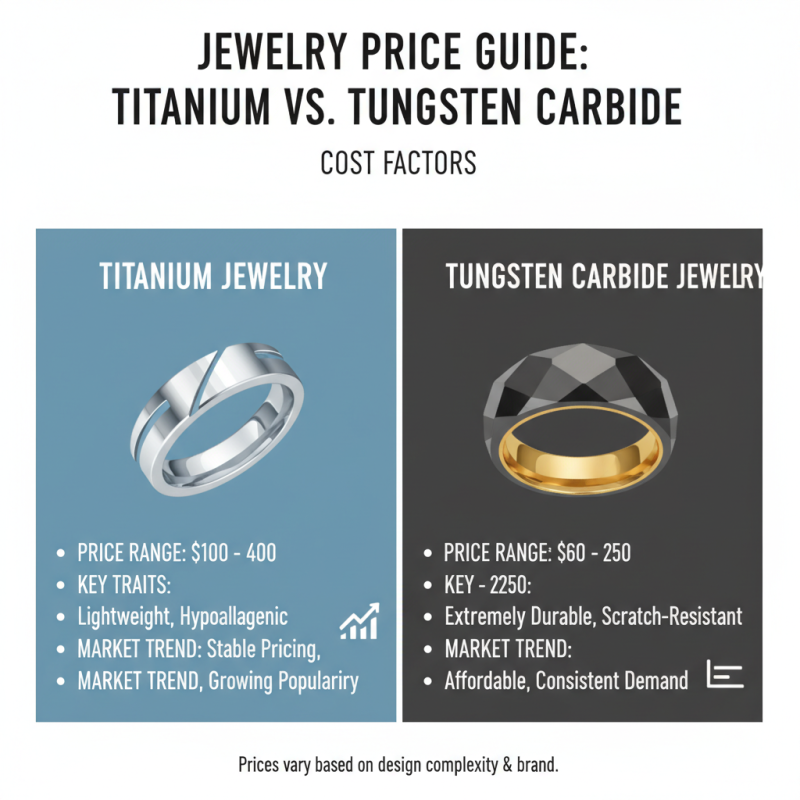
When considering jewelry options, pricing plays a crucial role in decision-making. Titanium jewelry typically ranges from $100 to $400, depending on design intricacies. Its lightweight and hypoallergenic properties make it popular among consumers. The average market report indicates that titanium's growing trend has contributed to its stable pricing over recent years, despite fluctuations in raw material costs.
On the other hand, tungsten carbide generally falls within the $150 to $600 spectrum. This material is notably denser and more durable than titanium. Many buyers appreciate its scratch-resistant nature. Reports suggest that as tungsten carbide becomes more popular, its price has become more competitive. However, the hefty price tag may be a deterrent for some, despite its longevity.
Both materials have advantages and drawbacks. Titanium, while generally cheaper, might not hold the same appeal for some due to its less hefty feel. Tungsten carbide, although stronger, can feel bulkier. This contrast in experience is essential to consider before making a purchase. Ultimately, one must weigh personal preference against cost when choosing between these two durable materials.