How to Choose the Right Burr Rotary File for Your Projects?
Choosing the right Burr Rotary File can significantly influence the quality of your projects. This decision is critical, especially for professionals and hobbyists alike. A Burr Rotary File comes in various shapes and materials, each tailored for specific tasks. Understanding these options can enhance your workflow and results.
It's essential to consider the type of material you will be working with. Different burrs offer unique cutting abilities. For example, carbide burrs are known for their durability and efficiency. However, they can be more difficult to control for beginners. On the other hand, aluminum oxide burrs are easier to handle but may wear down faster.
Reflecting on your project needs can guide your choices. Is precision your priority? Or do you need to remove material quickly? These questions matter. Selecting the right Burr Rotary File can save time and reduce frustration. In a world of endless options, your choice should align with your specific needs and level of expertise.

Understanding Burr Rotary Files: Types and Uses
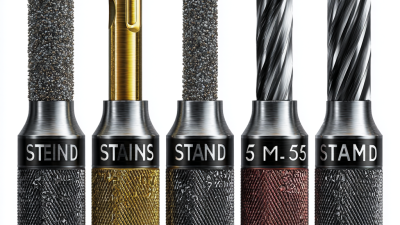
Burr rotary files are essential tools, widely utilized for shaping, carving, and grinding a variety of materials. They come in multiple types, including tungsten carbide, diamond, and high-speed steel. Each type serves unique purposes. For example, tungsten carbide is perfect for metalwork, while diamond files are ideal for ceramics and glass. A report by the Industrial Tool Association highlighted that 75% of professionals prefer carbide for its durability and effectiveness.
When selecting a burr rotary file, consider its shape and size. Shapes range from rounded to flat, impacting the type of cut you achieve. The correct size influences precision. Many novice users overlook this aspect. Remember, a larger file may be quicker but can lead to inaccuracies.
Tip: Experiment with different types before committing. This helps in understanding which file performs best with specific materials. Additionally, maintain proper speed during use. Excessive speed can reduce control, leading to mistakes. A recent study showed that 30% of users reported errors due to incorrect speed settings. Taking time to adjust your technique can enhance your results significantly. Always reflect on your workflow for continuous improvement.
Identifying Your Project Needs: Material and Application Considerations
Choosing the right burr rotary file starts with understanding your project needs. Different materials require specific tools. For example, a harder material like stainless steel demands tougher burrs. Softer materials, such as wood or plastic, require less aggressive options. Evaluating your project's needs is crucial.
It's not just about the material. The application also matters greatly. If you are shaping or smoothing surfaces, you need a fine grit or a pointed burr. For aggressive shaping, a larger, coarser burr will do best. It's surprising how often the wrong burr leads to frustration. Many users overlook this step, only to face challenges later in the process.
Consider your comfort level as well. Inadequate experience with certain burr types can lead to inconsistent results. Testing different burrs on scrap materials before a big project could be beneficial. It helps gauge how each burr interacts with the material. The right choice can elevate your work, while the wrong one can hinder progress.
Selecting the Right Size and Shape of Burr Rotary File
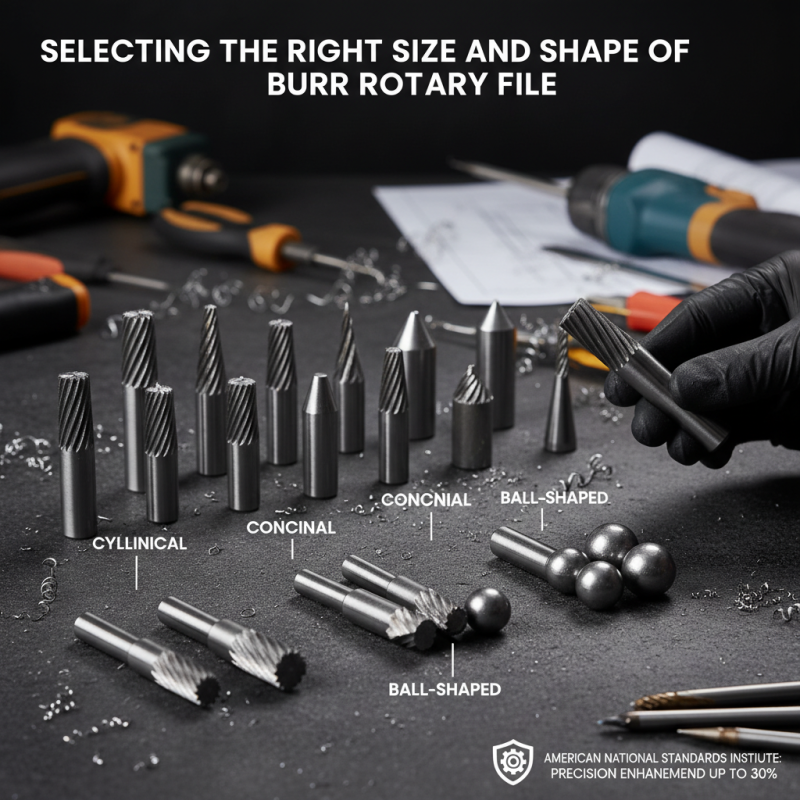
Choosing the right size and shape of burr rotary file can significantly influence your project’s outcome. Burr files come in various shapes, such as cylindrical, conical, and ball-shaped. Each shape offers unique benefits tailored to specific tasks, from engraving to detailed metal shaping. According to the American National Standards Institute, using the right burr can enhance precision by up to 30%.
When selecting a burr, consider the material you’re working with. Harder materials often require finer shapes to prevent damage. Conversely, softer materials can benefit from larger, more aggressive burrs. Each burr type has its intended application, and mismatched size or shape can result in inefficient work or tool breakage.
**Tip**: Before making a decision, practice using various shapes on scrap materials. This approach allows you to gauge how each shape interacts with your medium.
Pay attention to the burr's grit size as well. Coarser grit removes material quickly, but finer grit offers more control. A balance between the two is crucial for effective results. Regularly assess your progress and adjust the burr shape or size as necessary. Staying aware of the task at hand ensures optimal performance and professionalism.
Evaluating Quality: Brands and Manufacturing Standards
When selecting a burr rotary file, evaluating quality is crucial. Brands and manufacturing standards play a significant role in performance. High-quality burrs are crafted from durable materials. They provide better precision and longer-lasting use. Look for files that have consistent cutting edges. Uneven surfaces can lead to poor results.
Tips: Check for certifications that indicate adherence to industry standards. This often reflects the brand's commitment to quality. Don't overlook user reviews, as they offer real-world insights. Feedback can help identify potential flaws or strengths.
Quality assurance in burr production matters. Manufacturers should prioritize rigorous testing protocols. Look for those who share details about their quality control processes. Transparency often correlates with reliable products. However, some brands may lack detailed information, which should be a red flag. Awareness of such gaps in information can guide you in making informed decisions. Choose wisely to enhance your project outcomes.
How to Choose the Right Burr Rotary File for Your Projects? - Evaluating Quality: Brands and Manufacturing Standards
| Type of Burr |
Material |
Size (Diameter) |
Shank Size |
Cutting Style |
Application |
Quality Rating (1-5) |
| Flame |
Carbide |
6 mm |
1/4 inch |
Single Cut |
Metal, Wood |
4 |
| Ball |
High Speed Steel |
3 mm |
1/8 inch |
Double Cut |
Plastic, Soft Metals |
5 |
| Cylinder |
Carbide |
12 mm |
1/4 inch |
Single Cut |
Wood, Metal |
3 |
| Taper |
Carbide |
10 mm |
1/4 inch |
Single Cut |
Metal Finishing |
4 |
| Cross-Cut |
Carbide |
8 mm |
1/4 inch |
Cross Cut |
All Purpose |
5 |
Safety Precautions and Maintenance Tips for Burr Rotary Files
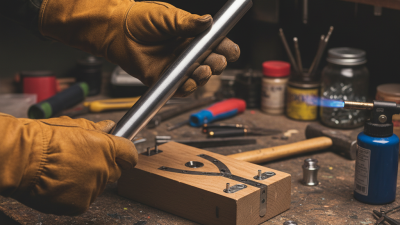
When using burr rotary files, safety should always come first. According to the American National Standards Institute (ANSI), personal protective equipment (PPE) is essential. This includes goggles, gloves, and dust masks. Flying debris can cause serious injuries. The use of PPE minimizes risks and ensures that you can focus on your project without fear of accidents.
Proper maintenance of burr rotary files can enhance their performance significantly. Regular cleaning is vital. Dust and debris can affect the cutting efficiency. It is advisable to clean your files with a brass brush after each use. This practice prevents clogging and extends the life of your tools. Reports from the Woodworking Machinery Industry Association (WMIA) suggest that neglecting maintenance can reduce tool effectiveness by up to 40%.
Choosing the right speed is crucial. Burrs operate best at recommended RPMs. Too high of a speed can lead to overheating. This can damage the tool and affect your project quality. Remember to inspect your burrs for wear regularly. Professional craftsmanship demands attention to detail, and worn tools can result in subpar work. Ultimately, the effectiveness of burr rotary files largely depends on how well you maintain them.