2026 How to Choose the Best Tungsten Metal Rod for Your Needs?
Choosing the right Tungsten Metal Rod is crucial for many industrial applications. Experts suggest that understanding your specific needs can make a significant difference. John Matthews, a leading authority in materials engineering, once said, “Selecting the right tungsten rod can enhance productivity and reduce costs.”
When you explore the choices available, consider factors like diameter, length, and grade. Different industries require varying specifications, which can be overwhelming. Tungsten Metal Rods are known for their durability and high melting point. Yet, not all rods are the same; selecting the wrong one could lead to inefficiencies.
Additionally, the market is flooded with options. This can create confusion and uncertainty. It’s essential to reflect on the particular requirements of your project. Addressing these specifics can guide you toward the most effective Tungsten Metal Rod for your needs.
Understanding the Different Types of Tungsten Metal Rods Available
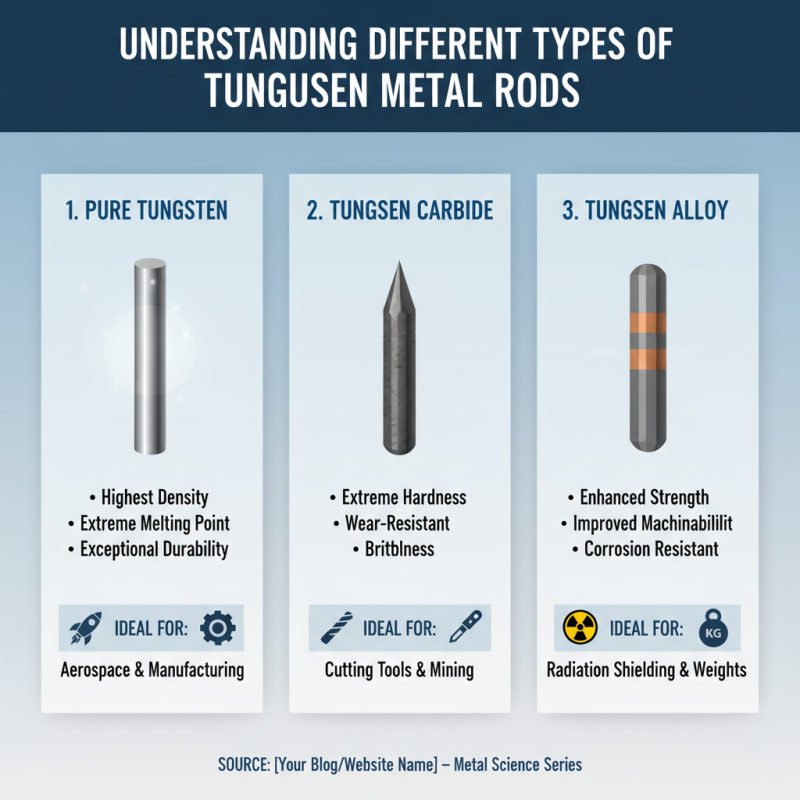
When considering tungsten metal rods, it is crucial to understand the various types available. Tungsten rods come in different forms, such as pure tungsten, tungsten carbide, and tungsten alloy. Pure tungsten is known for its high density and melting point, making it ideal for applications requiring durability. It is commonly used in industries like aerospace and manufacturing.
Tungsten carbide, on the other hand, is a significant option for those requiring increased hardness and wear resistance. It is particularly effective in cutting tools and mining applications. Additionally, tungsten alloys offer a balance of properties, combining strength and flexibility. These rods can suit both welding and electrical applications, showcasing versatility.
Choosing the right tungsten rod involves assessing your specific needs. Consider the rod's application and the environment in which it will be used. While pure tungsten offers strength, tungsten carbide provides better wear properties. Reflect on these factors to make an informed decision. It’s a complex choice worth thorough investigation.
Key Factors to Consider When Choosing a Tungsten Metal Rod
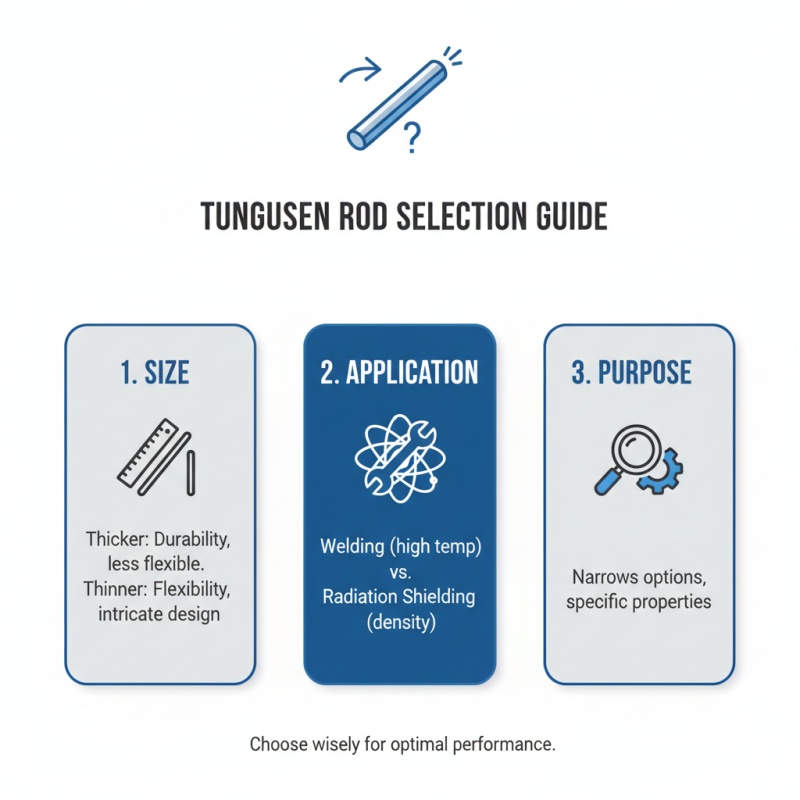
When choosing a tungsten metal rod, several key factors come into play. The size of the rod is critical. Thick rods offer greater durability but can be harder to work with. Thin rods provide flexibility, allowing for intricate designs. Consider the application. A rod for welding needs different properties than a rod for radiation shielding. Understanding the purpose helps narrow down options.
The purity of tungsten is another major aspect. Higher purity means better performance, especially in high-temperature applications. Look for specifications that detail the tungsten's composition. Strength and density also matter. Denser rods can resist deformation but may be more expensive. Weigh the benefits against your budget constraints.
It’s essential to reflect on the sourcing and quality assurance processes. Whether you seek a low-cost option or a premium quality rod, ensure it meets industry standards. Not all suppliers are created equal. Some may promise high purity, but verifying this claims through reviews or certifications is vital. Balancing quality and cost requires careful consideration.
Comparing Tungsten Rods: Purity, Density, and Usage Applications
When choosing a tungsten metal rod, three key factors stand out: purity, density, and intended usage. Purity plays a significant role in determining the rod's performance. High-purity tungsten, typically above 99.9%, offers superior mechanical properties. It resists deformation under stress and has enhanced thermal properties. Lower purity may impair these qualities. If you're seeking durability and high thermal conductivity, select a rod with high purity.
Density is another crucial factor. Tungsten is one of the heaviest metals available. Its density affects its ability to serve in various applications. For instance, higher density rods are preferred in radiation shielding. They provide better protection due to their mass. Conversely, lower density options may be suitable for applications that require lightweight materials without sacrificing strength.
Usage applications vary widely. Tungsten rods are utilized in industries like aerospace, electronics, and welding. Each of these applications has unique requirements. Reflecting on your specific needs can help narrow your choices. Consider the environment in which the rod will be used. Certain rods might perform better under extreme temperatures or corrosive conditions. Take time to analyze these factors comprehensively before making a decision.
2026 How to Choose the Best Tungsten Metal Rod for Your Needs? - Comparing Tungsten Rods: Purity, Density, and Usage Applications
| Purity (%) |
Density (g/cm³) |
Usage Applications |
Diameter (mm) |
| 99.9 |
19.25 |
Aerospace, Medical Devices |
5 |
| 99.5 |
18.95 |
Electronics, Radiation Shielding |
10 |
| 98.5 |
18.50 |
Machining, Manufacturing |
15 |
| 97.0 |
18.00 |
Ballistics, Weapons |
20 |
| 95.0 |
17.80 |
Counterweights, Fishing Tackle |
25 |
Assessing the Cost and Availability of Tungsten Metal Rods
When considering the cost and availability of tungsten metal rods, it's crucial to assess market trends and sourcing methods. According to the International Tungsten Industry Association (ITIA), tungsten prices have fluctuated significantly in recent years. In 2021, the average price for tungsten was approximately $275 per metric ton. By 2023, prices jumped to around $320 due to increased demand in various industries.
Availability can greatly impact your choice. Research indicates that over 70% of tungsten production comes from China, leading to potential supply chain disruptions. Countries like Rwanda and Portugal are also emerging as notable suppliers. Evaluating regional availability is essential to timely procurement. Sourcing directly from manufacturers may reduce costs but requires rigorous quality assurance measures.
Lastly, consider potential trade tariffs and regulations that may affect pricing. Recent reports show that tariffs in certain regions could increase costs by up to 15%. Understanding these elements ensures you make a well-informed decision. Reflecting on these factors will guide you toward the best tungsten rod for your specific needs.
Cost and Availability of Tungsten Metal Rods (2023)
Tips for Maintaining and Handling Tungsten Metal Rods Properly
Maintaining tungsten metal rods is essential for their longevity and optimal performance. Always clean them after use to remove dust and grime. A simple cloth can suffice for basic cleanup. Avoid harsh chemicals, as these can damage the rod’s surface and structure. It’s crucial to inspect the rods regularly. Look for any signs of wear or cracking; even small imperfections can lead to bigger issues later.
Handling tungsten rods requires caution. They are dense and heavy, so proper lifting techniques are necessary. Always use gloves to prevent skin oils from transferring to the metal. This can affect the properties of the rod during high-temperature applications. Store tungsten rods in a dry, cool place to prevent moisture accumulation. Use protective cases or sleeves to prevent scratches or any unintended impacts.
It's important to reflect on your use of tungsten rods. Are you consistently following best practices? If you rush through maintenance, you might miss critical steps. Consider documenting your handling processes. This reflection helps improve your techniques. With careful attention, you can ensure that your tungsten rods serve you well for years.