How to Choose the Right Tungsten Blank for Your Project?
Choosing the right Tungsten Blank is critical for any machining project. The precision of your final product often hinges on this decision. According to a recent industry report, the use of Tungsten Blanks has increased by 25% over the past two years. This growth reflects a wider trend in manufacturing industries that prioritize durability and performance. Industry expert Dr. John Smith states, "Selecting the proper Tungsten Blank can significantly enhance machining efficiency and reduce tool wear."
Tungsten Blanks are known for their high density and excellent wear resistance. This makes them suitable for a variety of applications, including aerospace and medical devices. However, not all Tungsten Blanks are created equal. Variations in purity and size can lead to issues in production. Many manufacturers overlook these factors, which may result in unexpected project complications.
While the advantages of Tungsten Blanks are clear, making an informed choice can be challenging. A thorough understanding of the project requirements is essential. In an evolving industry, staying informed is key. Proper research and expert guidance can lead to better outcomes. The journey of selecting the right Tungsten Blank may not always be straightforward, but it is undoubtedly vital for success in your engineering endeavors.

Understanding Tungsten Blanks and Their Applications
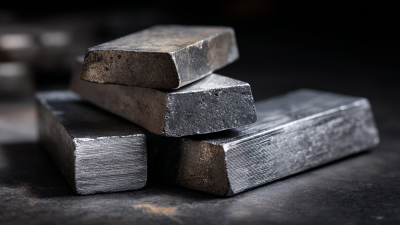
Tungsten blanks are essential in various industries due to their durability and versatility. These materials are often utilized in applications ranging from aerospace and automotive manufacturing to medical devices. According to a report by Research and Markets, the global tungsten market is projected to reach $3.1 billion by 2025. This growth underscores the importance of understanding tungsten blanks for specific project needs.
When selecting a tungsten blank, consider the application's specific requirements. Tungsten's tensile strength often exceeds 1510 MPa, making it ideal for high-stress environments. However, the density of tungsten, around 19.3 g/cm³, can create challenges in certain designs. Designers must carefully balance these properties with their project goals, often requiring adjustments or compromises.
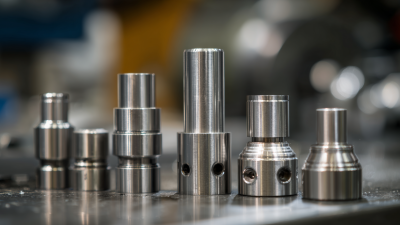
Notably, the thickness and dimensions of tungsten blanks can significantly impact performance. Many industry professionals report that precise tolerances are crucial, with a variance of just a few millimeters potentially affecting the end product's functionality. In some cases, further testing or refinements may be necessary to achieve desired outcomes, fostering a cycle of continuous improvement.
Evaluating the Key Properties of Tungsten for Your Project
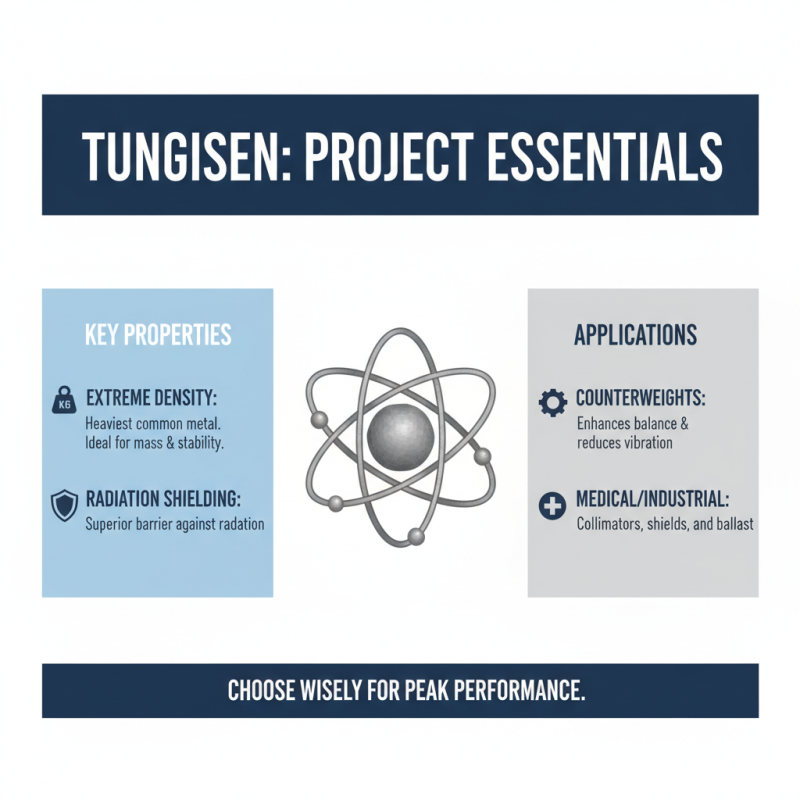
Choosing the right tungsten blank is crucial for your project. Tungsten offers unique properties that can significantly impact performance. Density is a key characteristic. Tungsten is one of the heaviest metals, making it ideal for applications requiring mass and stability. This density can enhance the effectiveness of counterweights and radiation shielding.
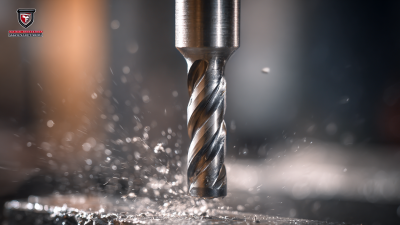
Another important property is hardness. Tungsten is highly resistant to scratching and wear. This makes it suitable for cutting tools and experiences intense friction. The temperature resistance of tungsten is remarkable too. It withstands high temperatures well, crucial for industries where heat is a factor. However, there can be challenges with machining. Cutting tungsten requires specialized techniques due to its toughness.
Finally, consider the cost-effectiveness of the tungsten blank. While it can be expensive, the durability may offset the initial investment. Be prepared to reflect on the specific needs of your project. Identifying how each property aligns with your goals is essential. Consider various options in both quality and price. This approach will help refine your selection process.
Identifying the Right Size and Shape for Your Tungsten Blank
Choosing the right size and shape for your tungsten blank can significantly impact your project's outcome. Start by assessing your project's specific requirements. Are you crafting small components or larger pieces? For intricate designs, a smaller, more detailed blank may be necessary. For heavier applications, opt for a larger, robust blank.
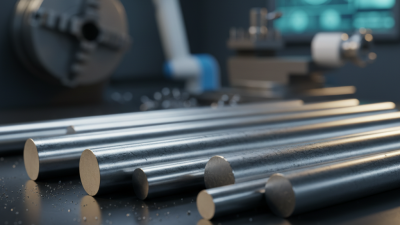
Consider the shape of your tungsten blank as well. Flat sheets are ideal for precision cutting and machining. In contrast, cylindrical shapes suit applications involving rotation or wear. Each shape influences how easily you can manipulate the material and achieve your desired results.
Remember that tungsten is dense and can be challenging to work with. Whether you use hand tools or sophisticated machinery, think about how the size and shape will affect your workflow. Reflect on past projects where size or shape was a problem. Learning from those experiences can guide you to make better choices. Adjusting dimensions can make the difference between success and frustration.
How to Choose the Right Tungsten Blank for Your Project? - Identifying the Right Size and Shape for Your Tungsten Blank
| Dimension Type |
Recommended Sizes (mm) |
Common Shapes |
Best Applications |
| Diameter |
1.0 - 10.0 |
Round |
Machining and Welding |
| Thickness |
0.5 - 5.0 |
Flat |
Electrode Tips, Metal Casting |
| Length |
10 - 100 |
Rod |
Cutting Tools, High Performance Applications |
| Weight |
5 - 500 |
Blocks |
Ballast, Counterweights |
| Finish Type |
Polished, Rough |
Various |
Depending on Surface Requirement |
Comparing Different Grades and Purities of Tungsten Blanks
When choosing tungsten blanks, understanding their grades and purities is critical for your project's success. Tungsten is available in various forms, with purities typically ranging from 90% to 99.99%. Higher purity levels usually lead to improved performance and durability. For example, 99.95% pure tungsten is often used in applications requiring extreme toughness and resistance to high temperatures. According to industry research, higher-grade tungsten blanks show a notable reduction in brittleness, enhancing their usability in demanding environments.
Different grades also impact the tensile strength of tungsten. While lower grades like 90% might suffice for less critical uses, the benefits of higher grades are compelling. Studies indicate that 99.5% tungsten can withstand loads over 150,000 psi more effectively than its lower-grade counterparts. This increased strength translates to longer-lasting components in applications such as aerospace and medical technologies.
However, selecting the right grade isn't simply about choosing the highest purity. It depends on the specific needs of your project. For example, a lower-grade tungsten blank may suffice for weight applications where high impact resistance isn't vital. Careful consideration of your project’s requirements is essential. Avoiding the temptation of 'more is better' can save costs and optimize performance.
Assessing Cost vs. Performance in Tungsten Blank Selection
When selecting a tungsten blank, the balance between cost and performance is crucial. A recent report from the Tungsten Industry Association indicates that prices for tungsten can vary significantly, influenced by market demand and production costs. High-performance tungsten blanks typically range from $50 to $200 per kilogram. However, opting for a lower-cost blank may compromise durability and precision, affecting the project’s overall success.
The specifics of your project often dictate the necessity of performance features. For instance, precision-engineered tungsten blanks allow for fine tolerances, which are critical in fields like aerospace and medical devices. Research from the Journal of Materials Science emphasizes that blanks designed for high-stress applications retain their integrity even under extreme conditions. On the other hand, lower-quality options may not withstand harsh environments, leading to increased failure rates and potential delays in production.
Considering these factors, it's essential to evaluate the long-term implications of your choice. A less expensive blank may save initial costs but could lead to significant repair and replacement expenses. An informed decision requires weighing the upfront investment against potential performance gains. Reflecting on these variables can guide you toward a more rational conclusion, ensuring your final selection aligns with both your budget and project requirements.