2026 How to Choose Titanium Tungsten Carbide for Your Needs?
When selecting the ideal materials for various applications, Titanium Tungsten Carbide stands out due to its remarkable properties. This composite material pairs the lightweight benefits of titanium with the hardness and wear resistance of tungsten carbide. Industry reports indicate that the global demand for Tungsten Carbide is projected to reach $14 billion by 2026, highlighting its growing importance.
Choosing the right Titanium Tungsten Carbide can greatly affect performance in high-stress environments. Its applications range from cutting tools to high-performance bearings. According to research, products utilizing this material can last up to 300% longer than those made from standard alternatives. This longevity can translate to significant cost savings and reduced downtime in industrial settings.
However, not all Titanium Tungsten Carbide products are created equal. Variations in quality and formulation can impact performance. It’s essential to assess your specific needs and consider factors like hardness, purity, and intended use. The right choice may require careful analysis and expert consultation. Balancing these elements ensures you make an informed decision that meets your operational requirements.
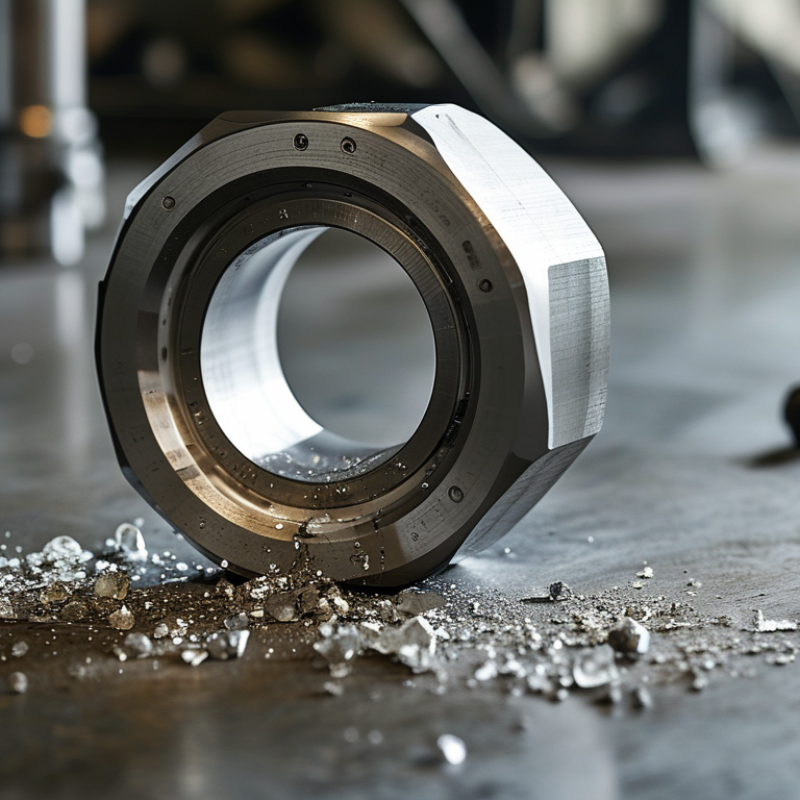
Understanding Titanium Tungsten Carbide: An Overview
Titanium tungsten carbide is a unique material combining strength and versatility. It is highly valued in various industries for its durability and resistance to wear. This makes it ideal for applications ranging from jewelry to industrial tools. Understanding these elements can help you make the right choices.
The composition of titanium tungsten carbide offers advantages, but there are limitations as well. It is not impervious to scratching and wear, like some might think. Regular maintenance is crucial in preserving its appearance and functionality. This material is often misunderstood; many assume it's completely maintenance-free. In reality, proper care enhances its longevity and performance.
Selecting titanium tungsten carbide requires careful consideration of your specific needs. Think about the environment it will be used in. Is it for everyday jewelry or heavy-duty applications? Each scenario demands different qualities from the material. Reflect on why you need this material. This understanding will guide you in making an informed choice.
Key Properties of Titanium Tungsten Carbide to Consider
When choosing titanium tungsten carbide, key properties matter significantly. This alloy combines titanium's lightweight nature with tungsten carbide's hardness, offering a unique blend of strength and versatility. It’s crucial to assess hardness levels, as they influence durability in demanding conditions. Harder materials resist wear but can be brittle. Finding a balance is essential.
Flexibility in design is another vital aspect. Titanium tungsten carbide can be formulated for various applications. Different compositions can alter physical properties. Therefore, understanding your specific requirements is important. Options vary from high thermal resistance to corrosion sustainability. Consider what environments the material will face.
Lastly, weigh the cost against performance. Although titanium tungsten carbide offers excellent durability, it may come at a higher price. Assess whether the longevity of the material justifies the investment for your particular needs. This reflection can guide a more informed choice. Each application has unique demands, so there’s no one-size-fits-all solution.
2026: How to Choose Titanium Tungsten Carbide for Your Needs?
This chart illustrates the key properties of titanium tungsten carbide that should be considered when making a selection. It includes parameters such as hardness, tensile strength, density, thermal conductivity, and melting point, providing a comprehensive overview for users.
Applications of Titanium Tungsten Carbide in Various Industries
Titanium tungsten carbide has gained traction across various industries due to its remarkable properties. This composite material exhibits outstanding hardness and excellent wear resistance. According to a recent market report, the aerospace sector is projected to drive a 7% CAGR in the demand for titanium composites. In aerospace applications, these materials ensure the longevity of aircraft components, thereby enhancing safety and performance.
Construction is another field benefiting from titanium tungsten carbide. Tools and machinery made from this composite can withstand extreme conditions and mechanical stress. A study by the International Journal of Advanced Manufacturing Technology indicated that titanium tungsten carbide tools have a 30% longer lifespan compared to traditional materials. This durability translates into reduced downtime and maintenance costs for construction companies.
However, selecting the right material can be challenging. Factors like cost, specific application requirements, and manufacturing processes need careful consideration. Some users may focus solely on hardness, overlooking other essential attributes like toughness and corrosion resistance. Industry experts suggest a balanced approach, as the optimal material often varies with each application and environment. More research and custom testing may be required for specific needs, highlighting the importance of professional consultation.
2026 How to Choose Titanium Tungsten Carbide for Your Needs?
| Industry |
Application |
Benefits |
| Aerospace |
Engine components |
High durability and wear resistance |
| Mining |
Drilling tools |
Enhanced toughness and reduced downtime |
| Manufacturing |
Cutting tools |
Precision and longer tool life |
| Oil & Gas |
Well drilling bits |
Resistance to high temperatures and corrosion |
| Medical Devices |
Surgical instruments |
Biocompatibility and sharpness retention |
| Automotive |
Engine and transmission components |
Increased efficiency and longevity |
Factors to Evaluate When Choosing Titanium Tungsten Carbide
When selecting titanium tungsten carbide for your projects, consider several crucial factors. These materials offer unique properties, making them suitable for various applications. One significant factor is hardness. Titanium tungsten carbide is known for its high hardness, which is essential in reducing wear. The specific hardness level can vary, so it's vital to choose one that fits your needs.
Another important aspect is the intended use. Different projects may require different grades of titanium tungsten carbide. For example, tools need tough materials to withstand extreme conditions. On the other hand, decorative items may prioritize aesthetics over mechanical performance. Identifying the primary purpose will guide your selection process.
Price is also a critical consideration. High-quality titanium tungsten carbide can be expensive. Balancing cost and functionality is key. Cheaper options might lead to performance issues or shorten lifespan. Evaluating your budget against the material's benefits will help ensure a better investment. Don't overlook this critical step in your selection process. Evaluation based on these factors will lead to informed decisions and satisfactory outcomes.
Comparing Alternatives: Titanium Tungsten Carbide vs. Other Materials
When selecting materials, titanium tungsten carbide stands out among alternatives. It offers impressive durability and wear resistance. This makes it ideal for various applications, from industrial tools to jewelry. However, some may overlook its drawbacks.
Other materials, like stainless steel and ceramics, have their own benefits. Stainless steel is more affordable and resistant to corrosion. Ceramic options are lightweight and highly scratch-resistant. Each alternative has its specific advantages and weaknesses. Comparing them helps in making informed decisions.
Understanding titanium tungsten carbide's properties is essential. It can withstand high temperatures and stresses. Yet, its brittleness under certain conditions can be a concern. Testing and experimentation may be necessary to find the best fit for particular needs. Consider factors like usage frequency and environmental conditions. Thoughtful evaluation leads to better outcomes.