How to Choose Tungsten Tooling for Your Manufacturing Needs?
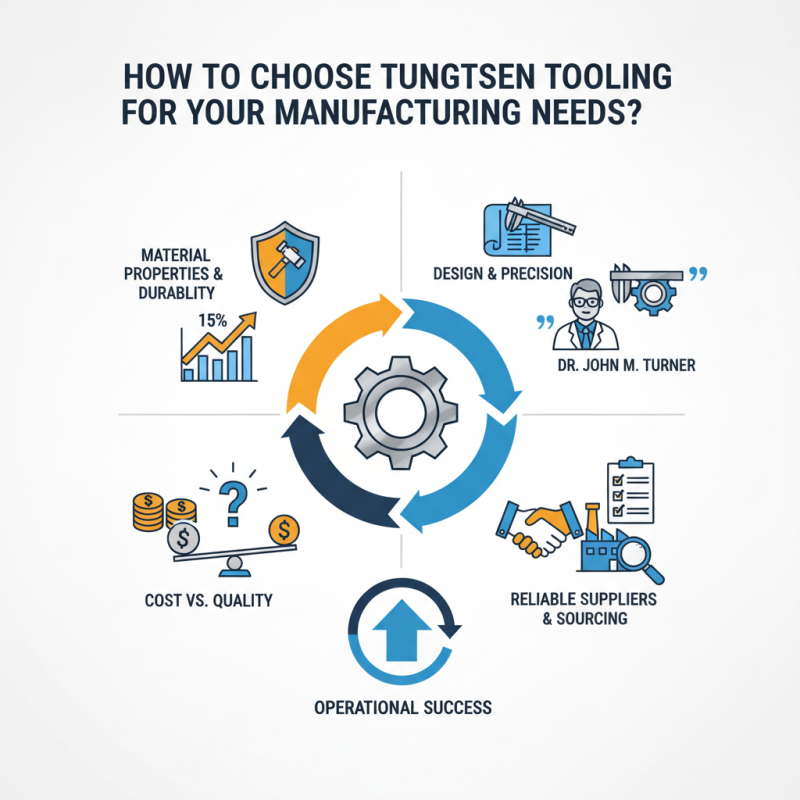
In the manufacturing sector, choosing the right tungsten tooling is crucial. According to a report by the International Tooling Association, the demand for tungsten tools is projected to grow by 15% annually. This surge reflects the material's durability and precision in various applications. Expert Dr. John M. Turner, a leading figure in tungsten research, states, "Tungsten tooling enhances efficiency and reduces production costs."
Manufacturers face challenges in selecting the best tooling solutions. They must consider factors like material properties, design, and intended use. Tungsten tooling possesses unique advantages, including high melting points and wear resistance. However, not all tungsten tools are created equal. Companies often struggle to balance cost and quality. Therefore, understanding specific needs is vital.
In addition, sourcing reliable suppliers is essential. The market is filled with options, but not all deliver true performance. A careful evaluation can prevent costly mistakes and delays in production. Ultimately, informed decisions about tungsten tooling can significantly impact operational success.
Understanding Tungsten Tooling Materials and Their Properties
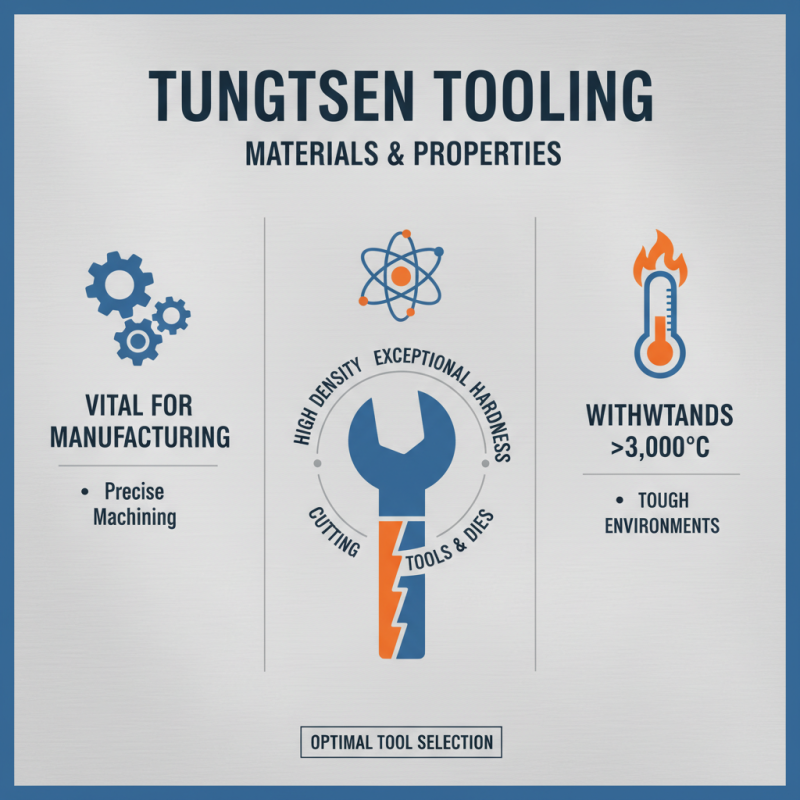
Tungsten tooling is vital for manufacturing, particularly in industries requiring precise machining. Understanding the materials and their properties ensures optimal tool selection. Tungsten boasts high density and exceptional hardness, making it ideal for cutting tools and dies. According to industry reports, tungsten tools can withstand temperatures exceeding 3,000 degrees Celsius, enhancing their performance in tough environments.
The primary properties of tungsten include wear resistance and thermal stability. Tungsten carbide, a composite of tungsten and carbon, offers superior hardness compared to other materials. This makes tungsten tooling last longer, reducing downtime and costs. Manufacturers using tungsten tooling can see up to a 30% increase in tool life compared to traditional steel options.
However, the initial cost of tungsten tooling can be a drawback. Companies must balance the investment against the potential for increased productivity. Not every application benefits from tungsten. It's essential to evaluate specific manufacturing needs carefully. In some cases, alternative materials might be more cost-effective. Therefore, understanding both the benefits and limitations of tungsten tooling is crucial for making informed decisions.
Factors Influencing Tungsten Tooling Selection in Manufacturing
Choosing the right tungsten tooling is essential for effective manufacturing. Various factors influence this selection process. One key aspect is the specific application in which the tooling will be used. Different manufacturing tasks require distinct tooling characteristics. Make sure you understand the demands of your project before making a choice.
Material composition also plays a significant role in tooling performance. Tungsten is known for its hardness and melting point. However, not all tungsten alloys perform the same way under stress. Consider how the tooling will interact with other materials. The nature of the production environment, such as temperature and pressure, matters too. Assessing these conditions can prevent costly mistakes.
Budget constraints can limit options. Quality might come at a higher price, but inferior tooling can lead to increased failures and downtime. Finally, consult with experienced professionals. Their insights can help navigate the complexities of tungsten tool selection. Don’t hesitate to revisit and rethink your choices as new information becomes available. This iterative approach promotes better outcomes in the long run.
Factors Influencing Tungsten Tooling Selection in Manufacturing
Cost Analysis: Investing in Tungsten Tooling vs. Other Materials
Investing in tungsten tooling offers significant advantages over conventional materials. A recent industry report indicates that tungsten carbide tools can outlast steel by up to 10 times. This longevity results in decreased downtime and fewer replacements, leading to lower lifetime costs. However, the initial investment for tungsten tooling can be higher. It's crucial to evaluate the long-term savings against upfront expenses.
Cost analysis reveals that while tungsten tooling may be 20-50% more expensive initially, the efficiency gains are notable. Businesses that prioritize durability often find that tungsten tooling pays off. A study by the International Journal of Advanced Manufacturing Technology pointed out that using tungsten can reduce production costs by as much as 30% over time. This is significant in high-stakes industries, where precision and reliability are paramount.
Tip: Before selecting tooling materials, conduct a comprehensive cost-benefit analysis. Factor in your production volume and the expected lifespan of the tools.
Remember to assess the performance needs of your specific manufacturing processes. Just because tungsten tools are robust doesn't mean they are always the best choice. Sometimes, cheaper materials are sufficient for less demanding applications. Choosing the right tooling is not just about price; it's about matching the material to the task.
Applications of Tungsten Tooling in Different Manufacturing Industries
Tungsten tooling is crucial across various manufacturing sectors. Its density and hardness make it highly suitable for cutting, shaping, and forming materials. For instance, the aerospace industry relies on tungsten for components that need precision and durability. A report by the International Aerospace Manufacturing Association indicates that tungsten-based tools can increase the lifespan of cutting instruments by up to 30%.
In the automotive industry, tungsten tooling is often used in die casting applications. This method ensures high tolerance, which is essential for producing complex automotive parts. According to the Automotive Tooling Association, the shift towards electric vehicles has further amplified the need for robust tooling solutions. Tungsten's performance under high temperatures supports the production of efficient engine components.
A different perspective comes from the medical device manufacturing sector. Here, tungsten is noted for its biocompatibility and resistance to wear. However, the high cost of tungsten can be a challenge. Manufacturers often struggle to balance expense and quality. Research published in the Medical Manufacturing Journal highlights that investing in tungsten tooling typically leads to lower failure rates, offering long-term savings despite higher upfront costs. Selecting the right tungsten tooling requires careful consideration of specific applications and budgets, ensuring that the advantages outweigh the drawbacks.
How to Choose Tungsten Tooling for Your Manufacturing Needs?
| Industry |
Application |
Benefits of Tungsten Tooling |
Considerations |
| Aerospace |
Precision machining for components |
High durability and resistance to deformation |
Cost vs. longevity balance |
| Automotive |
Cutting tools for engine components |
Increased tool life and efficiency |
Compatibility with existing machinery |
| Medical Devices |
Manufacturing surgical instruments |
High precision and biocompatibility |
Strict compliance requirements |
| Electronics |
Cutting and shaping circuit boards |
Fine detail cutting capability |
Potential for tool breakage due to brittleness |
| Tool and Die |
Molds for metal forging |
Exceptional wear resistance |
Initial higher cost but long-term savings |
Performance Metrics: Evaluating Tungsten Tooling Efficiency and Longevity
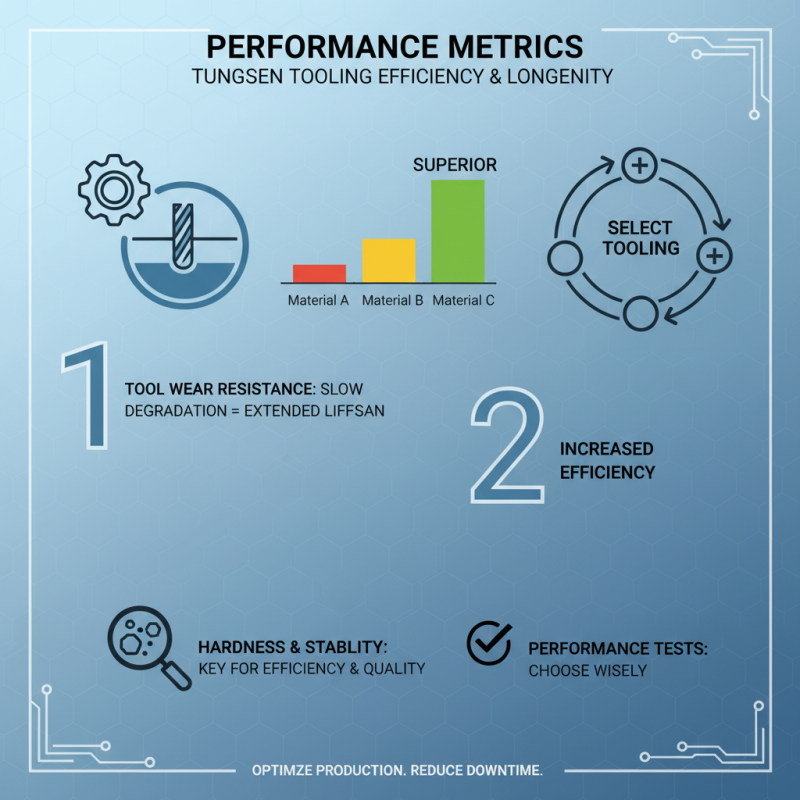
When evaluating tungsten tooling efficiency and longevity, several performance metrics come into play. Tool wear resistance is crucial. A tool that degrades slowly extends its lifespan. Performance tests often show significant differences among various tungsten materials. It's vital to select tooling with superior hardness and stability. This influences not only efficiency but also quality.
Heat resistance must not be overlooked. High temperatures can drastically reduce tooling performance. A good tungsten tool can withstand high heat, maintaining its shape and cutting ability. However, not all tungsten options handle heat the same way. Understanding the thermal properties of the material can lead to better manufacturing decisions.
Finally, analyzing the cost-effectiveness of tungsten tooling is essential. Durability leads to lower replacement costs over time. Yet, the initial investment might be higher. Factors such as machining speed and precision also affect overall efficiency. It's important to balance upfront costs against long-term savings. Sometimes, a less expensive option may result in frequent replacements, which is not ideal.