How to Effectively Drill Tungsten for Your Projects?
Drilling tungsten can be a challenging task due to its unique properties. This dense and durable metal is often used in various industrial applications. When drilling tungsten, you need the right tools and techniques to achieve precision. Missteps can lead to damage, wasted materials, or project delays.
Achieving effective results requires understanding the right drill bits and speeds. Tungsten is hard, meaning standard bits often won't cut through efficiently. Instead, specialized carbide drill bits are recommended. They can withstand the high pressures and temperatures generated during drilling. Using improper speeds can also hinder progress, leading to frustration.
It’s important to practice patience and precision while drilling tungsten. Each project offers lessons. Perhaps a simple adjustment could have led to smoother drilling. Reflecting on these experiences fosters improvement. Testing different approaches will enhance your skills over time. By dedicating effort to this learning curve, you can master the art of drilling tungsten effectively.
Understanding Tungsten's Unique Properties for Drilling Applications
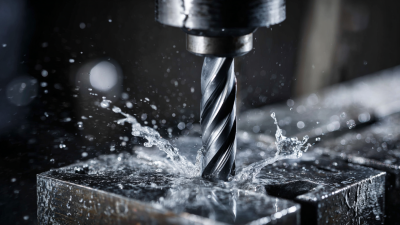
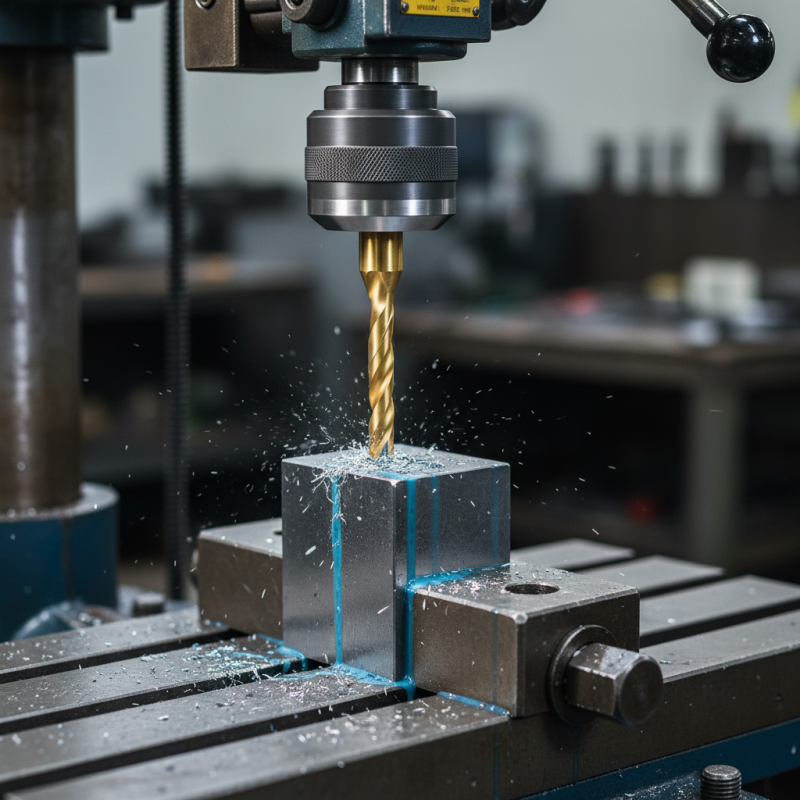
Tungsten possesses unique properties that make it a challenging material to drill. Firstly, its high density and hardness require specialized techniques. Standard drilling tools often struggle with tungsten's toughness. Understanding these properties is key to effective drilling. Proper equipment selection is essential. Carbide-tipped drill bits are popular choices for this task.
When drilling tungsten, controlling the temperature is crucial. Excessive heat can lead to tool wear or damage the material. Cooling techniques such as using cutting fluids can help. However, some users find that this process can be messy and difficult to manage. Adjusting drilling speeds also plays a vital role. Too fast can cause fractures. Too slow risks tool binding.
Practicing patience is important during this process. Several users report frustration when results don’t meet expectations. It’s vital to refine techniques over time. Taking the time to understand tungsten can lead to better outcomes. Consistent practice helps in becoming more proficient. Experimenting with different methods allows for improvement. This is a journey requiring reflection and adaptation.
Selecting the Right Drill Bits for Tungsten Materials
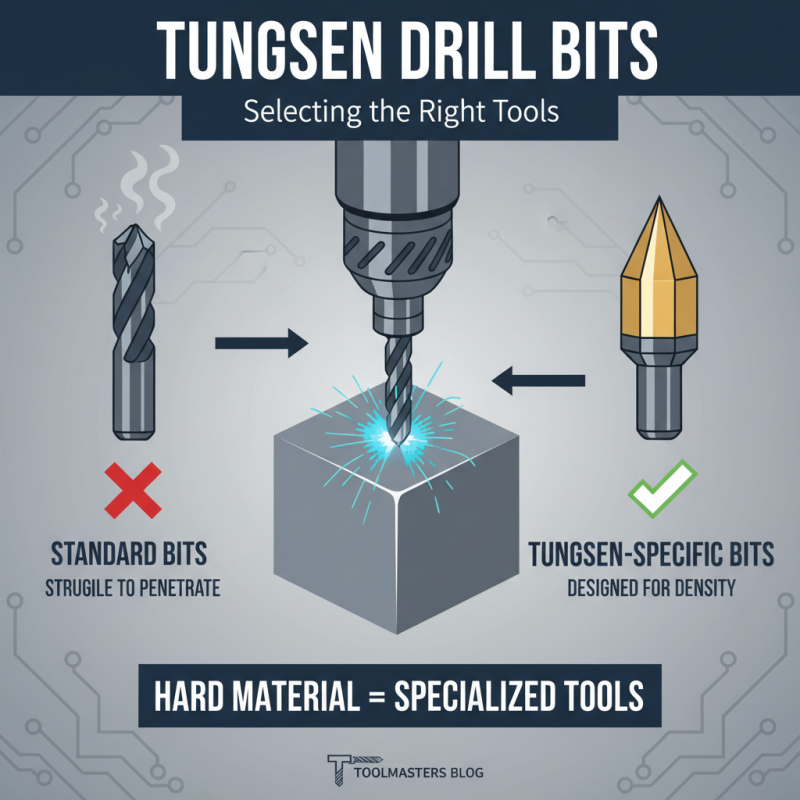
Selecting the right drill bits for tungsten is crucial. Tungsten is a hard material, often used in various applications. Standard drill bits may struggle to penetrate its dense structure. Hence, it’s essential to choose bits specifically designed for tungsten.
Carbide-tipped drill bits are often recommended for tungsten drilling. They offer better durability and cutting ability. Look for bits with a sharp tip to minimize wear during drilling. High-speed steel (HSS) bits can work, but they wear out quickly. Always consider the bit’s geometry. A point angle around 135 degrees can provide better performance.
Drilling efficiency can also depend on feed rate and speed. Slow speeds often yield better results with tungsten. However, pushing too hard can lead to overheating. Keep testing different approaches. There may be unexpected issues, like bit breakage. It’s essential to learn from these experiences to refine your technique.
Optimal Drilling Techniques and Speeds for Tungsten Alloys
Drilling tungsten requires careful consideration of techniques and speeds. Tungsten is a hard and dense material. It can dull bits quickly, so using the right tools is essential. Choose high-speed steel or carbide bits. Carbide drills last longer but are more brittle.
Speed control is crucial. Set your drill at lower speeds to avoid overheating. Speeds around 200-500 RPM work well for tungsten alloys. When in doubt, start slow. You can increase speed as you gauge the material's response. Always use a lubricant, like cutting oil, to aid the process. This helps reduce friction and improves bit longevity.
Proper pressure is important. Too much force can cause breakage. Conversely, too little pressure may lead to inadequate drilling. Listen to the drill’s feedback. Adjust accordingly when you notice changes in sound or resistance. Experimentation will help refine your technique. Each project may warrant slightly different methods. Keep records of your experiences to improve future efforts.
How to Effectively Drill Tungsten for Your Projects? - Optimal Drilling Techniques and Speeds for Tungsten Alloys
| Drilling Technique |
Recommended Speed (RPM) |
Feed Rate (mm/rev) |
Cooling Method |
Bit Material |
| High-Speed Steel (HSS) Drilling |
400 - 600 |
0.05 - 0.1 |
Flood coolant |
HSS |
| Cobalt Drill Bits |
300 - 500 |
0.02 - 0.05 |
Oil-based coolant |
Cobalt |
| Carbide Drilling |
600 - 1000 |
0.01 - 0.03 |
MQL (Minimum Quantity Lubrication) |
Carbide |
| Diamond Coated Bits |
700 - 1200 |
0.015 - 0.04 |
Air mist cooling |
Diamond |
Coolant and Lubrication Strategies for Tungsten Drilling
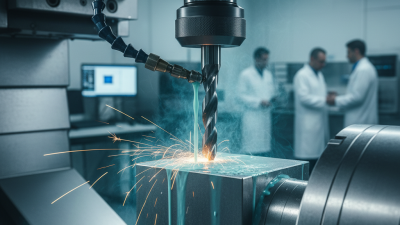
When drilling tungsten, using the right coolant and lubrication strategies can significantly enhance the process. Tungsten is dense and hard, which makes drilling challenging. A proper coolant reduces heat. It also helps in removing debris during drilling. Water-based coolants are popular. They prevent overheating and extend tool life. However, they can cause corrosion over time, necessitating careful management.
Oil-based lubricants are another option. They provide excellent lubrication, reducing friction. This can be particularly useful when drilling deep holes. However, they may increase the risk of tool wear. Mixing oils with additives can improve performance. Remember to consider the environment when choosing lubricants. Some options may create hazardous waste.
Trial and error is often part of the drilling process when it comes to selecting the ideal coolant or lubricant. You might find that a specific combination works better for your setup. Documenting these findings can save time in future projects. Don't be afraid to adjust strategies if results aren't as expected. Each project can present unique challenges.
Common Challenges and Solutions When Drilling Tungsten
Drilling tungsten presents unique challenges due to its incredible hardness. One common issue is tool wear. Research shows that tungsten can lead to significant erosion of drill bits. A study by the American Society of Mechanical Engineers noted that drill bits could lose effectiveness after 15-20 minutes of continuous drilling into tungsten. This highlights the need for durable bits made from specialized materials.
Heat generation is another concern. When drilling, friction produces high temperatures. Cooling methods, such as using a coolant or lubricant, become essential. A recent technical report emphasized that proper cooling reduces the chance of thermal deformation. Drill speeds also need careful consideration. Slower speeds reduce heat but can extend project timelines.
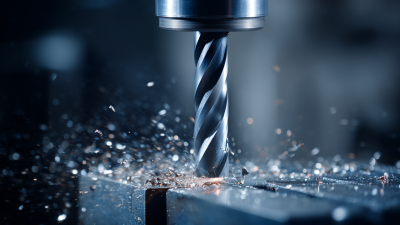
Chip removal often causes problems too. Tungsten produces small, heavy chips that clog the drill bit. Operators might need to pause frequently to clean out chips. This can disrupt workflow and impact project efficiency. Addressing these challenges requires adapting techniques and employing specialized tools. Operators must be prepared to adjust their strategies based on project requirements and equipment capabilities.