How to Source Tungsten Carbide Metal for Your Business Needs?
In today's industrial landscape, sourcing high-quality Tungsten Carbide Metal is essential for various manufacturing needs. According to a recent report by Market Research Future, the global Tungsten Carbide market is expected to reach USD 34 billion by 2026, driven by its demand in cutting tools and wear-resistant applications. This substantial growth highlights both opportunities and challenges in procurement.
Expert opinions underscore the importance of understanding sourcing strategies. Dr. Emily Chen, a renowned material scientist, stated, "Quality sourcing of Tungsten Carbide Metal can significantly impact production efficiency." Her insights reflect the need for businesses to prioritize quality over cost in procurement processes. Sourcing decisions must carefully consider supplier reliability, material grade, and technological advancements in the tungsten carbide industry.
Furthermore, environmental and ethical sourcing has become increasingly relevant. Companies that fail to address sustainability in their supply chains may face reputational risks. The journey of obtaining Tungsten Carbide Metal is not without obstacles, requiring reflection on supplier practices and material origins. Balancing cost, quality, and ethics is vital for long-term success.
Understanding Tungsten Carbide: Composition and Properties
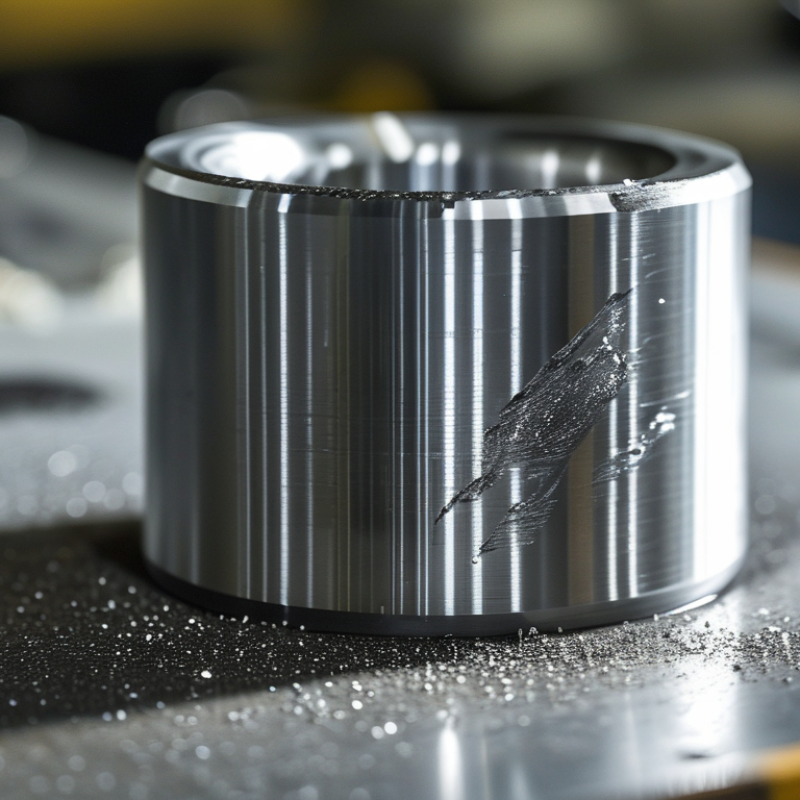
Tungsten carbide is a compound made of tungsten and carbon atoms. This material is known for its exceptional hardness. It is often used in various industrial applications, including cutting tools and wear-resistant parts. The combination of these elements results in a dense, durable metal that can withstand extreme conditions. Its hardness is rated between 8.5 and 9 on the Mohs scale, making it ideal for heavy-duty use.
The properties of tungsten carbide include impressive wear resistance and high tensile strength. This makes it suitable for manufacturing high-performance tools. However, working with tungsten carbide can pose challenges. Its brittleness means it can crack under sudden impact. Moreover, the machining process requires specialized equipment and expertise. A lack of proper tools can lead to subpar products. Understanding these properties can help businesses make informed decisions when sourcing tungsten carbide.
Identifying Your Business Needs for Tungsten Carbide Metal
When sourcing tungsten carbide metal, understanding your business needs is crucial. Tungsten carbide is renowned for its hardness and durability. It finds applications in various industries, such as mining, manufacturing, and construction. Identifying the specific requirements of your operations is the first step. Consider factors like the environment in which the material will be used. Will it face high pressure or corrosion? Clarifying these details helps narrow your options.
Next, evaluate the specifications necessary for your products. Different grades of tungsten carbide offer varied properties. Some may be better suited for cutting tools, while others excel in wear-resistant applications. Additionally, consider the volume and frequency of your purchases. Are you looking for a one-time supply or a long-term partnership? It’s essential to reflect on your production capacity as well.
Keep in mind the importance of supplier reliability. A dependable source ensures consistent quality and timely delivery. Research potential suppliers and examine their track records. Reading reviews can provide insights, but don’t rely solely on them. Personal experiences can vary, and it's wise to conduct due diligence. Balancing quality and cost is a challenge. Some suppliers may offer attractive prices, but the trade-offs could affect product performance.
Exploring Reliable Suppliers for Tungsten Carbide
Finding reliable suppliers for tungsten carbide is crucial for any business needing this durable metal. Start by researching various suppliers online. Look for suppliers who specialize in tungsten carbide and have a solid reputation.
Online reviews can provide insights into their reliability and quality of products. However, not all glowing reviews are accurate.
Engaging in industry forums can lead you to trusted sources. Many experts share their experiences with suppliers and can provide advice. Remember to evaluate potential partners by asking for samples. This step is vital to assess the quality before committing to a larger order. Pay attention to delivery times and customer service; both reflect a supplier's reliability.
It’s important to verify certifications that ensure the tungsten carbide meets industry standards. Many suppliers claim high quality but do not back it up. Look for transparency in their production processes. Flaws can exist in both product and communication. Reflecting on past decisions can guide future choices. Ensure you build relationships with suppliers who prioritize integrity and quality.
Evaluating Cost Factors and Pricing Strategies
Sourcing tungsten carbide metal involves navigating various cost factors. Understanding these elements can significantly impact your pricing strategies. According to recent industry reports, the price of tungsten carbide can fluctuate due to market demand, raw material availability, and geopolitical factors. For example, the global market for tungsten carbide is projected to grow at a CAGR of 5% over the next five years. This growth influences pricing and should be considered in your budget.
When evaluating costs, consider the supplier's location and production capabilities. Transportation costs can rapidly increase total expenses. Additionally, smaller orders often incur higher per-unit costs. Researching bulk buying options can mitigate this. Many businesses report savings of up to 20% by purchasing larger quantities.
Tip: Always request multiple quotes from suppliers. Comparing prices can reveal significant differences in cost. Keep an eye on market trends. Prices can rise or fall unexpectedly, making timing crucial.
It's essential to reflect on your negotiation strategies as well. Some transactions need different approaches. Be ready to adapt and find the best balance between cost and quality.
Cost Comparison of Tungsten Carbide Suppliers
Best Practices for Quality Assurance in Sourcing Tungsten Carbide
When sourcing tungsten carbide, quality assurance is paramount. Start by understanding the specifications required for your application. This metal is known for its hardness and durability, making it suitable for various industrial uses. However, not all suppliers maintain the same quality control measures. Evaluating their processes can help ensure the material meets your business standards.
Inspecting certifications is essential. Look for suppliers with recognized industry certifications. These demonstrate a commitment to producing reliable materials. Test batches can also reveal the integrity of the tungsten carbide. It’s common for companies to assume all sourced materials are equivalent, but inconsistencies may arise. Regularly assessing sample products will help catch any discrepancies early.
Engaging directly with suppliers can highlight their expertise. Ask about their sourcing and production methods. A knowledgeable supplier will willingly share information. Trust your instincts; if the communication feels off, it might reflect the quality of their products. Documenting every step will create a traceable quality assurance path. This approach can protect against future issues and build long-term reliability in your supply chain.
How to Source Tungsten Carbide Metal for Your Business Needs? - Best Practices for Quality Assurance in Sourcing Tungsten Carbide
| Dimension |
Measurement Unit |
Quality Grade |
Applications |
Supplier Region |
| 6mm |
Diameter |
Grade A |
Drills, Cutting Tools |
China |
| 8mm |
Diameter |
Grade B |
Mining Tools |
Germany |
| 10mm |
Diameter |
Grade A |
Aerospace Components |
USA |
| 12mm |
Diameter |
Grade C |
Industrial Applications |
India |
| 5mm x 5mm |
Block Size |
Grade A |
Machining |
Taiwan |