Top 10 Titan Carbide Suppliers in China for Global Buyers?
The demand for Titan Carbide has seen significant growth in various industrial sectors. This material is prized for its hardness and durability, making it ideal for cutting tools and wear-resistant applications. As global buyers seek reliable suppliers, the complexity of navigating the Chinese market becomes evident.
China is home to numerous Titan Carbide suppliers. Each company offers unique products and services. However, the challenge lies in identifying trustworthy suppliers amidst this vast landscape. Some companies excel in quality, while others may fall short. Buyers must conduct thorough research to avoid potential pitfalls.
In the competitive realm of Titan Carbide, understanding supplier capabilities is crucial. Evaluating experience, product quality, and customer service can provide valuable insights. As buyers explore options, learning from others’ experiences may highlight areas for improvement and reflection.

Overview of Titan Carbide and Its Applications in Various Industries
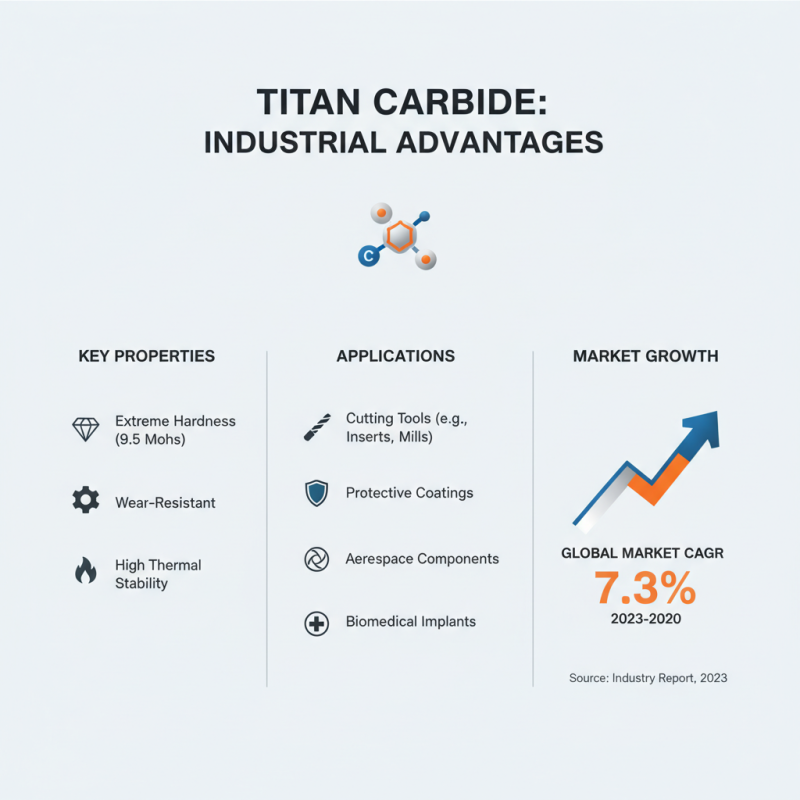
Titan carbide, a compound primarily composed of titanium and carbon, has gained significant traction in various industries due to its impressive properties. This material demonstrates remarkable hardness, making it suitable for cutting tools and wear-resistant applications. According to a recent industry report, the global market for titanium carbide is projected to grow at a CAGR of 7.3% from 2023 to 2030.
In the manufacturing sector, titan carbide's thermal stability is crucial. It enables the production of tools that can withstand high temperatures during machining processes. This resilience leads to reduced tool wear and increased efficiency. Moreover, the construction industry benefits as titan carbide is utilized in abrasion-resistant coatings, ensuring longevity and durability in demanding environments. Interestingly, while much of the research underscores its advantages, there are still concerns about its cost and sourcing challenges.
Furthermore, titan carbide’s presence in the aerospace industry is notable. Its lightweight and strength-to-weight ratio support advancements in component design. However, suppliers face issues like high production costs and inconsistent quality. These factors demand ongoing scrutiny and innovation to maintain competitive advantages in a rapidly evolving market. Addressing these challenges will be essential for companies aiming to harness the full potential of titan carbide.
Factors to Consider When Choosing Titan Carbide Suppliers in China
When choosing titan carbide suppliers in China, several factors warrant consideration. Quality control practices are crucial. A reliable supplier should have strict standards for their products. Inspect their certifications and quality assurance processes. It's essential to know how they monitor production consistency.
Communication is another vital element. Suppliers should be responsive and willing to address your concerns. Good communication can prevent misunderstandings in product specifications and delivery timelines. If they are hard to reach, it may indicate issues in managing relationships.
Tips: Always ask for product samples before committing. This helps you assess the quality firsthand. Additionally, look for suppliers with a proven track record. Research their history and customer feedback. A strong reputation often suggests reliability.
Another aspect to ponder is pricing. While it's tempting to choose the lowest bid, this can lead to compromises in quality. Evaluate the pricing in relation to the features and durability of the products. Sometimes, paying more upfront can save you money in the long run.
Top 10 Titan Carbide Suppliers in China
Top 10 Titan Carbide Suppliers: Company Profiles and Key Offerings
When sourcing titan carbide, global buyers seek reliable suppliers in China. These suppliers often specialize in high-tech materials. They play a crucial role in various industries, including manufacturing and construction. Understanding their offerings is essential for making informed decisions.
Many titan carbide suppliers emphasize advanced technology. They provide customized products tailored to specific needs. Quality control is another focus area. Companies often implement stringent testing procedures. However, some suppliers may struggle with consistent quality. Buyers should conduct thorough research to evaluate their capabilities.
The supplier landscape is diverse. Some companies specialize in large-scale production, while others excel in niche markets. Prices can vary significantly based on quality and specifications. Communication is vital throughout the process. Clear dialogue can mitigate misunderstandings and enhance trust. Buyers must remain vigilant and proactive to ensure a successful partnership.
Market Trends and Demand for Titan Carbide in Global Industries
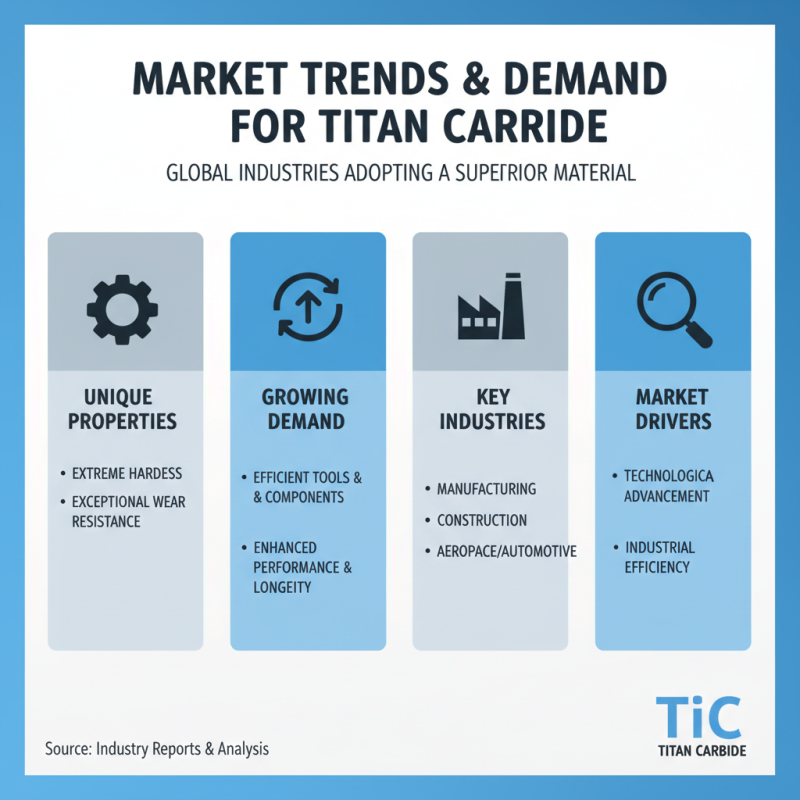
Titan carbide is gaining prominence across various global industries. Its unique properties, such as hardness and wear resistance, make it a valuable material in manufacturing and construction. The rising demand for efficient tools and components is driving the market growth. Many industries are incorporating titan carbide in their products, hoping to enhance performance and longevity.
Recent trends show an increase in investment in manual and automated manufacturing technologies. Companies are seeking more sustainable and cost-effective options. This shift leads to greater adoption of titan carbide in cutting tools and wear parts. However, fluctuating raw material costs pose a challenge for suppliers. A balance between quality and affordability is essential for maintaining competitiveness in the market.
Moreover, there's a growing awareness of environmental issues related to extraction and production processes. Buyers are looking for suppliers who prioritize eco-friendly practices. This demand calls for suppliers to rethink their strategies. Transparency in supply chains is increasingly important to build trust with global clients. As the titan carbide market evolves, both suppliers and buyers face reflections on their practices and future directions.
Navigating Supply Chain Challenges for Titan Carbide Products in China
Navigating supply chain challenges for titan carbide products in China requires a keen understanding of the market. China is the largest producer of titan carbide, contributing over 60% of the global supply. This dominance presents both opportunities and complexities for international buyers. Sourcing titan carbide necessitates careful evaluation of suppliers, quality assurance practices, and potential geopolitical risks that can disrupt supply chains.
Recent industry reports show that delays in logistics can lead to significant cost increases. According to the World Economic Forum, global supply chain disruptions have risen by 5% in the last two years. Buyers must actively monitor these fluctuations. Collaborating with local experts may help mitigate risks associated with procurement and transportation. Proper due diligence during supplier selection becomes crucial, ensuring that manufacturers adhere to international standards.
Additionally, fluctuating raw material prices impact the availability of titan carbide. Reports suggest that prices for the essential components have risen by 18% over the last 12 months. Such volatility creates an unpredictable environment for global buyers. Evaluating the financial stability of suppliers can provide insights into their ability to sustain production amid price variations. Establishing long-term partnerships may also contribute to overcoming these challenges in a complex landscape.
Top 10 Titan Carbide Suppliers in China
| Supplier Rank |
Location |
Annual Production Capacity (tons) |
Main Products |
Export Markets |
Certification |
| 1 |
Wuhan |
5000 |
Titanium Carbide Tools |
North America, Europe |
ISO 9001 |
| 2 |
Shenzhen |
3000 |
Titan Carbide Inserts |
Asia, Africa |
ISO 14001 |
| 3 |
Beijing |
7000 |
Carbide Blades |
Middle East, Europe |
CE |
| 4 |
Shanghai |
4000 |
Cutting Tools |
Worldwide |
ISO 9001, ISO 14001 |
| 5 |
Hangzhou |
2000 |
Titanium Carbide Wire |
South America, Australia |
SGS Certified |
| 6 |
Xiamen |
5500 |
Drilling Tools |
Europe, North America |
TS16949 |
| 7 |
Nanjing |
3000 |
Carbide Tips |
Asia, Europe |
ISO 9001 |
| 8 |
Guangzhou |
4500 |
Wear Resistant Tools |
Middle East, Africa |
ISO 14001 |
| 9 |
Shijiazhuang |
3800 |
Milling Tools |
North America, Asia |
CE |
| 10 |
Tianjin |
5200 |
Custom Titanium Carbide Products |
Worldwide |
ISO 9001, TS16949 |