2026 Top Tungsten Carbide Products for Global Buyers?
In the constant evolution of manufacturing, Tungsten Carbide has emerged as a critical material. Known for its exceptional hardness and wear resistance, it plays a vital role across various industries. Buyers worldwide seek the best products to enhance their operations. The year 2026 presents exciting opportunities for both suppliers and buyers of Tungsten Carbide products.
Understanding the nuances of this material is essential for making informed decisions. It has applications in cutting tools, mining equipment, and industrial machinery. Each category has unique specifications and requirements. However, not all products meet the necessary standards. Buyers need to be cautious when selecting suppliers. Quality assurance and testing are crucial factors to consider.
It's also important to stay updated on industry trends and innovations. As technology advances, new applications for Tungsten Carbide continue to emerge. Yet, the market can be unpredictable. Price fluctuations and supply chain challenges highlight the need for strategic planning. Buyers must reflect on their requirements and prioritize quality over cost. The focus should be on reliable partnerships that ensure long-term success.

Top Tungsten Carbide Products: Market Overview and Trends for 2026
The tungsten carbide market is poised for growth in 2026, driven by diverse applications and technological advancements. According to a recent industry report, the market is expected to reach $21 billion by 2026, growing at a CAGR of 6.5% from 2021. The increasing demand for machining tools, wear-resistant components, and jewelry contributes significantly to this trend.
Industrial sectors, especially automotive and aerospace, are major consumers. Tungsten carbide’s durability makes it ideal for high-performance applications. A notable demand for eco-friendly alternatives is emerging, pushing industries to innovate more sustainable products. Interestingly, while the demand rises, challenges related to sourcing raw materials persist, affecting production costs.
Emerging markets in Asia-Pacific are witnessing a surge in tungsten carbide use. Countries like China and India are ramping up production, impacting global supply dynamics. However, issues related to recycling and waste management remain unresolved. The industry must improve its sustainability practices to meet regulatory standards and public expectations.
Key Applications of Tungsten Carbide Products in Various Industries
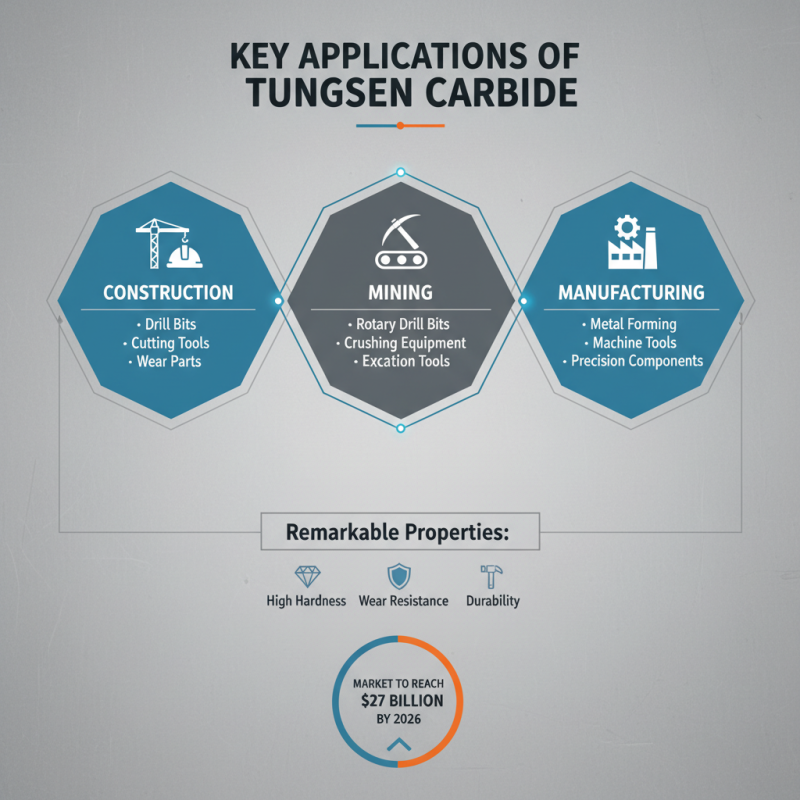
Tungsten carbide has become essential across various industries due to its remarkable properties. This material is known for its high hardness, wear resistance, and durability. According to a recent market analysis, the tungsten carbide products market is projected to reach $27 billion by 2026. This growth is fueled by increasing demand in sectors like construction, mining, and manufacturing.
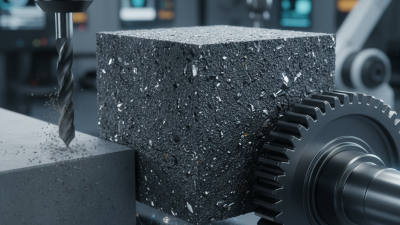
In the mining industry, tungsten carbide is crucial for producing drill bits and wear-resistant accessories. These tools enhance efficiency. In fact, they can last up to five times longer than their competitors. In the construction sector, carbide-tipped saw blades and tools are widely used, providing precision and longevity. With construction activities ramping up globally, this demand is unlikely to wane.
Moreover, the automotive sector employs tungsten carbide in various applications. Components such as engine valves and exhaust systems benefit from the material's resilience. However, some manufacturers face challenges in sourcing high-quality tungsten carbide consistently. This results in performance variances, highlighting a need for reliability. As industries continue to evolve, the role of tungsten carbide will remain significant, but attention to quality and standards is essential.
Projected Global Demand for Tungsten Carbide: Statistics and Insights
The demand for tungsten carbide is projected to escalate dramatically in the coming years. This material is widely recognized for its incredible hardness and resistance to wear. Industries such as mining, construction, and oil and gas rely heavily on tungsten carbide for tools and machinery. Current statistics indicate that the market size is expanding at a significant rate, driven by ongoing industrial growth.
In addition to traditional uses, tungsten carbide has applications in electronics and jewelry. The versatility of this material opens up numerous opportunities for manufacturers. However, the mining and production processes pose environmental challenges. Sustainable practices in sourcing and recycling tungsten carbide are increasingly essential. As global awareness grows, these concerns must be addressed.
Market analysis reveals key regions contributing to demand, including North America and Asia-Pacific. Despite the positive outlook, supply chain issues and fluctuating raw material prices remain concerning. Companies must navigate these obstacles to capitalize on the burgeoning market. The future of tungsten carbide relies on innovation, efficiency, and responsible practices.
2026 Top Tungsten Carbide Products for Global Buyers
| Product Type |
Projected Global Demand (Metric Tons) |
Market Growth Rate (%) |
Region with Highest Demand |
| Tungsten Carbide Cutting Tools |
45,000 |
5.2 |
North America |
| Tungsten Carbide Wear Parts |
30,000 |
4.7 |
Asia-Pacific |
| Tungsten Carbide Inserts |
25,000 |
6.1 |
Europe |
| Tungsten Carbide Mining Tools |
40,000 |
5.0 |
South America |
| Tungsten Carbide Dental Tools |
15,000 |
4.9 |
North America |
Innovations in Tungsten Carbide Manufacturing Techniques and Their Impact
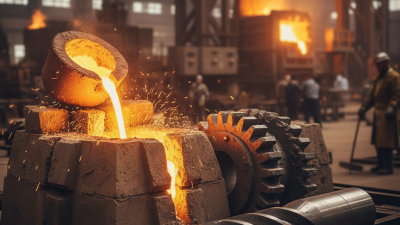
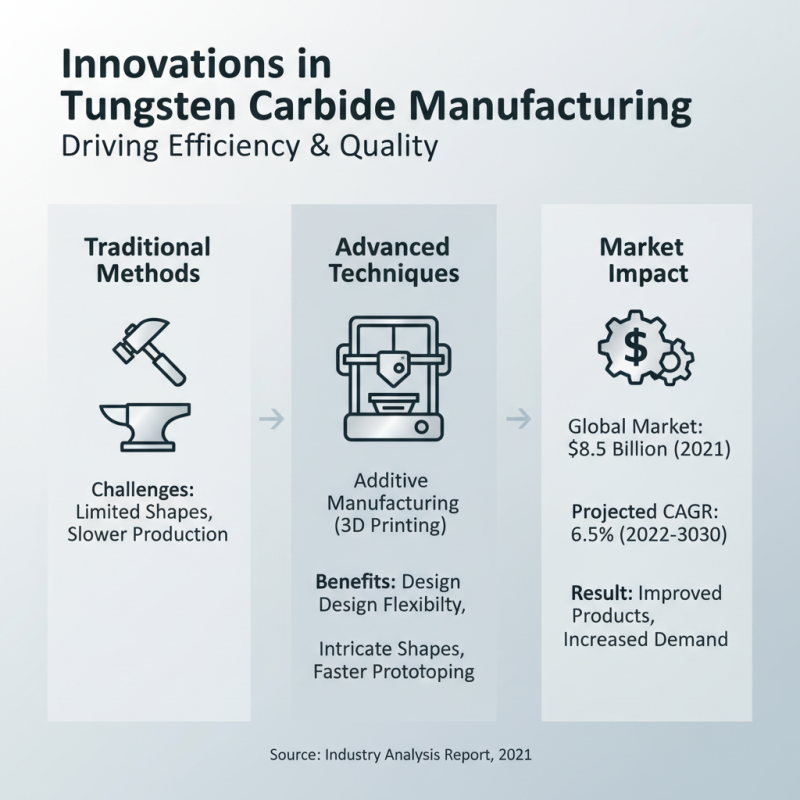
Tungsten carbide manufacturing techniques are evolving. Innovations are driving efficiency and product quality. Advanced methods, like additive manufacturing, enhance design flexibility. This allows for intricate shapes that traditional techniques struggle to produce. In 2021, the global tungsten carbide market was valued at approximately $8.5 billion, with a projected compound annual growth rate (CAGR) of 6.5% from 2022 to 2030, underscoring the demand for improved products.
New techniques also reduce waste. Efforts to reclaim and recycle materials are gaining traction. The industry has seen less reliance on virgin resources. This reflects a growing environmental awareness among manufacturers. In a recent study, around 40% of respondents noted their intent to explore sustainable practices. However, challenges remain in standardizing these methods, leading to varying quality across products.
Implementing high-tech solutions can be costly and complex. Some companies face hurdles in workforce training and development. Not all organizations have the expertise to transition smoothly. A report by an industry analyst highlighted that 30% of manufacturers still rely on outdated practices. This divide raises questions about competition and long-term viability. The path to innovation is not straightforward, but the rewards can reshape the tungsten carbide landscape.
Sustainability in Tungsten Carbide Production: Eco-Friendly Practices in 2026
In 2026, sustainability is becoming central to tungsten carbide production. Growing awareness of environmental impact drives eco-friendly practices. Reports indicate that over 70% of leading manufacturers are investing in greener technologies. For instance, recycling tungsten scrap is increasingly common. This approach reduces waste and conserves resources.
Innovative methods, like closed-loop systems, aim to minimize emissions. In these systems, pollutants are captured and reused. An industry study shows that implementing such systems can cut emissions by up to 50%. This reduction is crucial for meeting global environmental standards.
Tips: Consider sourcing from companies that prioritize sustainability. Look for manufacturers who publish their environmental impact reports. Transparency in practices fosters trust. The industry must reflect on these changes. Not all companies follow suit, and this lack of uniform commitment can be a concern. Choosing partners aligned with eco-friendly goals is vital for future growth.