What Is a Tungsten Blank Used For?
A Tungsten Blank is an unfinished piece of tungsten or tungsten alloy, supplied as stock for making a specific component. It may arrive as a bar, plate, rod, or custom-cut shape. It is stock, not a finished part. Its value comes from properties that suit demanding applications: high density, strong heat resistance, and good wear performance. A finished blank might become a counterweight, a furnace component, a tool insert, or a radiation-shielding part. The exact use depends on the material grade, design, and operating conditions. Not every blank has the same composition or performance. That distinction matters.
Choosing one starts with the job it must do. Will it face heat, repeated contact, or a tight dimensional limit? These details help guide the choice of grade and starting dimensions. Tungsten can be difficult to shape, and its behavior depends on composition and form. Precision grinding or other specialized processes may be needed. Small details count. A supplier’s material data and manufacturing guidance can help confirm whether a blank fits the intended design. It is also worth checking tolerances, surface condition, and available machining allowance before ordering. A blank is not automatically the best solution just because tungsten sounds suitable. That assumption deserves a second look. The right choice balances performance with fabrication effort, cost, and the finished part’s actual requirements.
What a Tungsten Blank Is and How It Is Supplied
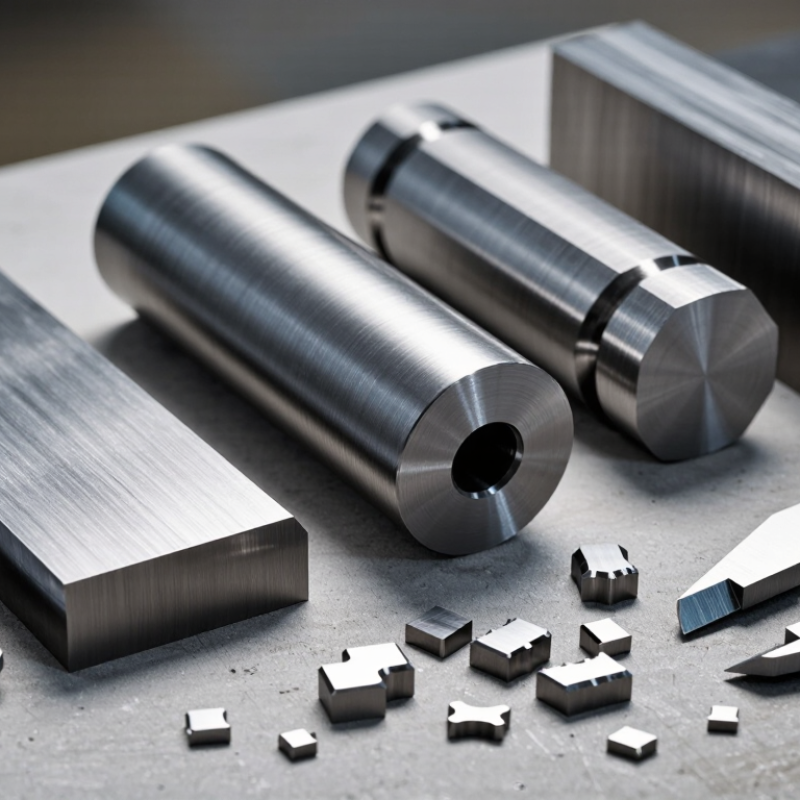
A tungsten blank is a semi-finished piece of material, supplied for machining or further processing rather than as a ready-to-install component. Depending on the application, it may arrive as a bar, plate, disc, block, or near-net-shape compact. Many blanks are made through powder metallurgy: tungsten powder is pressed and sintered, then sized or machined. A blank’s shape is only part of the specification. Buyers also need to confirm material grade, dimensions, density, surface condition, and allowable tolerances.
Supply details matter because “tungsten” can describe different materials. A blank of nearly pure tungsten behaves differently from a tungsten heavy alloy or tungsten carbide. The supplier’s material certificate should identify the composition and relevant inspection results. Fit matters. A small dimensional error can mean extra machining, wasted material, or a part that does not fit its assembly. In practice, specifications are not always tidy; clarify ambiguous drawings before production.
Raw-material supply also deserves attention. The U.S. Geological Survey’s Mineral Commodity Summaries 2024 estimated worldwide tungsten mine production at 78,000 metric tons in 2023. That figure describes mined output, not the supply of finished blanks, but it shows why grade, stock size, and lead time should be discussed early. Requesting a cut-to-size blank can reduce machining time, though it may limit later design changes.
Material Properties That Shape Its Applications
A tungsten blank is a solid piece of stock shaped into a component by machining, grinding, or forming. Its density is about 19.3 grams per cubic centimeter, and its melting point is roughly 3,422°C. That combination suits parts exposed to heat or requiring substantial mass in a compact space. Think of a small counterweight or a furnace component, not a lightweight bracket. Heavy, but useful.
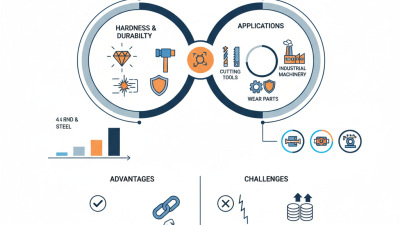
Hardness and wear resistance also help explain tungsten’s role in cutting and wear-resistant materials. The U.S. Geological Survey’s Mineral Commodity Summaries 2025 lists cemented carbides among tungsten’s leading uses. A blank may be selected for a specialized part, though pure tungsten can be brittle and difficult to machine. That detail matters. The desired geometry, operating temperature, and loading conditions should guide material choice; the word “tungsten” alone does not guarantee suitability.
Supply is another practical consideration. The same USGS report estimated 2024 global mine production at 81,000 metric tons, with China accounting for 67,000. These figures describe mined output, not finished blanks, but they help explain why availability and lead times can vary. Engineers should confirm the blank’s grade and condition before machining. That step is easy to overlook.
How Tungsten Blanks Are Shaped Into Components
What Is a Tungsten Blank Used For?
How Tungsten Blanks Are Shaped Into Components
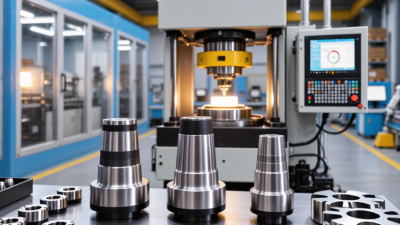
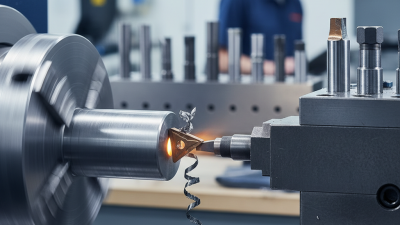
A tungsten blank is a solid starting form that manufacturers turn into a component. Depending on its composition and intended use, it may be pressed and sintered from powder or supplied as a formed billet. The blank is then cut, ground, or shaped using processes suited to tungsten’s high hardness and density. Small dimensional errors matter: a few tenths of a millimeter can affect a close-fitting assembly.
For many dense tungsten parts, grinding and electrical discharge machining (EDM) are practical options. The best route depends on the material grade, geometry, and required surface finish. A narrow slot, for example, may call for EDM, while a flat face may be ground. Inspection for dimensions and cracks is essential. The process is not always linear; an initial machining plan may need revision when a feature proves difficult to reach. The U.S. Geological Survey’s Mineral Commodity Summaries 2025 estimated global tungsten mine production at 81,000 metric tons in 2024. That figure describes supply, not component output, but it shows the material’s industrial scale.
Tips: Confirm the blank’s grade and dimensions before machining. Leave finishing allowance on critical faces, and verify it against the component drawing.
Common Industrial Uses for Tungsten Blanks
Tungsten blanks are starting stock, not finished parts. They may arrive as rods, bars, plates, or custom-cut pieces, ready for machining or further processing. Their high density and ability to withstand extreme heat make them useful where ordinary metals may deform or wear quickly. In industrial furnaces, tungsten stock can be shaped into heating elements, supports, and components for hot zones. It can also serve in electrical contacts and electrodes, where dependable performance under heat and current is important. That matters.
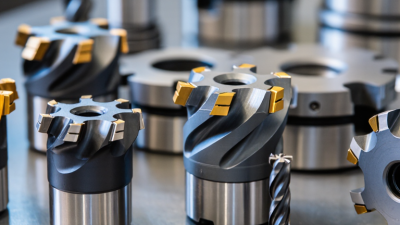
Manufacturers also machine tungsten blanks into counterweights for equipment that needs compact mass, including balancing systems and precision machinery. Some become wear-resistant tooling or specialized parts for high-temperature production. Tungsten heavy alloys are often selected for counterweights because they combine high density with useful strength; they are not the same material as tungsten carbide. The distinction is easy to miss. A blank’s final use depends on its grade, dimensions, and manufacturing method. Tungsten can be difficult to machine, and its cost may be hard to justify for a part that faces modest heat or wear. Choosing the densest option is not always the best choice. Engineers should consider operating temperature, load, tolerances, and the finished part’s environment before specifying a blank.
What Is a Tungsten Blank Used For?
Tungsten blanks are machined into components for demanding industrial applications. Their high melting point makes them useful in furnace hot zones, while their density is valuable in counterweights and radiation-shielding parts.
Melting points are approximate reference values. Common tungsten-blank applications also include electrodes, lamp filaments, and sputtering targets; suitability depends on the component design and operating environment.
Factors to Consider When Selecting a Tungsten Blank
A tungsten blank is unfinished stock that can be machined into a component, so selection should begin with its end use. For a compact, heavy part, density may matter more than ease of machining. NIST lists tungsten’s density at about 19.3 grams per cubic centimeter and melting point near 3,422°C. These properties suit high-temperature or weight-sensitive applications, but they do not guarantee a suitable finished part. Check the required grade, dimensions, and machining allowance before ordering.
Purity and consistency deserve close attention. The U.S. Geological Survey’s Mineral Commodity Summaries 2024 estimated global tungsten mine production at 78,000 metric tons in 2023, showing the scale of a supply chain where source and processing can affect availability. Ask for material certifications and verify that chemistry and dimensions match the specification. Small defects matter. A crack or uneven surface can become costly after machining. Grain structure and forming history also influence how a blank behaves under cutting or thermal cycling; request technical data when these factors are critical. A perfect specification on paper can still disappoint if tolerances are vague. I would compare actual inspection records, not just catalog dimensions, and leave enough stock for cleanup without paying for excess material.
What Is a Tungsten Blank Used For? - Factors to Consider When Selecting a Tungsten Blank
| Application |
Common Blank Form |
Why Tungsten Is Used |
Practical Considerations |
| High-temperature furnace components |
Rod, plate, sheet, or block |
Its melting point is about 3,422°C, making it suitable for some high-temperature applications. |
Check operating temperature, atmosphere, thermal cycling, and whether oxidation protection is needed. |
| Electrical contacts and electrodes |
Rod, bar, or cut-to-size piece |
Tungsten has a high melting point and can retain strength at elevated temperatures. Some electrode applications use tungsten-based materials. |
Confirm the required material grade, electrical characteristics, diameter, and end geometry. Electrode specifications vary by process. |
| Radiation shielding and collimators |
Block, plate, or machined blank |
Its high density—about 19.3 g/cm³ for pure tungsten—can provide effective attenuation in compact shielding designs. |
Determine the radiation type, required shielding performance, dimensions, and whether a tungsten alloy is suitable. |
| Counterweights and balance components |
Block, slug, or custom-machined blank |
High density allows substantial mass in a relatively small volume. Tungsten heavy alloys are often considered for these parts. |
Compare density, required mass, available space, alloy composition, and machining allowance. |
| Specialized heat-resistant or wear-resistant components |
Bar, plate, or shaped blank |
Tungsten can retain useful strength at high temperatures and is used where its particular combination of properties is needed. |
Clarify whether the design calls for tungsten metal, a tungsten heavy alloy, or tungsten carbide; these are different materials. |
Factors to Consider When Selecting a Tungsten Blank
| Selection Factor |
What to Check |
Why It Matters |
| Material type and grade |
Pure tungsten, tungsten heavy alloy, or tungsten carbide; confirm the specified composition and grade. |
These materials have different compositions and mechanical, thermal, and machining properties. |
| Dimensions and tolerances |
Length, width, thickness or diameter, flatness, straightness, and required dimensional tolerances. |
The blank must provide enough material for the finished part while fitting the machining and assembly requirements. |
| Operating environment |
Service temperature, atmosphere, oxidation exposure, radiation conditions, and thermal cycling. |
Performance depends on the actual service environment; tungsten can oxidize at elevated temperatures in air. |
| Machining and fabrication |
Cutting method, finished geometry, surface finish, joining needs, and available machining processes. |
Tungsten is dense and can be difficult to machine; material condition and part geometry influence fabrication choices. |
| Blank condition and quality documentation |
Form, surface condition, internal quality requirements, and requested material test documentation. |
Matching the blank condition and inspection requirements to the finished part can reduce rework and help verify suitability. |
| Mass and available space |
Required component mass, maximum envelope, and handling or support limits. |
Tungsten’s high density is useful when space is limited, but it also increases part weight and handling demands. |