What is Tungsten Carbide Alloy and Its Applications?
Tungsten Carbide Alloy is a remarkable material known for its hardness and durability. It plays a crucial role in various industries, including mining, construction, and manufacturing. According to a recent report by MarketsandMarkets, the global tungsten carbide market is projected to reach $3.47 billion by 2026, growing at a compound annual growth rate of 5.1%.
Experts emphasize its significance. Dr. Emily Anderson, a leading authority on carbide materials, states, "Tungsten Carbide Alloy is essential for enhancing the performance and efficiency of cutting tools." This highlights its application in improving productivity in machining and drilling processes.
Nevertheless, the market faces challenges. The production of tungsten carbide involves complex processes and significant energy consumption. Ensuring sustainability while meeting increasing demands is a crucial consideration. As industries evolve, the push for innovative and eco-friendly solutions in tungsten carbide production remains essential.
What is Tungsten Carbide Alloy?
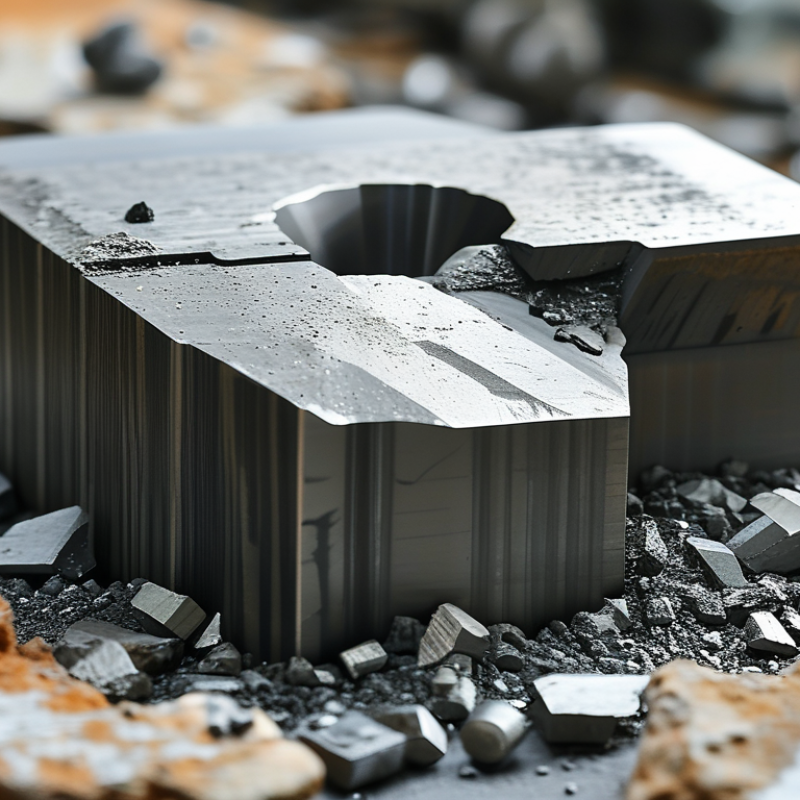
Tungsten carbide alloy is a powerful material known for its hardness and durability. It consists of tungsten and carbon, forming a compound that is incredibly tough. This unique combination makes it resistant to scratching, wear, and deformation. Many industries rely on this alloy for tools and equipment.
One major application of tungsten carbide is in cutting tools. Machinists favor it for drill bits and milling tools. Its ability to maintain sharpness significantly enhances efficiency. However, the high cost can pose challenges for small operations. Additionally, the manufacturing process involves high temperatures, which can be energy-intensive.
Beyond tools, tungsten carbide is also used in jewelry. Its strength and brilliant polish make it an appealing option. Still, some may find it too heavy or uncomfortable. Careful consideration of personal preference is necessary when choosing tungsten carbide rings. While this material boasts many benefits, it’s essential to weigh them against potential drawbacks.
Composition and Properties of Tungsten Carbide Alloy
Tungsten carbide alloy is a composite material made primarily of tungsten and carbon. Its unique composition provides exceptional hardness and wear resistance. Reports indicate that tungsten carbide achieves a hardness rating of about 9 on the Mohs scale, making it one of the hardest materials available. This remarkable property stems from the strong covalent bonds between tungsten and carbon atoms.
The alloy's typical composition includes about 80% tungsten and 20% carbon, though variations exist. This balance significantly affects its mechanical properties. The alloy is known for its density, which ranges from 15 to 19 g/cm³. Its high melting point, exceeding 2,870 degrees Celsius, also contributes to its utility in extreme conditions. Applications range from cutting tools to industrial machinery. Over 50% of all tungsten carbide is consumed in the production of cutting tools.
While tungsten carbide is highly durable, it isn't without limitations. For instance, it can be brittle under certain conditions, which may lead to cracking. This characteristic requires careful consideration during design and application. Engineers must balance its hardness with potential risks. Understanding these nuances in property and composition ensures optimal use in various industries, including mining and manufacturing.
Common Manufacturing Processes for Tungsten Carbide Alloy
Tungsten carbide alloy is known for its exceptional hardness and wear resistance. This makes it a favored choice in various industries, particularly for cutting tools and wear parts. Understanding the common manufacturing processes is essential for anyone working with this material.
One prevalent process is sintering. This involves compacting tungsten carbide powder and heating it to form a solid piece. The temperature and pressure during this process are crucial. They determine the final product's density and strength. Proper control can minimize defects and enhance quality.
Another method is machining. After sintering, tungsten carbide parts often need precision shaping. Machining allows for detailed designs but can be challenging due to the material's hardness. Advanced tools are necessary to achieve accurate results.
Tips: Always ensure proper tool selection when machining tungsten carbide. Use coolant to reduce heat and extend tool life. Experiment with different machining speeds to find the most effective combination. Continuous learning and adaptation are vital. Mistakes made in the initial stages can lead to costly rework. Embrace the challenges of working with such a unique alloy.
Applications of Tungsten Carbide Alloy in Industry
Tungsten carbide alloy is known for its remarkable hardness and durability. This unique material finds extensive applications in various industries. Its resistance to wear makes it ideal for manufacturing tools used in mining, drilling, and construction. For instance, drill bits made from tungsten carbide can withstand extreme conditions, providing longevity and performance.
In the automotive sector, tungsten carbide is used in manufacturing components like valve seats and gears. These components must endure high stress and impact. Tungsten carbide's ability to maintain integrity under such conditions makes it highly valuable. Furthermore, it is also utilized in cutting tools, giving them the edge needed for precision machining. However, the cost of tungsten carbide alloys can be a barrier for smaller businesses.
Despite its numerous benefits, working with tungsten carbide requires expertise. Not all manufacturers have the necessary technology or knowledge to process this hard material effectively. This may lead to inconsistencies in quality. Companies must invest in training and equipment to ensure they fully leverage this alloy's advantages. The complexity of utilizing tungsten carbide underscores the need for ongoing research and dialogue within the industry.
Advantages and Limitations of Tungsten Carbide Alloy
Tungsten carbide alloy is known for its remarkable hardness and durability. These properties make it a popular choice in various industries, including manufacturing and construction. However, despite its strengths, tungsten carbide has both advantages and limitations that are important to consider.
One of the main advantages of tungsten carbide alloy is its exceptional resistance to wear. This quality makes it ideal for cutting tools and industrial machinery. Additionally, its high melting point allows it to perform well in extreme conditions. Yet, tungsten carbide can be brittle. This brittleness may lead to fractures under certain stress levels. This aspect requires careful design and implementation in applications.
Another limitation is its cost. Tungsten carbide is often more expensive than other materials. This can hinder its use in industries that operate on tight budgets. While it delivers excellent performance, the financial investment should be evaluated. Understanding these advantages and limitations is crucial for making informed decisions about using tungsten carbide in various applications.
Applications and Advantages of Tungsten Carbide Alloy