Tungsten Carbide Carbon Trends at 139th Canton Fair Insights?
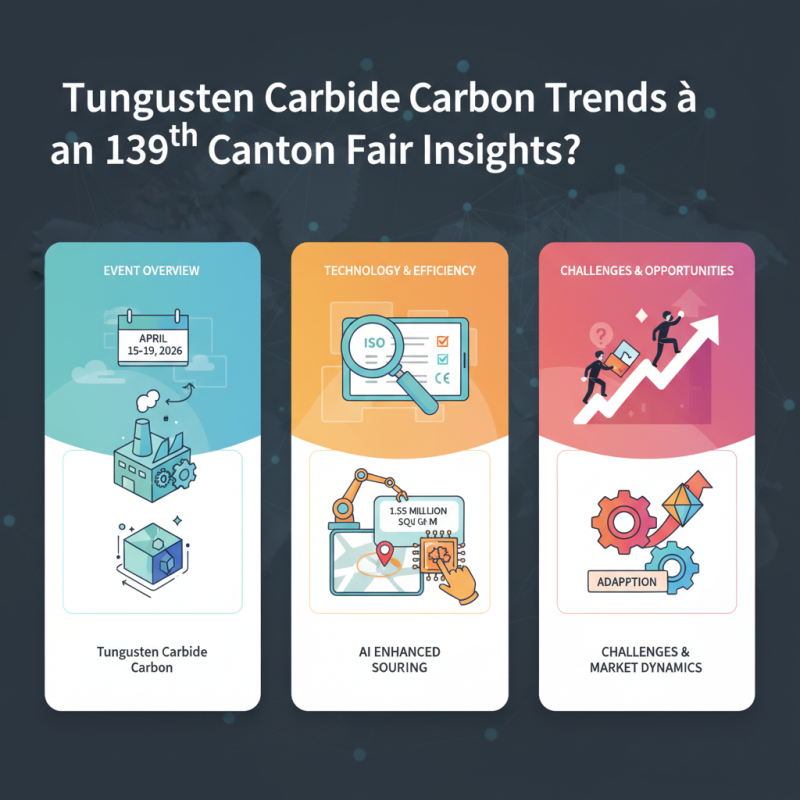
The 139th Canton Fair is poised to unveil significant trends in various industries, including Tungsten Carbide Carbon. This event, running from April 15-19 and later phases in April and May 2026, will showcase cutting-edge products and innovations. Tungsten Carbide Carbon, a key material in manufacturing, is likely to attract considerable attention.
At the fair, AI technology enhances the experience for buyers. It allows quick filtering for suppliers with credentials like ISO and CE certification. This boosts efficiency in navigating the expansive 1.55 million square meters of exhibition space. Such advancements will likely impact how Tungsten Carbide Carbon products are presented and sourced.
Yet, challenges remain. Not all manufacturers may fully embrace these technologies. Some suppliers could struggle to meet the evolving demands. That could result in missed opportunities. As the fair approaches, stakeholders must reflect on their readiness to adapt. Engaging with evolving market dynamics is essential to leverage the potential of Tungsten Carbide Carbon.
Tungsten Carbide Market Overview and Growth Prospects at Canton Fair
The Tungsten Carbide market is evolving rapidly. At the 139th Canton Fair, industry leaders presented their insights. The fair showcased advanced products made from Tungsten Carbide. This material is known for its hardness and durability. Exhibitors displayed tools, machinery parts, and jewelry. Each item demonstrated the versatility of Tungsten Carbide.
Among exhibitors, some faced challenges adapting to new trends. The demand for sustainable materials is growing. Manufacturers are exploring eco-friendly alternatives in their processes. It raises questions about how traditional practices will change. Companies must reflect on their strategies to stay relevant.
Tip: Engage with industry experts at trade shows. This can provide you with unique perspectives on market changes. Networking may also lead to collaboration opportunities.
Lastly, keep an eye on pricing trends. Fluctuating raw materials can impact costs. Understanding these fluctuations is crucial for business decisions.
Tungsten Carbide Market Overview at 139th Canton Fair
Key Trends in Tungsten Carbide Pricing and Demand Fluctuations
The 139th Canton Fair has shed light on the evolving trends in tungsten carbide pricing and demand. As industries focus on advanced materials, fluctuations in tungsten carbide prices reflect broader economic conditions. Recent discussions indicate a noticeable rise in demand, primarily driven by the manufacturing and construction sectors.
Manufacturers report challenges in supply chains, which could influence prices. Some vendors express concern about stability, as costs can change rapidly. The balance between supply and demand appears delicate. For instance, while demand surges, global events can disrupt production or logistics, creating uncertainty. This scenario prompts reflections on how companies can adapt to unpredictable market shifts.
Additionally, the fair showcased innovative applications in various industries. These applications highlight the increasing importance of tungsten carbide in modern technologies. Buyers are urged to consider not just current trends but also potential future developments. Understanding market dynamics is essential for making informed purchasing decisions.
Innovations in Tungsten Carbide Applications and Technologies
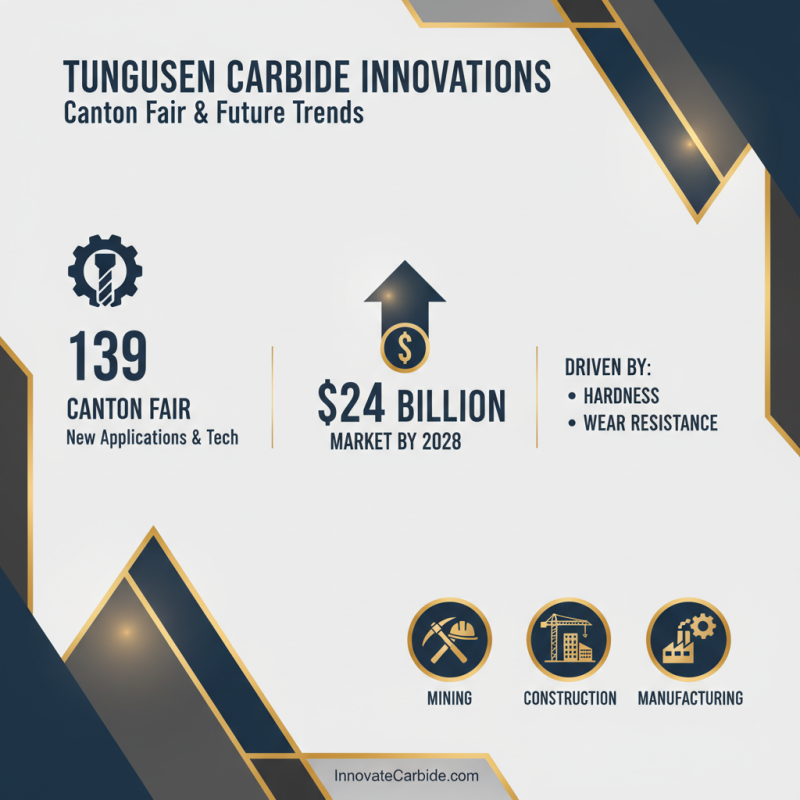
At the 139th Canton Fair, a notable focus was placed on innovations in tungsten carbide applications and technologies. The market for tungsten carbide is expected to reach $24 billion by 2028, driven by its superior hardness and wear resistance. This material is highly sought after in industries like mining, construction, and manufacturing.
Recent advancements include the development of nano-tungsten carbide. These particles enhance toughness while reducing brittleness. Reports show that using nano-coatings can increase tool lifespan by over 30%. However, manufacturers still face challenges in maintaining consistent quality during production. Variations in particle size can lead to performance inconsistencies, which requires careful control.
Moreover, sustainable practices are becoming essential. The industry seeks more eco-friendly production methods. Recycling tungsten carbide is a growing trend. About 60% of tungsten in the market now comes from recycled sources. This is a positive step, but more efforts are needed to improve the recycling processes. Challenges in separating tungsten from various alloys hinder efficiency. Addressing these issues will be critical for future growth in this field.
Market Competition Analysis of Tungsten Carbide Suppliers and Manufacturers
The 139th Canton Fair is set to showcase the latest trends in tungsten carbide carbon. This event is crucial for understanding the competitive landscape among suppliers and manufacturers. As the demand for tungsten carbide continues to rise, the competition becomes fiercer. Suppliers are focusing on innovative products and cost-effective solutions to attract buyers.
Manufacturers are not only improving quality but also adopting sustainable practices. However, some struggle to meet strict environmental standards. There’s a noticeable divide between big players and smaller manufacturers. Smaller firms often lack resources and may fall behind in technological advancements. This gap can affect pricing and product offerings, leading to market imbalances.
Networking at the fair can provide insights into potential collaborations. It's an opportunity to identify gaps in the market. Attendees should keenly observe competitors' strategies. How do their offerings differ? What are their marketing tactics? These reflections may lead to new ideas. Balancing quality and cost will remain a pivotal challenge in this competitive space.
Tungsten Carbide Carbon Trends at 139th Canton Fair Insights
| Supplier Type |
Market Share (%) |
Average Price (USD/kg) |
Production Capacity (tons/year) |
Export Rate (%) |
| Manufacturer A |
25 |
50 |
2000 |
70 |
| Manufacturer B |
30 |
45 |
1500 |
60 |
| Manufacturer C |
20 |
55 |
1800 |
65 |
| Manufacturer D |
25 |
52 |
2200 |
75 |
Future Outlook: Sustainability and Recycling in Tungsten Carbide Production
The production of tungsten carbide faces growing scrutiny. Sustainability in its manufacturing process is becoming crucial. The mining and processing of raw materials for tungsten carbide can be carbon-intensive. Efforts are underway to reduce emissions and promote recycling options.
Recycling tungsten carbide presents both challenges and opportunities. The material is durable, making it tough to process. However, new techniques are being explored to recover valuable tungsten from used tools. Innovative solutions might reshape the lifecycle of tungsten carbide. Industry collaboration can enhance recycling efforts while lowering environmental impact.
While progress is evident, it's not without flaws. The current recycling infrastructure often lags behind production demands. Awareness around sustainable practices is still developing. Education on recycling methods is essential for wider adoption. The transition toward sustainability in tungsten carbide production is underway, but much work remains.