Tungsten Steel Inserts Best Applications and Benefits Explained?
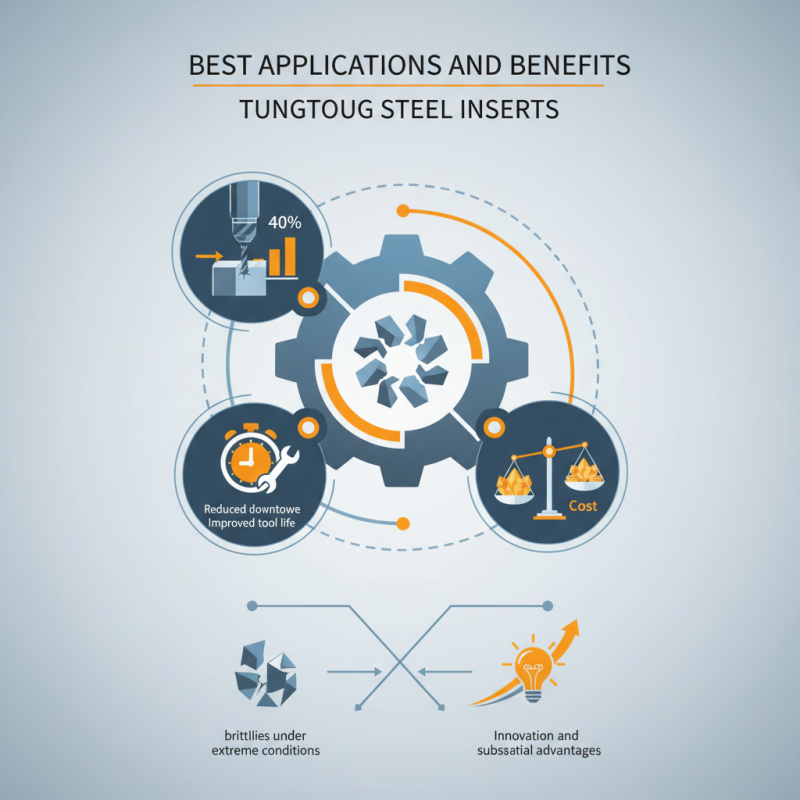
Tungsten Steel Inserts have gained significant traction in various industries, particularly in manufacturing and machining. Their remarkable hardness and wear resistance make them ideal for high-performance applications. According to a recent report by the International Journal of Advanced Manufacturing Technology, the efficiency of drilling tools has improved by 40% with the use of Tungsten Steel Inserts. This data highlights their growing importance in enhancing productivity and longevity.
Industry expert Dr. Michael Thompson emphasizes the potential of Tungsten Steel Inserts, stating, "These materials not only improve tool life but also significantly reduce downtime." This insight sheds light on their practical benefits in real-world applications. However, it is crucial to understand the limitations that come with their use. Tungsten Steel Inserts can be brittle, leading to potential breakage under extreme conditions.
In addition, their cost can be a hurdle for small manufacturers, prompting a need for careful evaluation. The balance between expense and performance requires reflection on whether the investment aligns with specific operational goals. With the right approach, Tungsten Steel Inserts can offer substantial advantages, paving the way for innovation in industrial applications.
Applications of Tungsten Steel Inserts in Various Industries
Tungsten steel inserts are vital in many industries. They enhance performance and extend the lifespan of tools and machinery. In the automotive sector, these inserts are often used in cutting tools. They resist wear, making them ideal for high-stress applications. Their durability saves money on replacements over time.
Manufacturing also benefits from tungsten steel. These inserts improve precision in machining. They can handle tough materials like titanium and hardened steel. Sometimes, however, the inserts can chip or crack under extreme conditions. This may lead to downtime and increased costs. It is essential to monitor their usage closely.
In construction, tungsten steel inserts support various tasks. They are often found in drilling equipment. Their toughness allows for efficient drilling in challenging environments. Yet, not every application may show improved performance. Users should weigh the benefits and risks.
Tungsten Steel Inserts Applications and Benefits
Benefits of Using Tungsten Steel Inserts for Enhanced Durability
Tungsten steel inserts are gaining traction in various industries due to their remarkable durability. These inserts are fabricated from a tungsten alloy, contributing to their strength and hardness. According to a report by the International Journal of Advanced Manufacturing Technology, tungsten steel can achieve hardness values exceeding 90 HRA, making it significantly more durable than traditional materials. This characteristic allows for extended tool life in manufacturing processes, reducing downtime.
Businesses that implement tungsten steel inserts benefit from cost savings. A study by the Society of Manufacturing Engineers indicates that tooling costs can be reduced by up to 30% when utilizing tungsten materials. This reduction comes from less frequent tool replacement and decreased maintenance needs. Enhanced durability is crucial in high-stress applications, such as machining tough alloys, where tool wear can rapidly occur. However, many organizations overlook the initial investment, viewing it as too high.
The resilience of tungsten steel inserts can lead to better performance in the long run, but they may require careful handling. Their weight can also make them less user-friendly in certain scenarios. Industries that prioritize precision and durability, like aerospace and automotive, continuously evaluate the effectiveness of these materials. In doing so, they understand the balance between durability and cost, but challenges remain in fully leveraging this potential.
Comparison of Tungsten Steel Inserts with Other Material Types
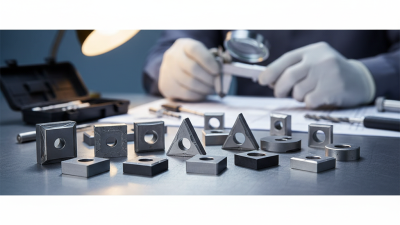
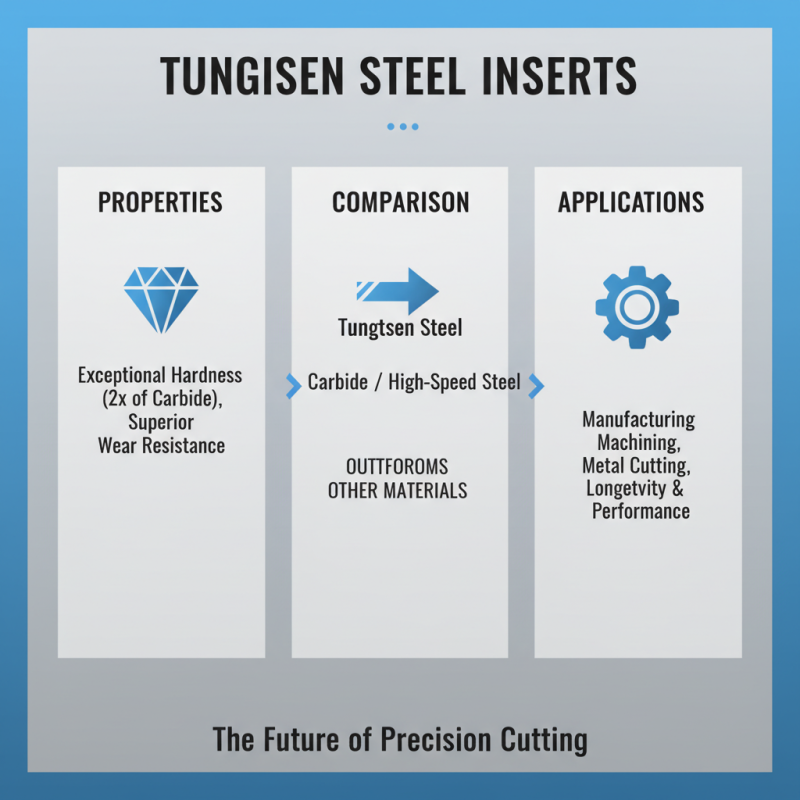
Tungsten steel inserts stand out in various applications due to their unique properties. They offer exceptional hardness and wear resistance compared to materials like carbide and high-speed steel. This makes tungsten steel a popular choice in manufacturing and machining processes. For instance, in metal cutting, these inserts provide superior performance and longevity.
When compared to carbide, tungsten steel is often more cost-effective. However, carbide still has an edge in certain high-speed applications. Tungsten inserts can withstand higher temperatures, which is crucial in heavy-duty environments. But they may be prone to chipping under extreme stress. While both materials have strengths, the decision often hinges on specific project needs.
High-speed steel remains a viable option for general machining tasks. However, it doesn't match the durability of tungsten steel in demanding situations. Choosing the right material is essential for optimal performance. It's not just about hardness; it's about finding balance. The trade-offs can be significant, and careful evaluation is necessary.
Key Factors to Consider When Choosing Tungsten Steel Inserts
When choosing tungsten steel inserts, consider hardness and wear resistance. These factors greatly impact performance. Tungsten steel is known for its durability, which means less frequent replacements. If you work in heavy industries, this can lead to significant cost savings.
Focus on the specific application. Different projects require varying insert geometries. For machining metals, sharp angles are essential. However, for softer materials, a different design may be more suitable. Always assess the needs of your project.
Tips: Test different inserts before making a final decision. Gather feedback from operators. It can reveal unforeseen issues. Don't overlook the importance of cooling systems. Adequate cooling can enhance the lifespan of your inserts. Inconsistent application may lead to poor performance. Always prioritize quality over price; a bad insert can cost more in the long run.
Maintenance and Care for Tungsten Steel Inserts to Maximize Lifespan
Maintaining tungsten steel inserts is crucial for maximizing their lifespan. Regular inspections are necessary. Operators should look for signs of wear and tear. Early detection of damage can prevent costly replacements. Reports suggest that proactive maintenance extends tool life by up to 40%.
Proper cleaning also plays a key role. Use soft brushes to remove debris. Avoid harsh chemicals that can cause corrosion. It's essential to follow specific cleaning guidelines. Studies indicate that improper handling can reduce effectiveness by 30%.
Another important aspect is storage. Inserts should be kept in a dry, clean environment. This minimizes rust and degradation. Experts recommend using foam or padded cases. Regular training on maintenance protocols ensures everyone is informed. Neglecting care can lead to significant losses in production efficiency.