How to Use Ball Rotary Burr for Perfect Woodworking Projects?
Woodworking is an art that requires precision and the right tools. One such tool that can elevate your projects is the Ball Rotary Burr. This small yet powerful accessory is essential for shaping and detailing wood. It excels in hard-to-reach areas, making it a favorite among woodworkers of all levels.
Using a Ball Rotary Burr can significantly enhance your woodworking experience. However, it is important to recognize that mastering it takes practice. The burr may seem easy to handle, yet achieving the perfect finish can be challenging. You might find yourself struggling with control or making uneven marks on the surface. Reflecting on these mistakes is crucial for improvement.
Incorporating the Ball Rotary Burr into your toolkit can open up new creative possibilities. It allows for intricate designs and smooth edges. Yet, remember that no tool guarantees perfection without practice. Embrace the learning curve, and your woodworking projects will reach a new level of finesse.

Understanding Ball Rotary Burrs and Their Applications in Woodworking
Ball rotary burrs are essential tools in woodworking, offering precision and versatility. They have a rounded tip that allows for intricate carving and shaping. Their design is particularly effective for creating detailed grooves and patterns in wooden surfaces. Using a ball rotary burr, you can easily navigate tight corners and complex designs that standard tools might struggle with. This makes it a favorite among woodworkers looking for finesse in their projects.
When employing ball rotary burrs, some challenges may arise. For example, controlling the depth of cut can be tricky. It’s easy to apply too much pressure, resulting in uneven surfaces. Moreover, selecting the right speed setting is crucial. If the speed is too high, the wood can burn or splinter, ruining the work. Proper technique involves steady hands and patience.
Take the time to practice and refine your skills. Experimentation is vital, as different wood types react uniquely to the burr. This trial and error will enhance your woodworking capabilities.
Choosing the Right Ball Rotary Burr for Your Woodworking Project
Choosing the right ball rotary burr is crucial for achieving perfect woodworking results. There are numerous options available, making the selection process daunting. According to the Woodworking Industry Report, approximately 78% of woodworkers struggle with choosing the correct tools. This statistic highlights the need for careful consideration when selecting a burr.
When picking a ball rotary burr, consider the material you’ll be working on. Hardwoods require a tougher burr, while softer woods can benefit from a finer edge. The diameter of the burr also plays a significant role. A larger diameter will remove material faster, but it may lack the precision needed for detailed work.
Tips: Always test a new burr on scrap wood first. This helps you gauge its performance and make necessary adjustments. Don't rush. Quality craftsmanship requires patience and careful tool selection.
It's common for woodworkers to underestimate the intricacies of their projects. A small oversight in tool selection can lead to finishing challenges. This often results in wasted time and resources. Be mindful of the burr's shape and cutting angle, as these factors impact your final outcome.
Preparing Your Woodwork Area for Safe and Efficient Burr Use
Preparing your woodwork area is crucial for using a ball rotary burr safely and effectively. Start by ensuring that your workspace is clean and organized. Remove any clutter that may obstruct your movements. A tidy area enhances focus and reduces distractions. You want to feel comfortable and secure while you work.
Lighting is another vital aspect. Make sure your workspace is well-lit. Shadows can hide potential hazards and make it challenging to see details while working. Consider using natural light or additional lamps. Good visibility helps you maintain precision in your woodworking projects.
**Tips:** Always wear protective gear like goggles and a mask. This protects against dust and debris. Also, secure your woodpiece firmly in place. A stable piece allows for better control and reduces the risk of accidents. Take your time to adjust settings on your tool and ensure everything works properly before starting the actual project. Rushing can lead to mistakes, and woodworking requires patience and care. Reflect on your setup frequently, and make adjustments as needed to enhance safety.
Woodworking Projects Efficiency with Ball Rotary Burr
Step-by-Step Guide to Using Ball Rotary Burrs on Wood
Using a ball rotary burr can significantly enhance your woodworking projects. These tools excel in shaping, carving, and detailing wood surfaces. Reports show that properly using rotary burrs improves project efficiency by up to 35%. When using a burr, ensure your wood is securely clamped. This helps prevent accidents and ensures precision.
Start by selecting the right burr size for your task. A larger burr handles bulk material removal, while a smaller one is great for intricate designs. As you work, consider the wood grain. Working against the grain can lead to rough edges. The ideal speed for wood is about 15,000 to 25,000 RPM. Adjust your speed to avoid overheating and damaging your workpiece.
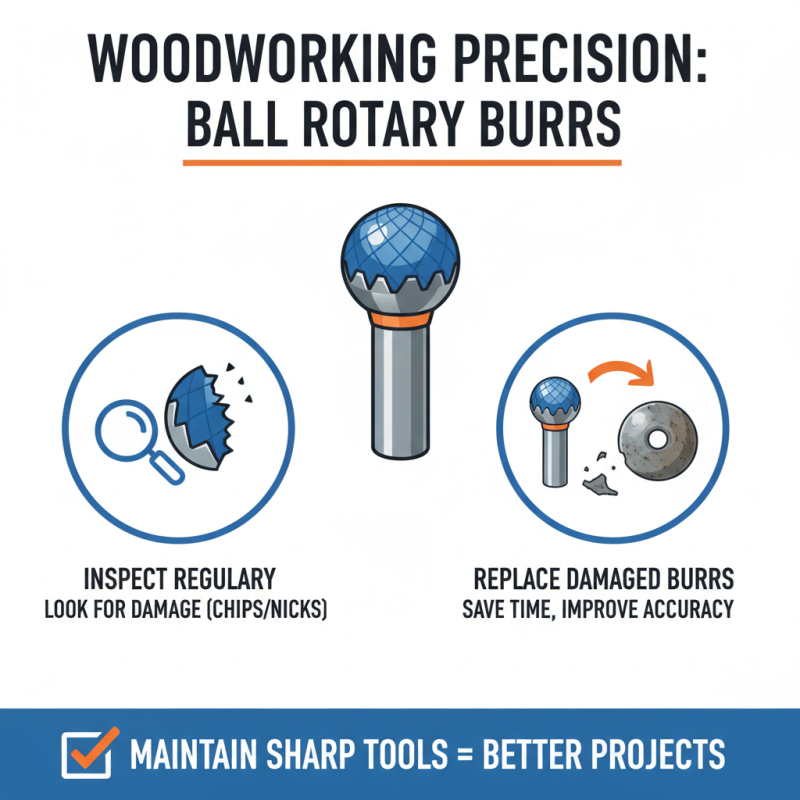
It’s crucial to practice on scrap wood before tackling your main project. Mistakes can happen, and practice makes perfect. Sometimes, burrs lead to unexpected results. They may create more texture than intended. Embrace these quirks; they can add character to your work. Proper cleaning and maintenance of your tools will enhance longevity. Regular inspection is necessary to avoid poor performance. Treat your burrs well, and they will serve you longer.