How to Use Titan Carbide for Maximum Durability?
Titan Carbide is renowned for its exceptional durability and performance in various applications. John Smith, an industry expert and veteran in carbide technology, states, "Using Titan Carbide correctly can significantly enhance tool life." This assertion highlights the importance of understanding how to leverage this material effectively.
Applying Titan Carbide can be challenging. Many users underestimate the significance of proper tooling and maintenance. It is vital to match the right carbide grade with the application. Choosing an incorrect type can lead to premature wear. Additionally, environmental factors such as temperature and pressure must be considered. Regular inspection and cleaning are essential.
When using Titan Carbide, attention to detail matters. Users often overlook minor adjustments that can impact durability. For instance, improper cutting tools may cause excessive friction. This can compromise the benefits that Titan Carbide offers. Balancing quality and cost is also a common struggle. Reflection on these aspects can ultimately lead to better practices and, consequently, improved results.

Understanding Titan Carbide: Properties and Benefits for Durability
Titan carbide is a material known for its impressive durability. Its unique properties make it an ideal choice for high-performance applications. This composite combines titanium and carbon, yielding exceptional hardness and resistance to wear. According to industry reports, titan carbide's hardness rating is around 9 on the Mohs scale, comparable only to diamond and cBN.
Many industries are increasingly opting for titan carbide due to its low friction coefficient. This characteristic not only prolongs equipment life but also enhances efficiency. Studies indicate that using titan carbide components can boost equipment lifespan by up to 30%. However, it’s important to acknowledge that certain processing techniques can affect its overall performance. Surface finish and coating systems must be carefully selected to avoid premature failure.
While titan carbide demonstrates significant benefits, it's not without its challenges. Initial costs can be higher than traditional materials. However, longevity often offsets this expense. Users sometimes remark that the transition period can be difficult, especially for teams unaccustomed to working with newer materials. Aligning training and expectations is crucial for maximizing the potential of titan carbide.
Applications of Titan Carbide in Manufacturing and Construction Industries
Titan carbide has emerged as a valuable material in various manufacturing and construction applications. Its exceptional hardness and wear resistance make it ideal for cutting tools, drill bits, and mining equipment. In construction, it is used in machinery that faces extreme friction. This resistance leads to longer tool life and lower replacement costs, a significant advantage.
In the automotive industry, titan carbide coatings enhance the performance of engine components. These components endure high temperatures and mechanical stress. Applying titan carbide can increase their durability significantly. However, this process requires precision. If not appropriately applied, it can lead to inconsistent results.
Despite its benefits, the use of titan carbide is not without challenges. The initial cost can be high, and not all industries may find it justifiable. Researching the right applications is crucial. Users must weigh the long-term savings against upfront investments carefully. This reflection fosters smarter decisions in design and manufacturing practices.
Applications of Titan Carbide in Manufacturing and Construction Industries
Processing Techniques to Enhance Titan Carbide’s Lifespan and Performance
When processing titan carbide, specific techniques can significantly improve its lifespan and performance. One effective approach is the use of precise heat treatments. By carefully controlling the temperature and duration, the material's hardness can be optimized. This can reduce wear and tear during applications, extending its usability.
Additionally, surface treatments play a crucial role in enhancing durability. Coatings can add an extra layer of protection from environmental elements. These coatings can also improve resistance to corrosion. However, not all coatings are suitable for every application. Selecting the right one requires careful evaluation.
In machining processes, the choice of tools and parameters matters greatly. Using improper speeds may lead to chipping. Tool wear can occur faster than expected. Regular monitoring and adjustments are essential to maximize performance. Despite advances, challenges remain in achieving the perfect balance between durability and efficiency. Each step requires meticulous attention to detail to truly harness the benefits of titan carbide.
How to Use Titan Carbide for Maximum Durability? - Processing Techniques to Enhance Titan Carbide’s Lifespan and Performance
| Processing Technique |
Description |
Expected Lifespan Improvement |
Optimal Conditions |
| Coating |
Applying protective coatings to reduce wear and corrosion. |
20-30% |
Controlled atmosphere during application. |
| Heat Treatment |
Enhancing hardness and tensile strength through thermal cycling. |
15-25% |
Precise temperature and timing. |
| Surface Grinding |
Improving surface finish for better contact and wear resistance. |
10-20% |
Fine grit and appropriate lubricants. |
| Vibratory Finishing |
Using abrasive media to deburr and polish components. |
5-15% |
Proper media type and processing time. |
| Cryogenic Treatment |
Lowering temperatures to improve microstructure and reduce residual stresses. |
15-30% |
Sub-zero environments. |
Comparative Analysis: Titan Carbide vs. Traditional Materials in Durability
When it comes to durability, Titan Carbide is a strong candidate compared to traditional materials. It's known for its exceptional hardness and resistance to wear. In various applications, it outperforms standard steel and other common alloys. This makes it ideal for tools and equipment exposed to extreme conditions.
However, there are cases where traditional materials may still be preferred. For example, cost can be a significant factor. Titan Carbide can be more expensive to source and process. Additionally, some users may find the properties of traditional materials sufficient for less demanding environments.
Still, when maximum durability is crucial, Titan Carbide stands out. Its longevity can reduce the need for replacements. This not only saves costs in the long run but also minimizes downtime for repairs. Yet, the challenges of working with Titan Carbide shouldn't be overlooked. Machining and fabricating this material can require specialized techniques.
Maintenance Best Practices for Titan Carbide Tools and Components
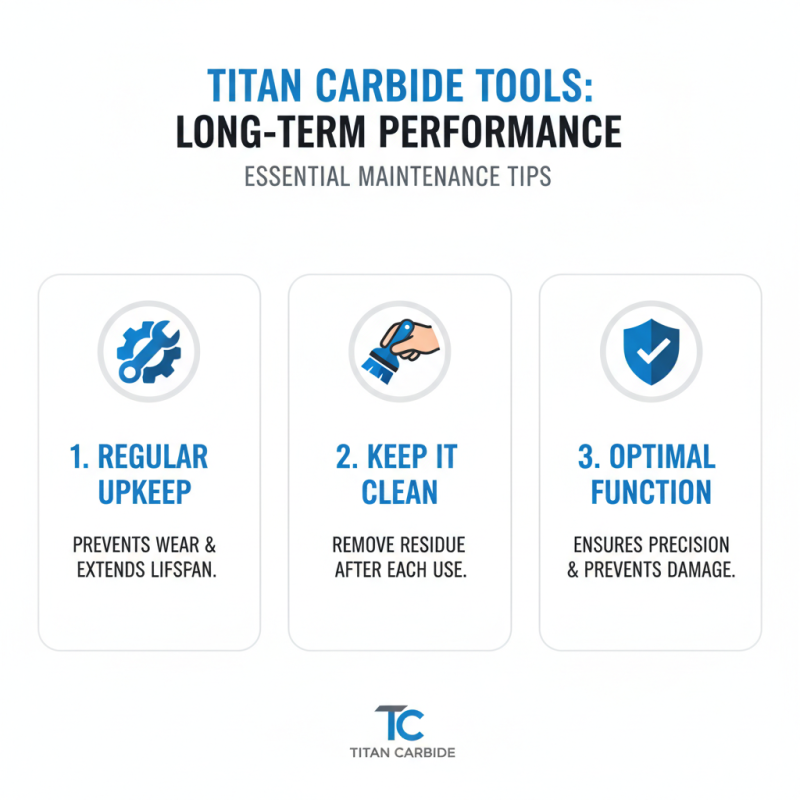
Maintaining Titan carbide tools and components is essential for their long-term performance. Regular maintenance helps prevent unnecessary wear and extends their lifespan. Keep the tools clean, removing any residue after each use. This ensures optimal functionality and prevents damage from buildup.
**Tips:** A soft brush works well for cleaning. Use it to gently scrub the surfaces and reach tight spots. Avoid harsh chemicals that could harm the carbide.
Inspect your tools frequently for signs of wear. Look for chips, cracks, or rust. Addressing these issues early can save you the cost of replacements. Proper storage is equally important. Store tools in a dry, cool place to prevent moisture damage.
**Tips:** Use protective cases or covers. It may feel cumbersome, but it pays off in the long run. Disorganization can lead to misplacing tools, resulting in frustrations.
Sharpening carbide tools correctly is vital. Improper sharpening methods can compromise their durability. Always follow the recommended angles and techniques specified in guides. Remember, practice makes perfect, but don’t rush the process. A keen eye for detail can make a significant difference over time.