How to Use Tungsten Metal Rod for DIY Projects?
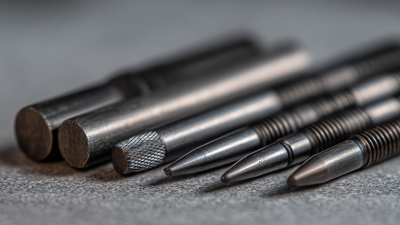
In the realm of DIY projects, the Tungsten Metal Rod stands out as a unique material. With its exceptional density and strength, it offers advantages that are hard to match. As expert David Hawthorne once said, "The versatility of tungsten allows for endless creative possibilities." This statement reflects the material's appeal to enthusiasts and professionals alike.
When considering projects, it’s essential to recognize the specific properties of Tungsten Metal Rods. They resist deformation, making them perfect for precise applications. However, the high melting point can present challenges. Not everyone has the tools to handle tungsten properly. Thus, many DIYers feel hesitant about its usage.
Tungsten’s density also means it can be heavier than other metals. This can be a disadvantage in certain situations. Yet, when used correctly, a Tungsten Metal Rod can provide an innovative touch to your creation. Reflecting on potential pitfalls can lead to better outcomes. Engaging with this material requires patience and learning, but the results may be rewarding.
Introduction to Tungsten Metal Rods in DIY Projects
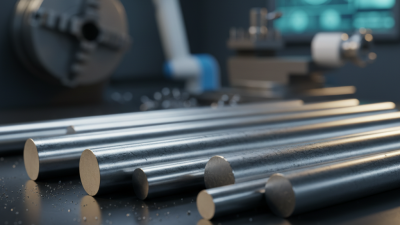
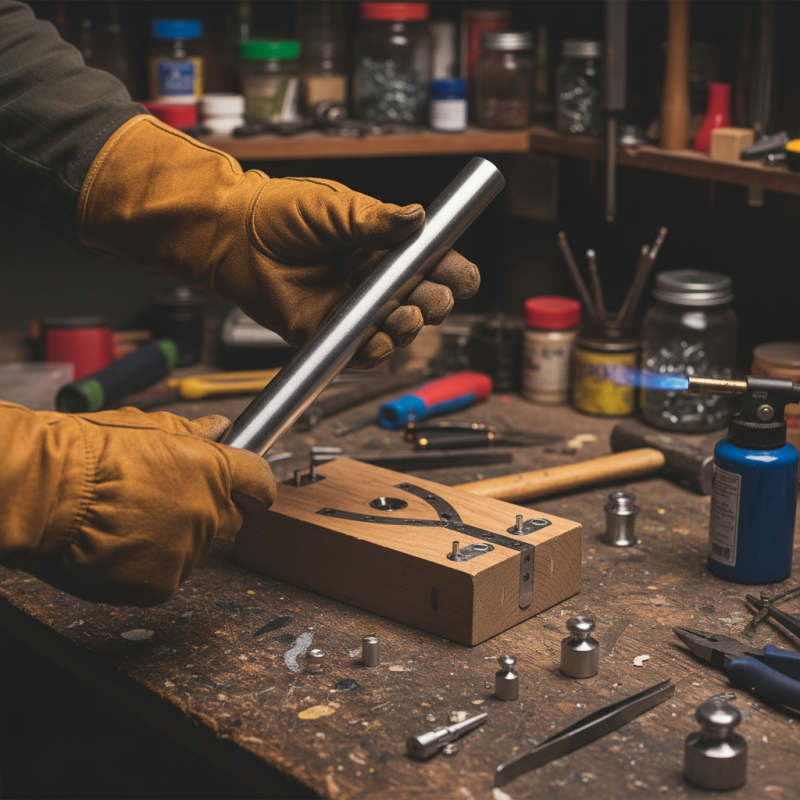
Tungsten metal rods are a popular choice in DIY projects due to their high density and durability. These rods can withstand extreme temperatures and offer excellent corrosion resistance. This makes them ideal for various applications, from crafting tools to creating custom components. Using tungsten can elevate the quality of your projects.
Working with tungsten requires some specific techniques. It's tough to cut or shape. Standard tools may struggle with this dense material. You might need specialized equipment for precise work. If you don’t have the right tools, consider practicing on scrap pieces first. This can save time and frustration later on.
The weight of tungsten can also be a factor. It's heavier than most metals, which can add stability to your projects. However, this may make handling difficult for beginners. Think about your design and the balance of materials. Sometimes, re-evaluating your approach leads to better results. Embracing the learning curve makes each project more rewarding, despite initial challenges.
Benefits of Using Tungsten Metal Rods for DIY Applications
Tungsten metal rods are becoming popular for DIY projects due to their various advantages. One primary benefit is their remarkable density. Tungsten is one of the heaviest materials available, which makes it ideal for applications requiring stability. According to industry reports, tungsten's density is about 19.3 grams per cubic centimeter. This feature contributes to its ability to resist movement and enhances the durability of homemade tools or fixtures.
Another key benefit is tungsten's excellent melting point. It can withstand temperatures exceeding 3,400 degrees Celsius, making it suitable for high-temperature applications. This property allows DIY enthusiasts to use tungsten rods in situations where other materials might fail. However, working with tungsten can be challenging. It requires specialized tools for cutting and shaping, and one should be mindful of safety.
Tips: Always wear protective gear when working with tungsten. Ensure you have the right tools at hand. Tungsten dust can be hazardous, so work in a well-ventilated area. Additionally, consider combining tungsten rods with other materials for added functional versatility. Nonetheless, the cost can be a consideration. While tungsten is incredibly beneficial, its premium price may prompt some reflection on project budgets.
Essential Tools and Materials for Working with Tungsten Rods
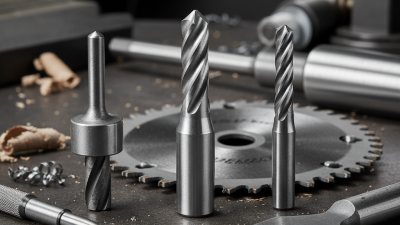
Working with tungsten rods can open up many possibilities for DIY projects. Essential tools for shaping and cutting tungsten include a high-quality saw and a sturdy workbench. Invest in a diamond-coated cutting wheel for a precise finish. These tools ensure smoother cuts and less material waste. A good set of safety goggles is crucial. The tungsten dust can irritate your eyes.
You may also need a vice grip. It holds the rod securely while you work on it. Heat-resistant gloves are important for safety when handling heated tungsten. A metal file will help refine the edges after cutting. Anyone can face challenges during this process. Some cuts may not go as planned. You might have to redo them. Mistakes are part of learning.
Remember, tungsten is dense and heavy. Working with it can lead to fatigue. Take breaks to stay focused. Keep your workspace clean to avoid accidents. This will help stimulate creativity and maintain clarity in your work. Embrace the imperfections in your projects. They can lead to unique results. Each attempt teaches you something new.
Step-by-Step Guide to Cutting and Shaping Tungsten Rods
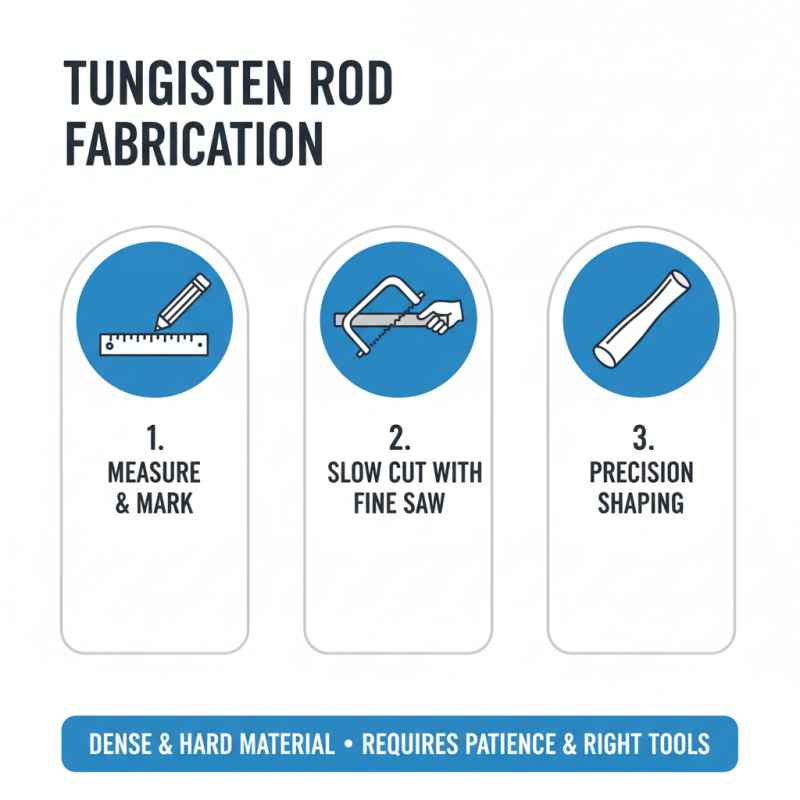
Cutting and shaping tungsten rods can be challenging but rewarding. Tungsten is dense and hard. This means you need the right tools for precision. A saw with a fine tooth blade works best. Start by measuring the length you need. Mark it clearly. Use a square to ensure accuracy. When you cut, take it slow. Forcing the blade can lead to uneven edges.
Once you've cut the rod, shaping it requires patience. Use a grinder for finer details. Tungsten dust can be harmful, so wear a mask. Always check your progress. It can be easy to take off too much material. Sometimes, you'll need to re-evaluate your design. Is it what you envisioned? Don't rush this part. It's crucial for the final look.
Polishing comes next. Use a fine polishing wheel. It can become a little tedious. However, the shine is worth the effort. After polishing, inspect your work. Are there spots that need attention? Adjust where needed. Remember, imperfections can lead to unique results. Embrace the learning process as you refine your technique.
Safety Precautions When Handling Tungsten Metal for Projects
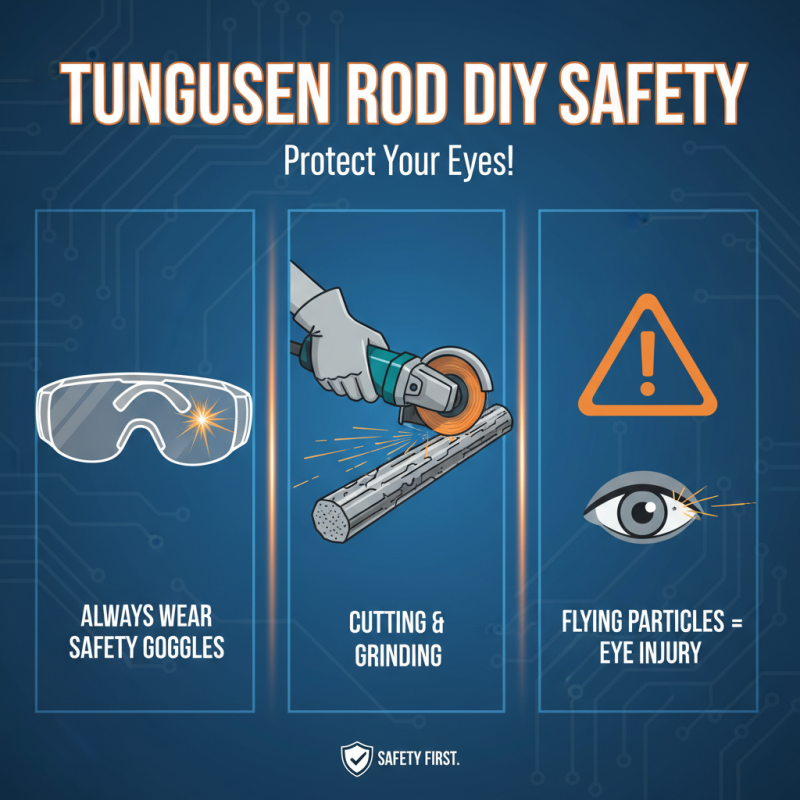
When using tungsten metal rods for DIY projects, safety must come first. Tungsten is dense and hard. This means it can be challenging to handle without proper precautions. Always wear safety goggles when cutting or grinding. The particles can easily fly and cause eye injuries.
Tips: A simple dust mask can protect your lungs from harmful particles. Keep your workspace well-ventilated. Avoid inhaling fumes. Gloves are a must. They prevent cuts and give you a better grip. However, remember that tungsten is slippery when wet.
Be careful when managing tungsten rods. They can be heavy and awkward. If they fall, they can cause injury. Always lift with your legs, not your back. Keep your workspace clean. Spills can create hazards. Double-check that tools are safe before starting. Use appropriate tools for cutting. The right tool makes a difference.
Remember these safety measures. They can save you from dangerous situations. Identifying hazards early can help prevent accidents. It's easy to overlook these details, but don't. Each project can be different, so respect the material. Be aware of your surroundings and think critically about your actions.