Leave Your Message

Leave your message now to get your free sample and discount price

2026 Best Tungsten Tooling Suppliers for Global Buyers?

In 2026, global buyers need more than a supplier directory when sourcing Tungsten Tooling. Tool performance depends on material grade, dimensional accuracy, surface finish, and application conditions. A reliable supplier should explain these factors clearly. Experience matters, especially when tools face high heat, abrasion, or repeated production cycles.

This guide examines leading tungsten tooling suppliers for international purchasing teams. It considers product consistency, technical support, quality systems, export experience, and delivery reliability. Buyers should review carbide composition, hardness data, tolerance ranges, inspection reports, and packaging methods. Certificates can support trust, but they should not replace independent verification. Ask for samples where production risk is high.

Details matter.

A supplier may offer attractive prices yet struggle with stable lead times. Another may provide excellent engineering advice but lack flexible production capacity. No supplier is perfect. This comparison therefore focuses on practical evidence rather than polished marketing language. It also recognizes that supplier rankings can change with factory investment, raw material access, and customer service performance. Buyers should confirm current information directly before signing contracts.

The goal is straightforward: help manufacturers, distributors, and engineering teams make informed sourcing decisions. Strong suppliers communicate limitations as well as capabilities. They document changes, respond to technical questions, and maintain traceable quality controls. For critical tooling, buyers should evaluate total cost, not only the purchase price. A slightly higher initial cost may reduce downtime, premature wear, and replacement delays. Still, assumptions deserve review. Even experienced purchasing teams can overlook small tolerance differences that later affect production results.
2026 Best Tungsten Tooling Suppliers for Global Buyers?

What Is Tungsten Tooling and Why Does Supplier Selection Matter?

What Is Tungsten Tooling and Why Does Supplier Selection Matter?

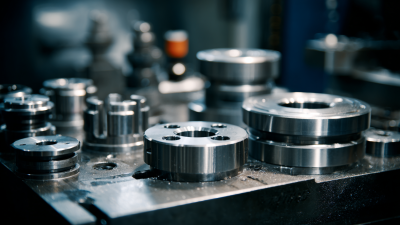
Tungsten tooling usually refers to cutting tools, dies, punches, and wear parts made with tungsten carbide or tungsten-based materials. These materials offer high hardness, heat resistance, and strong wear performance. In demanding machining, a small edge defect can create chatter, burrs, or inconsistent dimensions. A damaged tool can also interrupt an entire production run.

Supplier selection matters because material quality is not identical across the market. Carbide composition, grain size, binder content, and sintering control affect tool life. A reliable supplier should provide clear grade data, dimensional inspection records, and traceable batch information. Coating quality deserves attention too. A coating that looks perfect may still fail early under high heat or poor coolant conditions.

Practical evaluation should include sample testing, tolerance checks, and communication during technical changes. Ask how the supplier controls edge preparation and verifies hardness. Check whether production capacity matches your required delivery schedule. Low pricing can be attractive, but unstable geometry often costs more through rework and downtime. Some buyers focus too heavily on catalog specifications. That is a mistake. Actual performance depends on the machine, workpiece material, cutting speed, and operator setup. Even experienced teams may select the wrong grade during trials. Careful feedback and repeated testing remain necessary. Thresholds should be recorded, not remembered.
Key Criteria for Evaluating Tungsten Tooling Suppliers in 2026

Choosing the best tungsten tooling supplier in 2026 requires more than comparing prices. Buyers should examine technical experience, material knowledge, and production consistency. Ask how the supplier controls tungsten carbide grades, grain size, hardness, and fracture resistance. These details affect tool life under heat, pressure, and repeated machining cycles.

Real evidence matters.

Request dimensional inspection reports, material certificates, and batch traceability records. A reliable supplier should explain tolerance control for holes, edges, coatings, and polished surfaces. Factory samples can reveal more than attractive brochures. Check a cutting edge under magnification. Look for chips, uneven grinding, or rough transitions. Small defects may become expensive downtime.

Communication is also a technical criterion. Suppliers should provide clear drawings, realistic lead times, and documented responses to quality issues. Review their testing equipment, calibration practices, and capacity during peak demand. A low quotation may hide weak inspection or unstable raw materials. I have learned that one successful sample proves little. Repeated orders provide stronger evidence. Even experienced buyers can overvalue certificates and overlook process discipline. Keep asking uncomfortable questions. Can the supplier maintain tolerances across different batches? Can it adjust production without sacrificing consistency? Transparent answers build confidence, while vague promises deserve careful review.

Leading Tungsten Tooling Suppliers for Global Buyers

For global buyers, leading tungsten tooling suppliers are not defined by catalog size alone. In practical sourcing work, I compare carbide grades, tungsten density, edge geometry, and stated tolerances before discussing price. A reliable supplier explains why a tool suits drilling, cutting, forming, or high-wear production. Vague answers create expensive delays.

Strong suppliers provide traceable material records, inspection reports, and consistent batch control. They should discuss hardness, fracture resistance, coating options, and working temperature in clear language. Export experience also matters. Packaging must protect sharp edges from moisture and impact during long-distance transport. Delivery promises should include realistic production times, not optimistic guesses.

Global buyers should request sample tools and test them under actual operating conditions. Check dimensional stability after repeated cycles, not only the first cut. Technical support can reveal a supplier’s real expertise. Can the team interpret a drawing? Can it recommend a tolerance without overstating performance? No supplier is perfect. I have seen excellent tools arrive with weak labeling or incomplete inspection data. That small flaw deserves attention. Buyers should record test results, review corrective actions, and confirm communication standards before placing larger orders. Consistent quality grows from evidence, not attractive claims.

2026 Best Tungsten Tooling Suppliers for Global Buyers

2024 estimated tungsten mine production by major producing economy, measured in metric tons of contained tungsten.

Production concentration is an important sourcing consideration for global tooling buyers because it can influence raw-material availability, lead times, and supply-chain resilience. This chart provides market context rather than ranking individual suppliers or brands. Source: U.S. Geological Survey, Mineral Commodity Summaries 2025, Tungsten.

How to Compare Product Quality, Customization, and Delivery

2026 Best Tungsten Tooling Suppliers for Global Buyers?

When comparing tungsten tooling suppliers, start with measurable quality, not polished photographs. Ask for density, hardness, transverse rupture strength, grain size, and binder content. These figures reveal whether the tool matches demanding cutting conditions. Request inspection records for each production lot. Dimensional reports should show diameter, concentricity, edge geometry, and surface finish. A clear traceability system matters when performance changes between shipments.

Customization requires more than sending a drawing. A capable supplier should discuss workpiece material, machine speed, coolant, tool life, and failure patterns. They may recommend a different grade or coating after reviewing these details. Ask for tolerance limits before approving a prototype. Small changes in corner radius can affect heat and vibration. I have seen attractive samples perform poorly in continuous production. One successful test proves little.

Delivery comparisons should include more than quoted lead time. Confirm raw material availability, production capacity, packaging methods, and inspection timing. Ask how the supplier handles rejected parts or delayed components. Written milestones reduce unpleasant surprises. Export documents and carton labels should match your receiving process. A low price can become expensive when replacement tools arrive late. Communication matters too. Slow replies often signal future problems. Still, no supplier is perfect; even reliable schedules can shift when specifications change or inspection finds defects.

2026 Best Tungsten Tooling Suppliers for Global Buyers? - How to Compare Product Quality, Customization, and Delivery

Supplier Category Typical Tungsten Material Typical Density Hardness Range Dimensional Capability Customization Scope Typical Production Lead Time Best Use Case Buyer Verification Priorities
Precision carbide tooling specialist Tungsten carbide, commonly ISO K10–K20 grades Approximately 14.3–14.9 g/cm³ About 88–94 HRA Ground tolerance commonly ±0.005–0.02 mm, depending on geometry Profile grinding, holes, slots, radii, surface finishing, and drawing-based parts 3–8 weeks for standard custom tooling High-volume cutting, forming, stamping, and wear tooling Grade certificate, hardness test, density test, dimensional report, and sample approval
Heavy-metal tungsten alloy supplier Tungsten–nickel–iron or tungsten–nickel–copper alloy Approximately 16.5–18.5 g/cm³ Typically around 24–36 HRC, depending on composition and processing Machined tolerance commonly ±0.02–0.10 mm CNC turning, milling, balancing, threaded features, and shielding components 4–10 weeks, including material preparation and machining Counterweights, radiation shielding, vibration-control parts, and aerospace components Tungsten percentage, density, mechanical properties, balance data, and non-destructive inspection
Tungsten copper electrode manufacturer Tungsten–copper composite, often 70/30 to 90/10 by weight Approximately 13.8–16.8 g/cm³ Typically 80–95 HRB or equivalent, depending on composition Commonly ±0.01–0.05 mm after grinding or machining Electrode tips, EDM parts, contact components, and heat-sink geometries 3–7 weeks for prototype and low-volume orders Electrical-discharge machining and applications requiring conductivity plus wear resistance Copper content, electrical conductivity, density, porosity, surface finish, and electrode wear data
Cemented carbide wear-part producer Tungsten carbide with cobalt binder, commonly 6–20% cobalt Approximately 13.8–15.1 g/cm³ About 85–93 HRA Pressed or sintered blanks; finished tolerance commonly ±0.02–0.10 mm Nozzle inserts, dies, bushings, wear plates, rollers, and replacement components 4–9 weeks, with additional time for new molds or pressing tools Mining, oil and gas, wire drawing, cold heading, and industrial wear protection Transverse rupture strength, grain size, cobalt content, porosity grade, and wear-test results
Tungsten rod, bar, and plate mill Commercially pure tungsten, typically 99.95% minimum tungsten Approximately 19.25 g/cm³ Material condition dependent; hardness is normally reported with annealing condition Rolled or drawn stock; finished machining tolerance commonly ±0.05–0.20 mm Cut-to-length bars, plates, rods, wires, machined blanks, and surface treatments 2–6 weeks for standard sizes; longer for special dimensions High-temperature furnace parts, electrical contacts, laboratory components, and radiation applications Chemical purity, grain structure, straightness, surface condition, heat treatment, and mill certificate
Custom tooling engineering partner Material selected according to wear, heat, impact, and conductivity requirements Defined by the approved material specification Defined by grade, heat treatment, and application requirements Usually controlled through drawing tolerances, first-article inspection, and process capability data Design review, DFM feedback, prototyping, tooling inserts, assemblies, and revision control 6–14 weeks for complex tooling or multi-stage qualification Projects requiring engineering support, repeatability, and coordinated production Technical drawings, change-control procedure, FAI documentation, process flow, and corrective-action capability
Export-oriented stock supplier Standard tungsten carbide, tungsten alloy, tungsten rod, or plate products Product dependent; commonly 13.8–19.25 g/cm³ Product dependent and stated on the technical datasheet Standard catalog tolerances; custom finishing may be outsourced or added separately Cutting, packaging, labeling, basic machining, and mixed-size orders 1–4 weeks when stock is available; 4–8 weeks for replenishment Urgent replacement parts, trial orders, and buyers needing consolidated shipments Actual stock status, inspection records, export documents, packaging standard, and Incoterms
Comparison basis: The figures above are typical industry ranges for preliminary supplier screening. Exact values depend on alloy composition, grain size, binder content, manufacturing route, dimensions, heat treatment, and inspection requirements. Buyers should confirm all specifications through controlled drawings, material certificates, samples, and first-article inspection before placing production orders.

International Purchasing, Compliance, and Supplier Verification Steps

2026 Best Tungsten Tooling Suppliers for Global Buyers?

International purchasing starts with specification control, not a supplier’s attractive website. Define tungsten grade, hardness, density, coating, tolerance, and expected tool life before requesting quotations. Ask for batch-level material reports, dimensional inspection records, and country-of-origin documents. The supplier should explain its testing equipment and calibration schedule clearly. Vague answers deserve careful review.

Compliance requirements vary by destination and product application. Confirm the correct customs classification with a qualified trade professional. Check applicable import controls, chemical regulations, labeling rules, and restricted-party screening procedures. Request current quality certificates and verify them through the issuing organization where possible. A scanned certificate alone proves little. That lesson is easy to overlook. Also confirm whether the quoted price includes tooling, packaging, freight, duties, and inspection charges.

Tips: Order samples before a large contract. Measure them independently, then test them under realistic cutting conditions. Review edge wear, surface finish, and dimensional stability after use. Compare the sample against the approved drawing, not memory. Keep written records of revisions, inspection results, and corrective actions. A factory video call helps, but it cannot replace an on-site audit or an independent inspection. Payment terms, lead times, warranty limits, and replacement procedures should appear in the purchase agreement. Even experienced buyers sometimes trust confident sales language too quickly. A slower verification process can prevent costly rework.