2026 Top Tungsten Blank Trends and Innovations Are You Ready?
As we look towards 2026, the tungsten blank market is poised for significant changes. The demand for tungsten blanks has surged, with a market growth rate projected to reach 6.2% annually through 2026, according to a recent market analysis. This robust growth reflects the material's essential role in various industries, including aerospace and medical devices. The versatility of tungsten makes it an invaluable resource.
Innovation in tungsten blank manufacturing is also on the rise. Advanced techniques and new alloy blends are being developed. These innovations promise improved performance and cost efficiency. However, challenges remain. Environmental concerns regarding mining practices and material sustainability must be addressed. Industry leaders advocate for transparency and responsible sourcing to enhance the tungsten supply chain.
As companies prepare for future trends, understanding these innovations is crucial. Stakeholders must stay informed about emerging technologies in tungsten production. The combination of cutting-edge techniques and sustainable practices will shape the future landscape of tungsten blanks. By recognizing these trends, we can foster a more resilient and forward-thinking industry.

Emerging Technologies in Tungsten Blank Manufacturing for 2026
The tungsten blank manufacturing industry is set for remarkable innovations in 2026. Emerging technologies aim to enhance efficiency and sustainability in production processes. For instance, additive manufacturing, or 3D printing, is making waves. This method can reduce material waste by up to 50%, increasing the overall yield. Importantly, industries are experimenting with hybrid techniques, combining traditional crafting skills with modern automation.
Data from recent market reports indicate that the demand for tungsten blanks is expected to grow at a CAGR of 8% through 2026. The rising applications in aerospace and defense sectors drive this growth. Companies are now investing heavily in research and development. Advanced machining techniques are shortening lead times and improving quality.
Nevertheless, challenges remain. The high cost of tungsten and its recyclability issues are concerns that manufacturers must address.
Transitioning to eco-friendly practices is critical. Industry leaders acknowledge the need for sustainable sourcing and production methods. Utilizing recycled tungsten, when possible, can lessen environmental impacts. Stakeholders are encouraged to reevaluate traditional strategies. A focus on sustainable innovations could enhance brand reputation while ensuring long-term viability.
Sustainability Trends Impacting Tungsten Blank Production and Use
Sustainability is reshaping tungsten blank production. Manufacturers are increasingly focusing on eco-friendly practices. This shift impacts raw material sourcing and waste management. As regulations change, businesses must adapt quickly. Many are exploring sustainable mining methods. These techniques reduce ecological footprints significantly.
Recycling tungsten is gaining traction. Scrap tungsten can be repurposed effectively. This not only conserves natural resources but also minimizes waste. However, challenges remain. Not all tungsten grades are easily recyclable. Different alloys complicate the recycling process. Companies need to invest in innovative technologies to overcome these hurdles.
The demand for transparency is rising. Customers want to know the sourcing of materials. Ethical practices are becoming essential. Companies that ignore this trend risk losing credibility. Addressing sustainability issues requires ongoing effort. It is not just a one-time fix. Collaboration across sectors is crucial for meaningful progress.
2026 Tungsten Blank Production Trends
This chart illustrates the projected growth in tungsten blank production from 2023 to 2026, highlighting the increasing demand and sustainability trends influencing the efficiency of production processes.
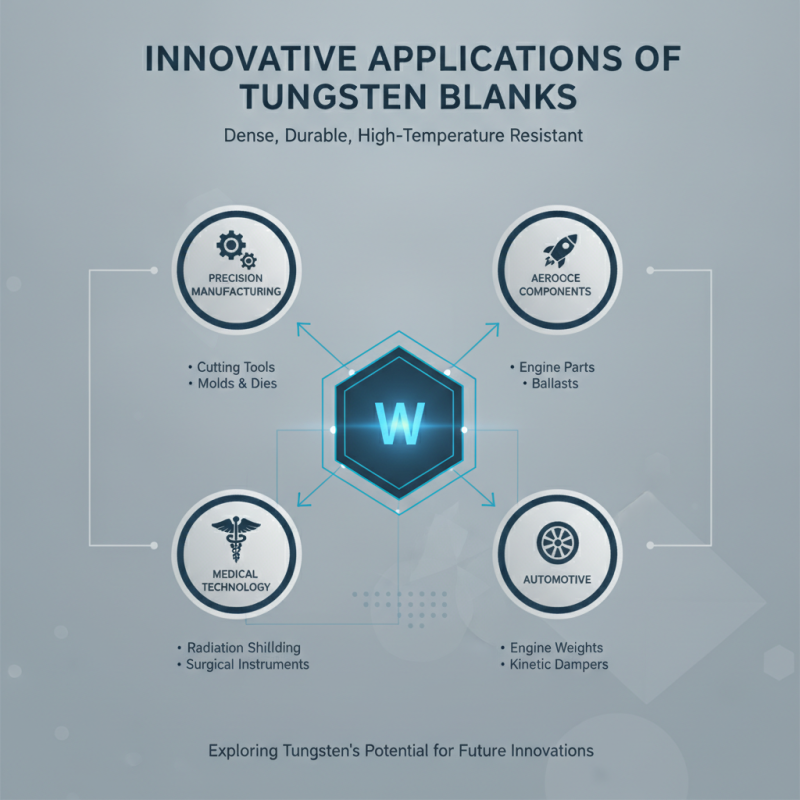
Innovative Applications of Tungsten Blanks Across Different Industries
Tungsten blanks are gaining traction across various industries due to their unique properties. These blanks are dense, durable, and resistant to high temperatures. Their applications range from manufacturing precision tools to aerospace components. Fields like medical technology and automotive are exploring tungsten's potential.
In the medical sector, tungsten blanks are utilized for radiation shielding. This is crucial for protecting healthcare workers during procedures. Moreover, the automotive industry benefits from tungsten's strength in producing wear-resistant parts. However, challenges remain in processing and recycling these materials. The production techniques need further refinement for better efficiency and sustainability.
Additionally, the need for innovation in tungsten applications is evident. Developing smarter manufacturing processes could enhance performance and reduce waste. Companies may face obstacles in balancing production costs with high-quality standards. Embracing research and collaboration is essential for advancing tungsten blank technology and its applications.
Market Analysis: Key Players and Competitive Landscape in 2026
The tungsten blank market in 2026 is poised for significant transformation. Key players are investing heavily in innovations that streamline production. This includes advanced manufacturing techniques that reduce waste and energy consumption. Efficiency is becoming a priority. Companies are exploring ways to enhance product sustainability, aligning with global trends.
Competitive dynamics also reveal shifts in market leadership. New entrants are challenging established players, introducing fresh ideas and technologies. Many companies are focusing on diversification. They are not just producing traditional tungsten blanks. Some are venturing into specialized segments, like high-performance applications. However, the fast pace of innovation presents challenges. Companies must adapt quickly or risk falling behind.
Regulatory landscapes are evolving, impacting operations. Companies must navigate these complexities while maintaining quality. The emphasis on strength and reliability continues to shape product development. Stakeholders must stay informed about industry trends. Understanding these dynamics will be essential in this competitive space, where adaptability is key.
2026 Top Tungsten Blank Trends and Innovations Are You Ready?
| Trend/Innovation |
Impact on Market |
Market Share (%) |
Growth Rate (%) |
| Advanced Coating Technologies |
Enhancing durability and performance |
25 |
15 |
| Customization Options |
Tailored solutions for niche applications |
30 |
20 |
| Sustainability Practices |
Eco-friendly manufacturing processes |
20 |
10 |
| 3D Printing Technology |
Innovative production methods |
15 |
25 |
| Smart Materials Integration |
Enhanced functionality through technology |
10 |
30 |
Future Challenges and Opportunities in Tungsten Blank Development
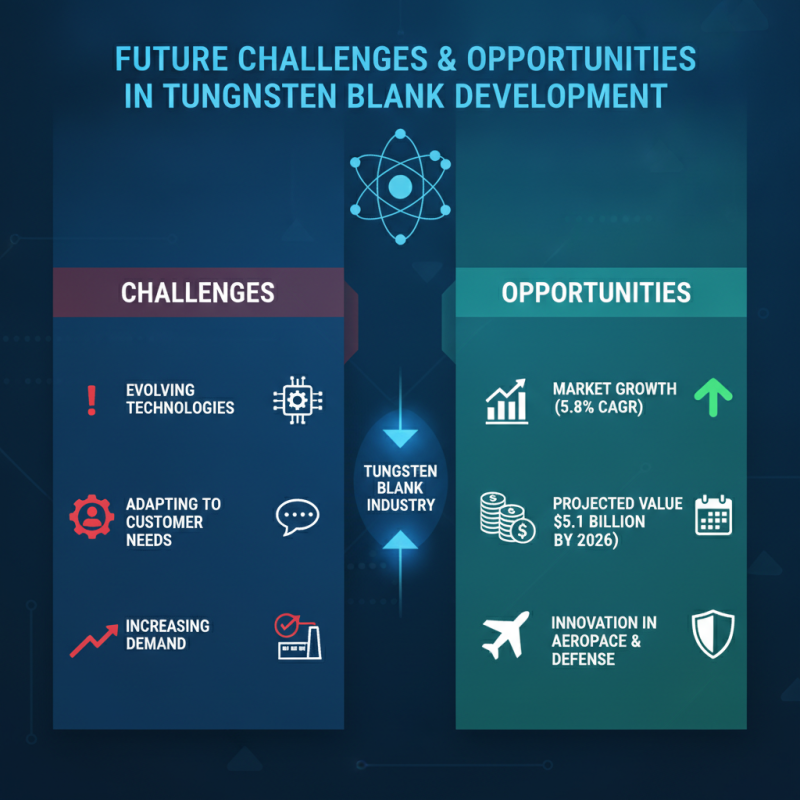
The tungsten blank industry faces both challenges and opportunities in its development. As demand escalates, manufacturers must adapt to evolving technologies and customer needs. The global tungsten market is projected to grow at a CAGR of 5.8%, reaching a value of $5.1 billion by 2026. This growth indicates a significant need for innovative tungsten blanks in sectors such as aerospace and defense.
New techniques in tungsten processing are emerging. Advanced manufacturing methods, including additive technologies, are gaining traction. These methods can optimize material usage and reduce waste. However, challenges remain. The complexities of refining tungsten and the environmental impact of mining processes are concerns that need addressing. Industry reports highlight that up to 70% of companies may be lagging in sustainability initiatives.
As the industry progresses, finding a balance between innovation and environmental responsibility becomes crucial. Stakeholders must consider both economic pressures and ecological impacts. The ability to develop more efficient tungsten blanks, while adhering to sustainable practices, presents a unique opportunity. This evolution requires collaboration among researchers, manufacturers, and regulatory bodies.