How to Choose the Right Tungsten Blank for Your Project?
Choosing the right Tungsten Blank begins with the working conditions, not the product label. Temperature, mechanical load, electrical contact, and machining method all influence the final choice. A blank for a furnace component may require exceptional thermal stability. A blank for a precision electrode may demand tighter dimensions and cleaner edges. The difference can be small on paper, yet significant in service.
Dr. S. K. Sikka, a recognized researcher in tungsten materials and powder metallurgy, stated, “Processing determines performance.” This principle deserves attention. Tungsten is dense, hard, and resistant to extreme heat, but it is not automatically suitable for every application. Manufacturing route, purity, grain size, porosity, and residual stress can change its behavior. A carefully selected grade may still fail if the blank is poorly processed or incorrectly machined.
Look closely.
Before ordering, define the finished shape, allowable material loss, operating temperature, and expected load. Check whether you need pure tungsten, a heavy alloy, or a specialized composite. Review certificates for chemical composition, density, dimensions, and inspection results. If the blank will face repeated heating, ask about recrystallization resistance. If machining is unavoidable, confirm the supplier’s recommended tools and cutting conditions.
A neat specification sheet can still mislead. Dimensions may be correct, while internal defects remain undiscovered. Cost also deserves careful reflection; the cheapest blank may create more scrap, tool wear, and downtime. A practical decision combines laboratory data with real production experience. When uncertainty remains, test a small sample before committing to a full batch.
Define Tungsten Blank Types and Their Common Uses
Choosing the right tungsten blank starts with its composition, shape, and intended machining process. Pure tungsten blanks are available as rods, plates, discs, and custom blocks. They suit high-temperature furnace parts, electrical contacts, and vacuum components. Their melting point is about 3,422°C, but they are brittle at room temperature. That detail is easy to overlook.
Tungsten heavy-alloy blanks usually combine tungsten with nickel, iron, or copper. Their density commonly reaches 17–19 g/cm³, making them useful for counterweights, vibration-control parts, and radiation-shielding components. The International Tungsten Industry Association identifies hardmetals as tungsten’s largest application area. For cutting tools, choose cemented tungsten-carbide blanks rather than pure tungsten. They offer much higher wear resistance.
Shape also affects cost and performance. A ground rod may support precision electrodes, while a rolled plate suits furnace fixtures or shielding panels. Near-net-shape blanks can reduce machining waste, but they may limit dimensional correction later. According to the USGS Mineral Commodity Summaries 2024, global tungsten mine production reached approximately 84,000 metric tons in 2023. Supply remains concentrated, so material traceability and verified certificates matter. A blank can look correct and still fail through impurities, poor grain structure, or unsuitable density. I would review the drawing, operating temperature, load, surface finish, and cutting method before ordering. Sometimes, the cheapest blank becomes the most expensive mistake.
How to Choose the Right Tungsten Blank for Your Project?
Define tungsten blank types and their common uses by considering the required shape, mass, heat resistance, electrical performance, and machining method.
Tungsten Blank Types and Common Uses
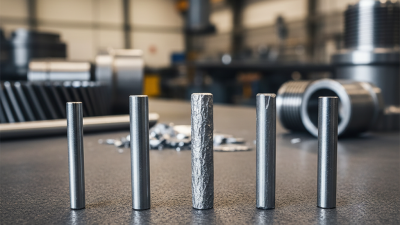
- Rod: Electrodes, heating elements, pins, and high-temperature supports.
- Sheet and Plate: Heat shields, furnace components, radiation shielding, and structural parts.
- Disc: Counterweights, sputtering targets, electrical contacts, and precision components.
- Block: Machined tooling, radiation shielding, ballast, and high-density components.
- Tube: Furnace parts, protective sleeves, and high-temperature processing equipment.
Density Comparison for Material Selection
Tungsten has a density of approximately 19.25 g/cm³, making it substantially denser than common engineering metals. This makes tungsten blanks suitable when compact size, high mass, wear resistance, and high-temperature capability are important.
Match Tungsten Properties to Your Project Requirements
Choosing a tungsten blank starts with your project requirements, not its weight alone. Tungsten offers exceptional density, high-temperature strength, and a very high melting point. These properties suit counterweights, furnace components, radiation-shielding parts, and precision tools. However, the best blank depends on the working environment.
For high heat, examine recrystallization resistance and dimensional stability. A component near 1,000°C may need a grade designed for better strength retention. For electrical contacts, check conductivity, arc resistance, and surface condition. For vibration control, density matters, but so do shape and balance. Tungsten alloys can improve machinability or impact performance, although they may change thermal behavior. Measure twice.
Manufacturing limits deserve equal attention. Tungsten is hard and brittle at room temperature, so thin sections and sharp internal corners require careful planning. I have seen drawings specify an impressive density while ignoring drilling difficulty. That mistake can increase tool wear and production time. Review blank dimensions, tolerances, porosity, grain structure, and inspection records before ordering. Ask for composition data and traceability documents. Confirm that the material meets the relevant technical standard for your application. A trial cut can reveal more than a catalog description, especially when surface finish matters. Even experienced engineers should revisit the selection after testing, because heat, stress, and machining forces rarely behave exactly as predicted.
Evaluate Purity, Density, Surface Finish, and Machinability
How to Choose the Right Tungsten Blank for Your Project?
Purity should match the working environment, not simply the purchasing specification. Higher purity can reduce contamination during thermal, electrical, or vacuum applications. However, trace elements may improve strength or machining behavior. Review the certificate, then verify critical lots with independent testing when failure costs are high. Density tells only part. A tungsten blank near its theoretical density of 19.25 g/cm³ usually indicates good consolidation, but pores may remain hidden. Measure it, and compare the result with dimensional weight calculations.
Surface finish affects more than appearance. Look for grinding marks, pits, edge chipping, and discoloration under bright angled light. A polished face is not automatically a better blank. Subsurface cracks can survive polishing and appear during cutting or thermal cycling. Ask for roughness data when sealing, electrical contact, or close tolerances matter. Surface requirements should be linked to the finished part, not copied from a general catalog.
Machinability deserves an honest assessment. Tungsten is hard and brittle, so aggressive conventional cutting can create cracks or premature tool wear. Fine-grain material may respond more consistently, while electrical discharge machining or diamond tooling can reduce mechanical damage. Confirm the recommended cutting speed, coolant method, and allowance for final grinding. A blank that machines well in one workshop may behave differently elsewhere. Tool condition, fixturing, and operator technique still matter. That overlooked detail often changes the real project cost.
Compare Suppliers, Quality Standards, and Total Project Cost
Choosing the right tungsten blank begins with comparing suppliers beyond their quoted price. Ask for measured purity, density, grain structure, dimensional tolerance, and lot traceability. A reliable supplier should provide inspection records and clear quality standards, such as applicable ASTM or ISO requirements. Request sample data before approving a full production order. Small differences matter.
During a previous machining project, I compared two blanks with similar dimensions. One had a lower purchase price, but its surface contained inconsistent areas. Cutting tools wore faster, and additional inspection delayed production. The cheaper option became more expensive. That mistake changed my supplier checklist. I now review packaging, delivery history, technical support, and replacement terms. Experience helps, but assumptions still cause problems.
Calculate the total project cost carefully. Include material price, freight, import charges, machining time, tooling wear, inspection, scrap, and possible rework. A blank with a slightly higher price may reduce waste through tighter tolerances. Ask suppliers how they control flatness, diameter, and surface condition after processing. Confirm whether tolerances are guaranteed or merely typical values. Get every important detail in writing. Do not rely on vague promises.
Leave room for uncertainty. Test a small batch when the application is sensitive to heat, wear, or dimensional stability. Record cutting performance and final measurements. Then compare real production results, not only supplier spreadsheets.