Top 5 Tungsten Steel Inserts You Need for Your Business?
In today's competitive manufacturing environment, the importance of quality tools cannot be overstated. Tungsten Steel Inserts are essential for improving the durability and performance of cutting tools. According to a report by the Global Tungsten Market, the demand for tungsten products is forecasted to grow by 5% annually. This uptick underscores the critical role that Tungsten Steel Inserts play, especially in high-performance applications.
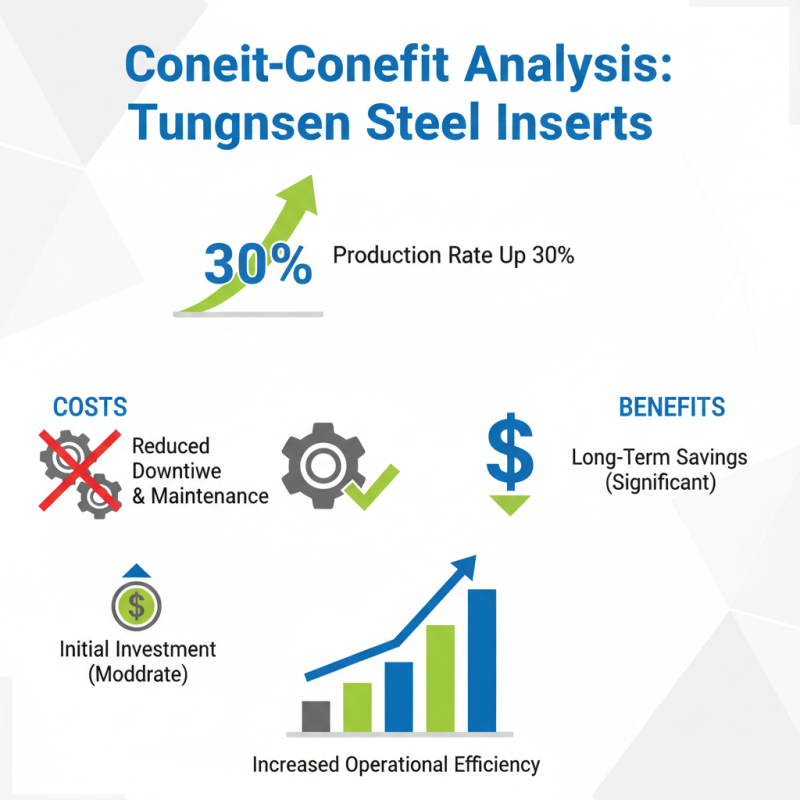
The advantages of Tungsten Steel Inserts are well-documented. They provide significantly better wear resistance and extended tool life compared to standard materials. Businesses using these inserts can reduce downtime and improve production efficiency. The financial impact can be substantial, with some companies reporting a 20% increase in output after switching to tungsten-based tools.
However, not all Tungsten Steel Inserts are created equal. With numerous options available, making an informed choice is vital. The market is filled with products, but only a few stand out. Understanding the specific needs of your operations can help avoid costly mistakes. Investing time in research may yield better, more reliable solutions for your business.
Understanding Tungsten Steel Inserts and Their Importance
Tungsten steel inserts play a crucial role in various industries, offering durability and superior performance. These components are essential for machining and manufacturing processes that require precision. Statistics show that businesses using tungsten inserts can achieve up to 50% longer tool life compared to traditional materials. This increase in lifespan translates to higher productivity and reduced downtime.
In recent years, the demand for tungsten steel inserts has surged. A report from the Global Tungsten Market indicates a projected growth rate of 4.5% annually. This uptick reflects the material's growing importance in sectors like automotive and aerospace, where precision is paramount. Tungsten inserts resist wear and can withstand high temperatures, making them ideal for challenging environments.
However, the adoption of tungsten inserts is not without challenges. Some companies face difficulties in integrating tungsten into their existing systems. There is also a need for continuous evaluation of material costs and performance. Balancing quality with budget constraints remains a complex task. Understanding these dynamics can empower businesses to make informed decisions regarding their tooling strategies.
Factors to Consider When Selecting Tungsten Steel Inserts
When selecting tungsten steel inserts, several factors come into play. The hardness of the tungsten steel is crucial. Reports show that tungsten can reach hardness levels up to 9 on the Mohs scale. This hardness ensures durability and wear resistance. It's vital for applications that require long-lasting products.
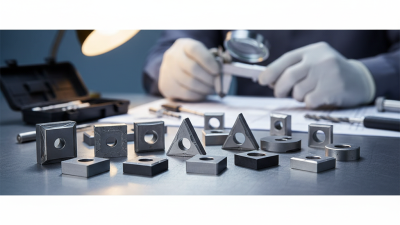
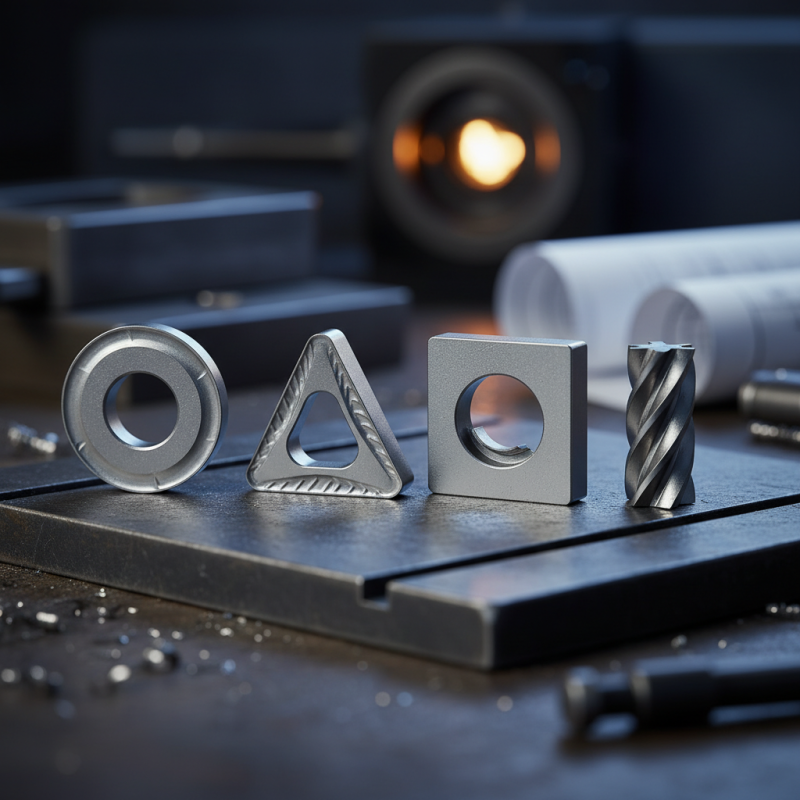
Another factor is the insert geometry. The shape impacts cutting performance and tool life. According to industry studies, proper geometry can improve cutting efficiency by over 20%. Businesses must consider their specific machining applications before selecting an insert shape. The choice of insert design can directly influence productivity.
Cost is also an important consideration. High-quality tungsten steel inserts typically carry a premium price. However, investing in reliable materials often leads to lower long-term costs due to reduced replacement frequency. Balancing initial investment with potential savings is essential for business strategy. These factors collectively contribute to making an informed decision for optimal performance.
Top 5 Tungsten Steel Inserts for Different Industries
Tungsten steel inserts are crucial in various industries. Their durability and resistance to wear make them ideal for many applications. In manufacturing, these inserts enhance the lifespan of cutting tools. They can withstand extreme conditions, which is essential for maintaining productivity.
In the automotive industry, tungsten steel inserts improve performance. They are used in engine parts where precision is critical. These inserts resist corrosion and high temperatures, ensuring reliability. However, selecting the right insert is sometimes challenging. Costs can vary widely, and some may not deliver the expected performance.
In construction, the demand for robust materials is high. Tungsten steel inserts meet these needs perfectly. They are employed in drilling operations, offering superior results. Yet, companies must evaluate their specific requirements. Not all inserts perform similarly, and misalignment can lead to negative outcomes. Careful consideration is essential for the best results.
Top 5 Tungsten Steel Inserts for Different Industries
Comparative Performance of Leading Tungsten Steel Inserts
When evaluating tungsten steel inserts, performance is critical. A recent industry report noted that tungsten carbide inserts can maintain their hardness at high temperatures, outperforming other materials. They are often preferred for machining purposes due to their impressive wear resistance and durability. Studies show they can last up to five times longer than conventional steel inserts, making them a sound investment for businesses.
One key aspect of performance lies in the coating technology used. Inserts with advanced coatings can reduce friction and extend tool life. A benchmark study revealed that coated tungsten steel inserts improved cutting efficiency by 30%. This characteristic is vital for maximizing productivity while reducing costs.
Tips: Regularly assess the performance of your inserts. Look for signs of wear and tear early. Keeping track of their life cycle helps in budgeting for replacements.
Selecting the right tungsten steel insert can be challenging. Consider factors like material compatibility and operational conditions. Industry feedback indicates that not all inserts perform equally under stress. User experiences often reveal that adjustments in settings can lead to significant performance gains.