What Are the Top Types of Tungsten Drill Bits?
Tungsten drill bits are not one tool category. The name may describe solid tungsten carbide, carbide-tipped steel, or specialized bits designed for particular materials. Choosing well means matching the bit to the work: a masonry bit faces different heat, impact, and wear than a small precision bit cutting metal.
The USGS Mineral Commodity Summaries 2025 estimates global tungsten mine production at 81,000 metric tons in 2024, underscoring the metal’s continuing industrial importance. But material supply alone does not tell buyers which bit will perform best. Geometry, carbide grade, coating, shank design, and operating speed all matter. Small details count. A chipped cutting edge can leave a rough hole, while excessive heat can shorten tool life. Manufacturer specifications and application testing therefore deserve more weight than broad claims about hardness.
This guide compares the leading types, including carbide-tipped masonry bits, solid-carbide bits, twist bits, and rotary-hammer designs. It explains where each works, what materials it suits, and which trade-offs to check before purchase. Drilling Tungsten also requires care with terminology: tungsten carbide is a compound, not pure tungsten, and products marketed under similar names may differ substantially. There is no universal winner. The practical choice depends on the material, machine, hole size, and expected workload—and, sometimes, the best answer is a different bit altogether.
Understanding Tungsten Drill Bits and Their Materials
What Are the Top Types of Tungsten Drill Bits?
Understanding Tungsten Drill Bits and Their Materials
“Tungsten drill bit” usually refers to a tungsten-carbide bit, not a tool made from pure tungsten. The cutting material combines hard tungsten-carbide grains with a metal binder, often cobalt. This structure resists wear and keeps a sharp edge under heat. The exact blend and bit design still matter.
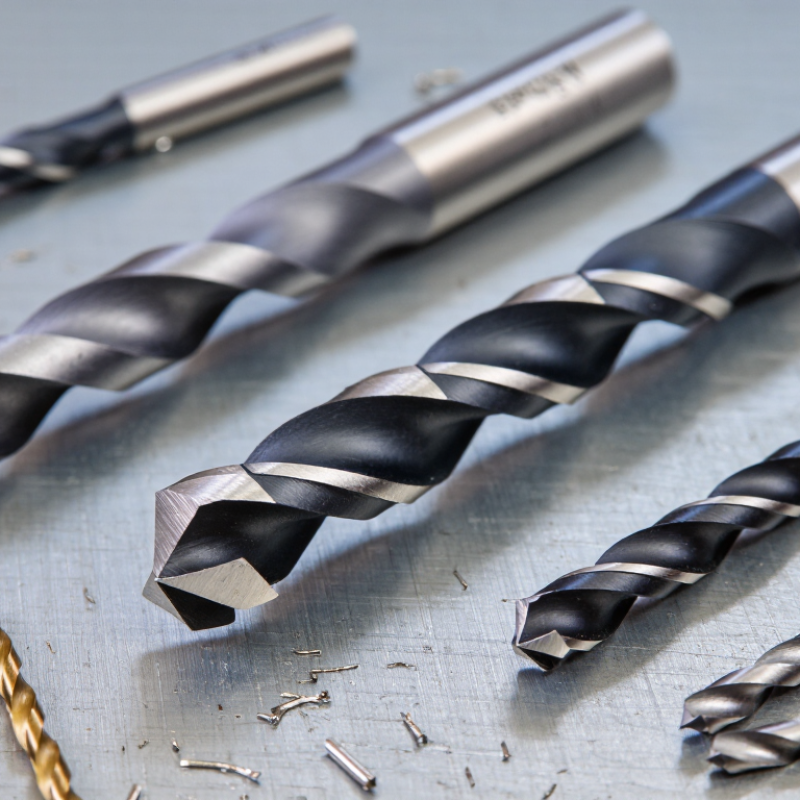
Two common constructions are carbide-tipped bits and solid-carbide bits. A carbide-tipped masonry bit has a steel body with a small carbide cutting tip, often shaped to break into brick or concrete. The steel shank handles the twisting force. Solid-carbide bits are made throughout from carbide and suit precise machining when the setup is rigid. They can cut hard materials, but side pressure or a sudden bump may chip them. Handle with care.
The material is hard, but not indestructible. A carbide bit can last well in the right application, yet it may fail quickly if used at the wrong speed or pushed at an angle. Not always obvious. Labels can be imprecise, too: check whether a bit is tipped or solid carbide, and confirm it matches the material being drilled. For example, masonry, metal, and tile call for different cutting geometries; one bit is rarely a good choice for all three.
Solid Tungsten Carbide Drill Bits
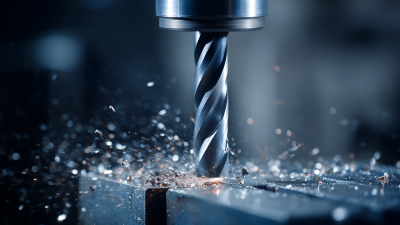
Solid tungsten carbide drill bits are made throughout from cemented carbide, rather than having only a carbide tip attached to a steel body. Their hardness helps them retain a cutting edge when drilling abrasive materials and some hardened steels or cast irons. The right bit still depends on the material, hole size, and cutting geometry. They are very stiff. In a rigid, well-aligned setup, that stiffness can help produce accurate holes. But carbide is brittle, so side pressure, a wobbling spindle, or sudden impact can chip the cutting edges.
Clamp the work securely and use a stable drill press or CNC machine when possible. Keep the feed steady; forcing the bit can cause damage rather than speed up the job. For deeper holes, a peck cycle may help clear chips, depending on the material and bit design. Follow suitable speed and feed guidance, and use coolant or air only as the operation requires. Listen for changes in cutting sound. Small chips matter. Solid carbide often costs more than high-speed steel and may be a poor fit for rough, hand-held drilling. It is easy to blame the bit too soon; the setup may be the real problem.
Tungsten Carbide-Tipped Drill Bits
Tungsten carbide-tipped drill bits combine a steel body with a hard carbide tip, usually brazed onto the end. The tip helps cut masonry and concrete, while the flutes carry dust away from the hole. In practical use, steady pressure and a suitable hammer-drill setting matter; forcing the bit can overheat the tip or damage its joint. The bit can feel tough, but it is not indestructible.
Material supply also matters. The U.S. Geological Survey’s Mineral Commodity Summaries 2024 estimated global tungsten mine production at about 78,000 metric tons in 2023, with China accounting for roughly 63,000 metric tons. These figures describe raw material production, not drill-bit output or performance. Carbide tips suit demanding, abrasive work, yet they may chip if dropped or used at an angle. That trade-off is easy to overlook. For clean holes, match the bit diameter to the anchor, keep the tool aligned, and clear accumulated dust regularly. On tile or delicate surfaces, a carbide-tipped masonry bit may be the wrong choice; material and bit design both deserve a second look.
Tungsten Bits for Masonry, Tile, and Glass
Tungsten drill bits are often made with tungsten carbide tips, chosen for their hardness and wear resistance. For brick, concrete, and block, a masonry bit usually has a blunt carbide cutting edge. Its flutes carry dust out of the hole. Use a drill with hammer action only on suitable masonry, not on fragile surfaces. Keep the bit straight. A slipping tip can leave a rough mark before the hole even begins.
Tile and glass need a different touch. A spear-point carbide bit can start cleanly on many ceramic tiles and some glass, but it is not suitable for every material. Turn hammer mode off, use low speed, and apply light, steady pressure. A small piece of masking tape may help the tip stay in place. Keep the cutting area cool with water when the tool and workpiece allow it. Too much force can crack a tile, even when the bit is new.
Know the surface before drilling. Porcelain is harder than many glazed ceramic tiles, so it may need a specialized tile bit. Tempered glass should not be drilled; it can shatter suddenly. Check for pipes or wiring behind masonry, too. It is easy to blame the bit when a hole chips, but speed, support, and pressure often matter just as much. A test on a spare tile can reveal a lot.
Choosing a Tungsten Drill Bit for the Material and Task
What Are the Top Types of Tungsten Drill Bits?
Choosing a Tungsten Drill Bit for the Material and Task
Choosing a tungsten carbide drill bit starts with the surface, not the tool’s name. For brick or concrete, a carbide-tipped masonry bit handles abrasive material and can be used with a hammer drill when the bit is designed for impact. For glazed tile, use a suitable spear-point bit at low speed, without hammer action. Porcelain is harder. A diamond-tipped bit is often the better choice.
For steel, solid carbide bits suit rigid machines and controlled feeds, especially on hard alloys. They are brittle, though. A handheld drill that wobbles can chip the cutting edge, so a cobalt or high-speed-steel bit may be more practical for ordinary repairs. For wood or plastic, carbide is rarely necessary; sharp, properly shaped conventional bits usually cut cleanly.
Match the bit diameter and shank to the drill, then check the required hole depth. Small details matter. Excessive pressure can overheat the tip, while running too slowly may also cause heat buildup. Use steady pressure and follow the bit maker’s speed guidance. If the material is uncertain, test an inconspicuous spot first. It may seem cautious, but replacing a chipped bit is no fun.
What Are the Top Types of Tungsten Drill Bits?
Choose a bit by matching its tip design to the material and task.
How to read: Ratings are a qualitative selection guide, not measured test results. Higher scores indicate a more typical match. Use a masonry bit for concrete and brick, a spear-point bit for tile or glass, and metalworking carbide bits for suitable metals. Check the bit maker’s instructions and use the recommended speed and cooling.