Why Choose Tungsten Carbide Brazing Rods?
A worn cutting edge can turn a clean pass into a rough, uneven one. In many repair and toolmaking applications, brazing helps attach a tungsten carbide tip to a steel body. The joint must handle heat, pressure, and repeated contact with the workpiece. That is where a Tungsten Carbide Brazing Rod may be useful. Its purpose is not simply to fill a gap; the filler metal must also suit the materials and the planned service conditions.
Choosing a rod involves more than comparing labels. Base-metal compatibility, joint clearance, flux requirements, and heating method can all affect the result. A bright, well-fitted carbide tip is a good start, but it does not guarantee a sound bond. Contamination, uneven heating, or poor alignment may still cause trouble. Small details matter.
This guide explores why manufacturers and repair technicians consider tungsten carbide brazing rods, how they support carbide-to-steel assemblies, and what to check before selecting one. Product specifications and supplier guidance deserve careful review, since rod formulations and recommended procedures can differ. Actual performance also depends on preparation and operator technique. There is no universal shortcut. Even experienced users may need to reassess a choice when the tool geometry, heat exposure, or working material changes. The right rod can support a durable joint, but it cannot compensate for every design or process problem.
What Tungsten Carbide Brazing Rods Are Made Of
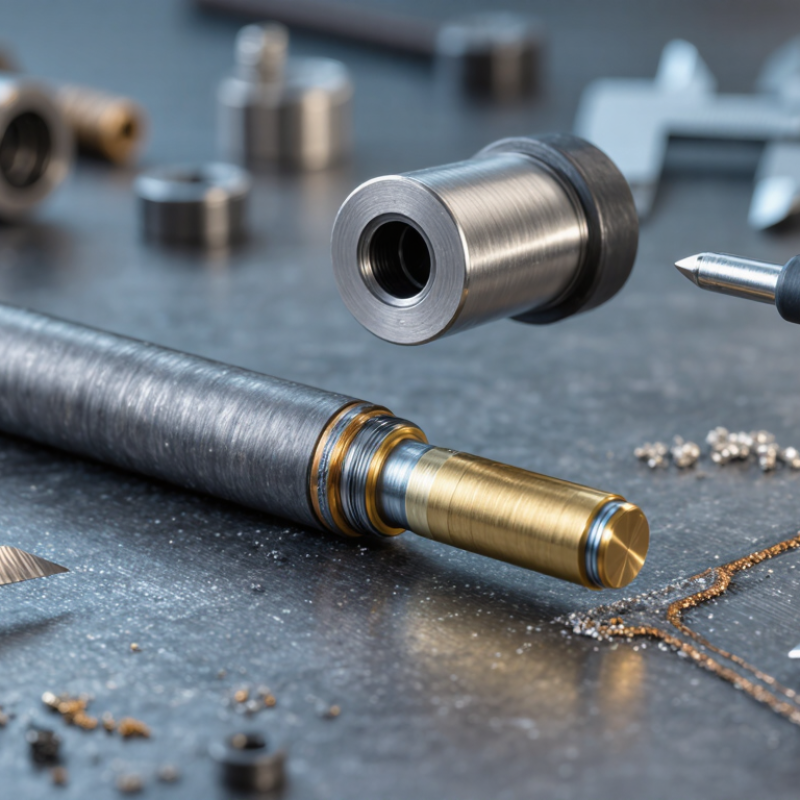
Tungsten carbide brazing rods are typically composite materials, not bars of pure tungsten carbide. They contain hard tungsten carbide grains held within a metal alloy matrix. The carbide provides wear resistance, while the matrix helps bond the grains to a steel surface during brazing. That distinction matters. A rod’s exact recipe varies with its intended use and operating conditions.
The binding alloy may contain metals such as nickel, copper, zinc, or silver, but no single mixture applies to every rod. Some products also have a flux coating, which helps clean the joint and encourages molten alloy to flow. In practice, the carbide particles may look like dark, sharp grains against a brighter metallic binder. Their size and distribution affect the finished layer’s texture and performance. Composition matters.
A coarser grain can suit a different wear pattern than a finer one, so choosing by the word “carbide” alone is not enough. Check the material specification and follow the recommended brazing temperature. Excessive heat can damage the bond or alter the carbide structure. Even with careful control, the final surface may not be perfectly uniform. That is worth inspecting.
How Tungsten Carbide Brazing Rods Bond to Metal
A tungsten carbide brazing rod usually contains hard carbide grains held in a metallic filler. During brazing, the filler melts while the carbide and steel parts remain solid. The molten alloy wets clean surfaces and flows into a narrow joint by capillary action. Small gaps matter. A gap that is too wide can leave a weak, uneven bond.
Surface preparation is practical, not glamorous. Remove oil, rust, and loose scale, then use a suitable flux or controlled atmosphere to limit oxidation. Heat the joint evenly so the filler flows across the interface, rather than pointing the flame directly at one spot. That assumption can be costly: overheating may damage the carbide or alter the steel. After the filler solidifies, the bond holds through close contact and mechanical support from the joint. Because carbide and steel expand differently as they cool, joint shape and cooling rate deserve attention. The right filler and procedure depend on the materials and service conditions; a small test joint can reveal problems before production.
Why Choose Tungsten Carbide Brazing Rods?
How Tungsten Carbide Brazing Rods Bond to Metal
During brazing, the filler alloy melts and flows across the prepared joint, then solidifies to hold the tungsten carbide in place. The base metal remains solid. The ranges below are representative; exact temperatures depend on the alloy grade and composition. Filler selection must suit the materials being joined.
Key Properties That Make Them Effective
Tungsten carbide brazing rods combine hard carbide particles with a brazing alloy that bonds them to a metal surface. The carbide resists abrasion from sand, grit, and other rough materials. The surrounding alloy holds the particles in place, helping form a protective layer on tools and components. On an earthmoving edge, for example, this layer can slow wear where soil repeatedly scrapes the steel. Results depend on the rod’s composition and the application.
Not magic.
Heat control matters. Too much heat can affect the base metal or produce an uneven deposit, while poor surface preparation can weaken the bond. Operators should clean the work area and follow the rod manufacturer’s guidance for compatible materials and brazing conditions.
Still, hardness is not everything. A carbide-rich layer may be less suited to severe impact than to steady abrasion, and a cracked deposit can require rework. Choosing a rod means considering the wear pattern, the part’s operating conditions, and the repair process—not hardness alone. Testing on a representative area can reveal practical issues before wider use.
Common Applications Across Industries
Why Choose Tungsten Carbide Brazing Rods?
Common Applications Across Industries
Tungsten carbide brazing rods suit parts exposed to repeated abrasion and impact. USGS’s Mineral Commodity Summaries 2024 estimated 78,000 metric tons of mined tungsten worldwide in 2023, including about 63,000 tonnes from China. The European Commission’s 2023 critical raw materials study identifies cemented carbides as tungsten’s leading application. These figures reflect the material’s industrial importance, not a guarantee that every wear problem needs carbide.
In mining and construction, rods can add carbide-rich wear surfaces to drill components, crusher teeth, and excavator edges. On farms, operators use them to protect tillage tools that scrape through abrasive soil. In workshops, they can reinforce scraper blades and selected cutting or conveying parts. The practical detail matters: a small, well-placed deposit may protect a contact edge without replacing the whole steel component.
Not always. Carbide can chip under sharp impact, and poor surface preparation can weaken the braze. Fit the rod and heating method to the base metal, wear pattern, and service temperature. A repair that lasts in dry soil may fail around slurry or repeated shock. Test a small area when conditions are uncertain.
Factors to Consider When Choosing a Rod
Why Choose Tungsten Carbide Brazing Rods?
Factors to Consider When Choosing a Rod
Choose a rod for the job, not just its advertised hardness. Match carbide particle size and concentration to the wear pattern: fine particles suit abrasion, while larger particles may resist impact better. Check the rod’s binder and brazing alloy against the base metal, operating temperature, and corrosion exposure. A mismatch can weaken the bond or encourage cracking. Fit matters, too. A rod that is too large can overheat a narrow repair area.
Application details should guide rod diameter and heat input. Thin edges need controlled heating; thick components may require broader, slower preheating. USGS Mineral Commodity Summaries 2025 estimates global tungsten mine production at 81,000 metric tons in 2024. That figure reflects a large supply chain, not consistent rod quality, so request composition and batch documentation. Compare those details, and test a sample on representative material when failure would be costly. A small trial can reveal poor wetting that a product sheet misses.
Tips: Clean the joint until bright, then use only the flux recommended for the filler alloy. Keep the gap consistent. One overlooked detail: uneven torch movement can leave a brittle, poorly bonded edge. After brazing, inspect the joint and review the result; the first rod choice may need adjustment.