2026 Best Tungsten Blank Options for Global Buyers?
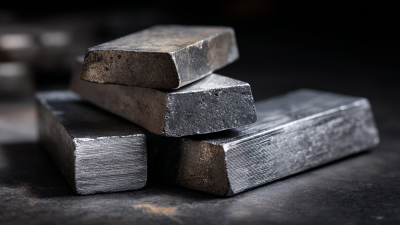
The demand for Tungsten Blank materials is increasing globally due to their unique properties. According to the "Global Tungsten Market Report 2023," the market is expected to grow by over 7% annually through 2026. This growth is driven by sectors like aerospace, electronics, and automotive. Tungsten Blanks are known for their high density, durability, and resistance to heat, making them essential in these industries.
Industry expert Dr. Emily Chen, a leading authority in metallurgy, emphasizes the significance of Tungsten Blanks: "Choosing the right Tungsten Blank can enhance product performance and longevity." Her insights reflect a trend among manufacturers prioritizing quality materials in production processes.
However, challenges exist in sourcing these materials. Many global buyers struggle with consistency and availability. Not all suppliers meet the required standards, which raises concerns about reliability. The industry must evolve to address these gaps. Addressing these issues is crucial for maintaining progress and meeting rising demand. As we explore the best options available, a critical evaluation of suppliers will be essential.

2026 Global Market Trends for Tungsten Blanks: An Overview
The tungsten blanks market is witnessing notable shifts in 2026. Recent studies show an increase in demand for tungsten materials across various industries. This surge is driven by the growing need for durable and heat-resistant components in manufacturing sectors.
According to the latest industry reports, the global tungsten blanks market is projected to reach $2.5 billion by 2026. The automotive and aerospace sectors are leading this growth. Companies within these industries require high-performance materials. However, sourcing quality tungsten can still be a challenge for businesses. Not all suppliers meet necessary standards, which can lead to variability in product performance.
Additionally, sustainability has become a hot topic. Many manufacturers are exploring eco-friendly practices. This shift is not without obstacles. The extraction and processing of tungsten often leave significant environmental footprints. Therefore, balancing demand for high-quality tungsten blanks with sustainable practices presents a complex dilemma for stakeholders. As the market evolves, embracing innovative approaches is essential for long-term viability.
2026 Best Tungsten Blank Options for Global Buyers
| Option |
Material Type |
Density (g/cm³) |
Melting Point (°C) |
Applications |
| Tungsten Alloy Blank A |
Tungsten-Copper |
16.5 |
3422 |
Aerospace, Military |
| Tungsten Alloy Blank B |
Tungsten-Nickel |
18.5 |
3422 |
Radiation Shielding |
| Tungsten Alloy Blank C |
Tungsten-Iron |
17.5 |
3400 |
Medical Radiation Therapy |
| Tungsten Alloy Blank D |
Tungsten-Molybdenum |
19.3 |
2620 |
High-Temperature Applications |
| Tungsten Alloy Blank E |
Tungsten-Palladium |
15.9 |
3150 |
Electronics, Aerospace |
Key Factors Influencing Tungsten Blank Quality and Performance
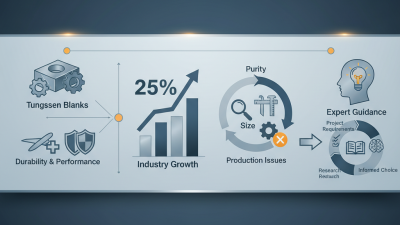
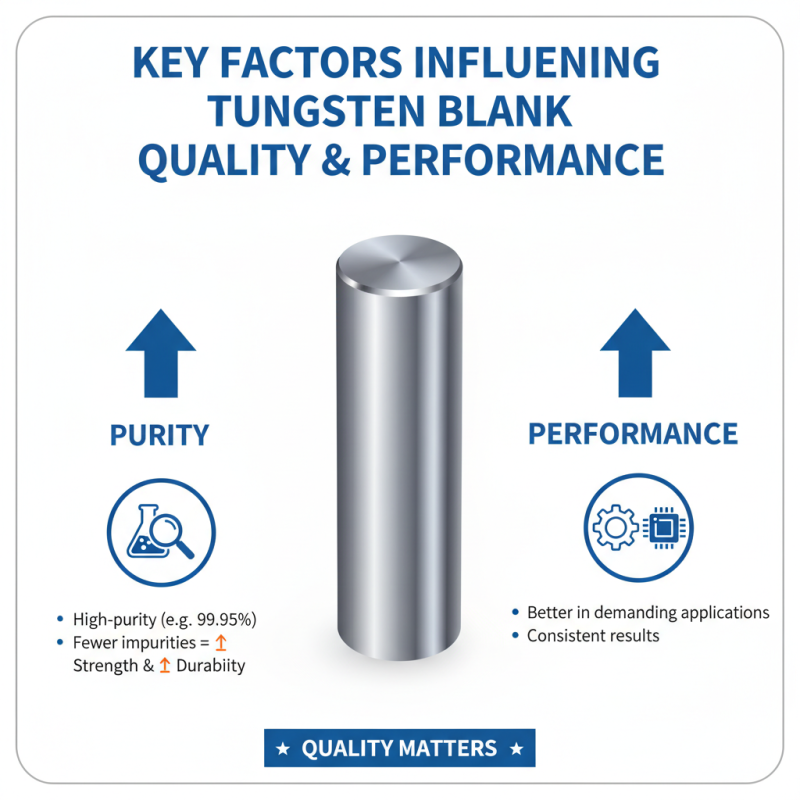
When considering tungsten blanks, quality and performance are essential. Several factors can significantly affect their properties. Purity is paramount; high-purity tungsten has fewer impurities, which enhances strength and durability. A sample with 99.95% purity performs better than lower grades in demanding applications.
The manufacturing process also plays a crucial role. Techniques like powder metallurgy or sintering can create denser tungsten blanks. Density contributes to better performance under pressure. Additionally, the grain structure affects toughness; finer grains generally lead to improved mechanical properties. However, achieving ideal grain size can be challenging.
Another vital aspect is surface finish. A smooth surface reduces friction and wear, prolonging the life of the tungsten blank. Discrepancies in surface treatment can lead to premature failure in usage. Buyers must evaluate these elements when selecting products. Each factor contributes to the overall effectiveness of tungsten blanks in practical applications. Understanding these nuances can aid in making informed procurement decisions. Ensuring a thorough inspection process is always essential for optimal performance.
Comparison of Leading Tungsten Blank Manufacturers Worldwide
When evaluating tungsten blank manufacturers, buyers face a multitude of choices. Each manufacturer presents unique advantages. Global markets require careful analysis. A few well-known factors drive these choices, like quality and cost.
Consider quality as the top priority. Examine the materials used. Not all tungsten is created equal. Some manufacturers may sacrifice quality for lower prices. It’s essential to invest time in research.
Tips: Look for certifications. A trustworthy manufacturer displays quality assurances. Also, check for client reviews. Honest feedback offers insights into a company's reliability.
Cost is another factor. Prices can vary significantly. However, a low price might signify hidden issues. Compare prices against the provided quality. Ensure you don’t compromise essential attributes for savings.
Tips: Request quotes from multiple suppliers. This practice assures competitive pricing. Pay attention to delivery times as well. Timeliness impacts project schedules.
Manufacturers also differ in their technical support. Some provide excellent assistance. Others may fall short. Quality support can be a game-changer in decision-making. Research how each company handles customer queries.
Cost Analysis of High-Quality Tungsten Blank Options in 2026
In 2026, the market for tungsten blanks is evolving rapidly, with an increasing number of options available. Buyers should analyze the cost associated with high-quality tungsten blanks to make informed decisions. The price of tungsten has historically been volatile due to supply chain issues and production costs, impacting various industries. These factors contribute to the overall pricing strategy, necessitating a detailed analysis.
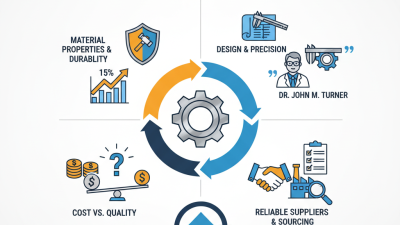
Purchasing high-quality tungsten blanks often involves examining various suppliers and their offerings. It’s essential to compare based on quality, price, and delivery reliability. Many buyers may find that the cheapest option is not always the best. Sometimes, higher initial costs lead to more durable products and lower maintenance expenses over time.
Quality assurance measures and certifications play a crucial role in determining reliability. Many companies offer transparent sourcing policies and testing protocols. However, this can require added investments. Buyers may reflect on their priorities—cost versus quality. Finding a balance can be challenging but necessary for long-term success. Ultimately, thorough research and careful consideration can lead to satisfactory purchases that meet expectations.
2026 Cost Analysis of High-Quality Tungsten Blanks
This chart illustrates the cost analysis of various high-quality tungsten blank options for global buyers in 2026. The cost is represented in USD per kilogram, providing an overview of the pricing landscape for tungsten products.
Sustainability and Recycling Practices in the Tungsten Blank Industry
The tungsten blank industry is increasingly focusing on sustainability and recycling. As demand for tungsten products grows, the need for eco-friendly practices becomes crucial. A recent industry report highlights that over 60% of tungsten is sourced through recycling efforts. This statistic shows a serious commitment to reducing the environmental impact of mining.
Recycling processes for tungsten involve reclaiming this valuable material from scrap sources. This reduces the need for new mining operations, which are often harmful to the environment. However, recycling efficiency varies significantly. Some reports suggest that up to 30% of recycled tungsten can be lost during processing. This indicates a need for improved techniques and better management of tungsten waste.
Despite strides in sustainability, challenges remain. The industry must tackle the high energy consumption associated with recycling processes. Current methods can be energy-intensive, calling for innovation. Additionally, educational programs are necessary to encourage proper recycling practices among users and manufacturers alike. The road to a more sustainable tungsten blank industry is complex, but the focus on recycling can lead to significant environmental benefits.